Methane/NMHC/THC Analyzer
Introduction
The Methane/NMHC/THC Analyzer provides precise, real-time measurement of methane (CH₄), non-methane hydrocarbons (NMHC), and total hydrocarbons (THC) for compliance and environmental stewardship. This instrument helps facilities track emissions that affect air quality and climate, enabling rapid response to excursions. Use this guide to understand how a Methane/NMHC/THC Analyzer works, key features, and best-practice deployment.
What Is Methane/NMHC/THC Analyzer?
A Methane/NMHC/THC analyzer detects and quantifies methane, non-methane hydrocarbons, and total hydrocarbons in ambient air or process emissions. Common techniques include flame ionization detection (FID) for THC/NMHC, gas chromatography (GC) for speciated CH₄ and NMHCs, and non-dispersive infrared (NDIR) for selective methane measurement—delivering continuous or interval-based data for regulatory reporting and process control.
Devices in This Category
FID-based total hydrocarbon (THC) analyzer
GC-FID Methane/NMHC analyzer with pre-separation
NDIR methane analyzer for continuous CH₄ monitoring
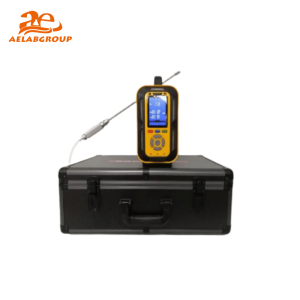
Portable Methane/NMHC/THC monitor (battery-powered)
Rack-mount CEM (Continuous Emissions Monitoring) system
Multi-stream analyzer with automatic calibration manifold
Technical Features and Specifications
FeatureDetails
Detection PrinciplesFID (THC/NMHC), GC-FID (speciation), NDIR (CH₄)
Detection Limitsppb to low ppm (model-dependent) for CH₄/NMHC/THC
Measurement RangeFrom sub-ppm up to thousands of ppm; auto-ranging options
Response TimeSeconds to minutes (real-time for FID/NDIR; GC cycle-based)
SamplingContinuous draw with filters/traps; heated lines for high-humidity or VOC-rich streams
Data & ConnectivityUSB/Ethernet/RS-485; cloud/BMS/SCADA integration; 21 CFR Part 11-ready logging
ComplianceSupports EPA/ISO methods, ambient and stack monitoring SOPs
Form FactorsPortable field units, benchtop analyzers, rack-mount CEMs
Benefits
High-accuracy measurement of CH₄, NMHC, and THC for compliance
Real-time or near real-time monitoring to capture emission spikes
Supports greenhouse gas mitigation and air-quality improvement
Flexible technologies for ambient, indoor, or industrial sources
Streamlined reporting with robust data logging and remote access
Applications and Tests
🔬 Molecular Biology
Facility air checks in labs using hydrocarbon solvents
Incubator/clean area background hydrocarbon screening
Support studies on gas-phase contamination of sensitive assays
🧪 Clinical Diagnostics
Hospital/ICU ambient hydrocarbon surveillance for IAQ
Pharmacy cleanroom monitoring to protect compounded products
HVAC performance checks near sterile preparation areas
🏭 Industrial & Food Testing
Refineries, petrochemical plants, and storage terminals emission tracking
Manufacturing process vents and fugitive leak detection
Food-packaging/printing operations using solvent-based inks
🌱 Environmental & Agricultural Labs
Ambient air monitoring for regulatory assessments
Landfill and biogas facility methane surveillance
Agricultural emissions research (enteric fermentation, manure management)
Methane/NMHC/THC Analyzer vs. General Gas Detector
AspectMethane/NMHC/THC AnalyzerGeneral Gas Detector
Target GasesCH₄, NMHC (speciated or summed), THCOften single gas or broad VOC indication
Accuracy & PrecisionHigh; ppb–ppm with method-specific selectivityModerate; limited for complex mixtures
Speed & ModeContinuous or interval (real-time alerts)Spot checks; may lack continuous logging
Regulatory UseSuitable for compliance reporting (EPA/ISO methods)Typically for screening/safety, not legal reporting
Cost & ComplexityHigher; calibration gases & maintenance neededLower; simpler operation
Expert Tips for Choosing the Right Methane/NMHC/THC Analyzer
Match detection principle to application: FID/GC-FID for THC/NMHC speciation; NDIR for dedicated methane channels.
Specify detection limits and ranges against regulatory thresholds relevant to your site.
Confirm data integrity features (audit trails, user access control, 21 CFR Part 11 readiness).
Plan sampling: heated lines, moisture control, and particulate filtration to prevent interference.
Check serviceability: easy access to filters, jets, hydrogen supply (for FID), and calibration ports.
Maintenance Best Practices
Calibrate on a routine schedule (e.g., weekly–monthly) with certified span/zero gases.
Clean/replace inlet filters and traps; verify leak-tight fittings and flow rates.
Service FID components: maintain hydrogen/air supplies, clean jets, check flame stability.
Validate GC timing and column health; replace columns or liners as needed.
Back up data regularly and review trends to identify drift or sensor aging early.
FAQ
Q: What is the difference between NMHC and THC?
A: THC is the total hydrocarbons (methane + non-methane), while NMHC excludes methane and represents only the non-methane fraction.
Q: Which technology should I choose—FID, GC, or NDIR?
A: Use FID for sensitive THC/NMHC totals, GC-FID for speciated analyses, and NDIR for selective, continuous methane channels.
Q: Are these analyzers suitable for continuous emissions monitoring?
A: Yes. Rack-mount CEM configurations provide continuous data, alarms, and integrations for regulatory reporting.
Q: How often should I calibrate?
A: Frequency depends on usage and requirements; many programs calibrate weekly to monthly and verify daily with zeros/spans.