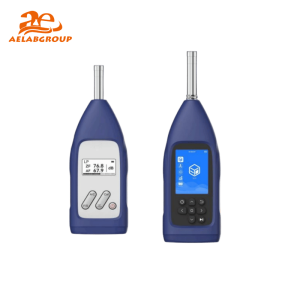
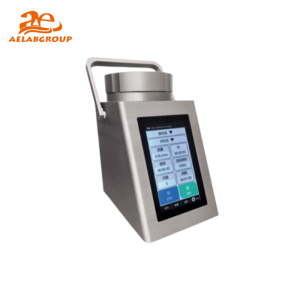
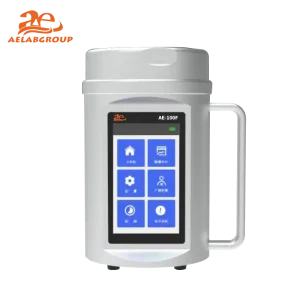
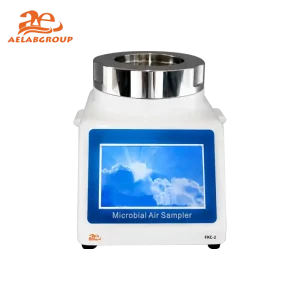
AELAB | Environmental Testing Equipment | Air Sampler
Air Samplers
Introduction
Air samplers are essential tools for capturing and analyzing airborne particles to support air quality management in labs, industry, and environmental sites. Air Samplers enable compliance with safety standards and power research in environmental and occupational health. This guide explains types, key specs, applications, and how to choose the right device.
What Is an Air Sampler?
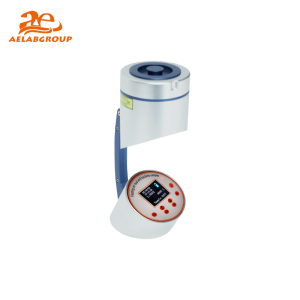
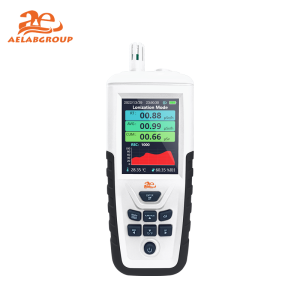
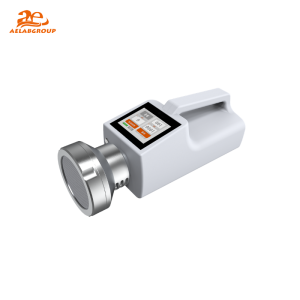
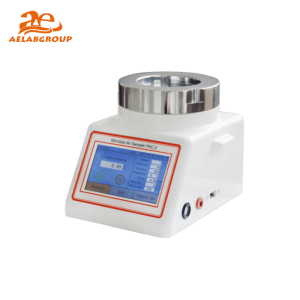
An air sampler is a device that collects airborne particulates, microbes, or gases onto a defined sampling medium (e.g., filters, agar plates, sorbent tubes) for subsequent measurement. Depending on design, air is drawn actively with a pump or passively via diffusion and natural airflow. Results support regulatory compliance, contamination control, and exposure assessments across indoor, outdoor, and occupational environments.
Devices in This Category
Active air samplers (pump-driven quantitative collection)
Passive air samplers (diffusion-based, long-term monitoring)
Personal air samplers (wearable for exposure tracking)
High-volume air samplers (environmental/outdoor studies)
Microbial impactors/agar plate samplers
Filter cassette and sorbent tube samplers
Technical Features and Specifications
FeatureDetails
Flow Rate1–1000 L/min depending on model and application
Power SupplyBattery or AC-powered options for field or benchtop use
Sampling MediaFilters, agar plates, sorbent tubes (target-specific)
PortabilityHandheld, wearable, or benchtop formats
Data OutputManual readouts or digital data logging for audit trails
CalibrationRoutine airflow verification using certified standards
CertificationsCompliance with ISO 14698 and relevant industry regulations
Target AnalytesMicrobial bioaerosols, particulates (PM), gases/vapors (VOC/chemicals)
Benefits
Supports research, compliance audits, and exposure assessments
Flexible media and formats for microbial, particulate, or chemical targets
Portable options enable on-site sampling in diverse environments
Digital logging streamlines documentation and traceability
Scalable from personal monitoring to high-volume ambient studies
Applications and Tests
🔬 Molecular Biology
Monitoring airborne microbes in lab environments
Ensuring contamination-free PCR and sequencing rooms
Validating cleanroom biosafety performance
🧪 Clinical Diagnostics
Airborne pathogen monitoring in hospitals and surgical suites
Validating sterile compounding areas (USP )
Microbial load analysis in diagnostic laboratories
🏭 Industrial & Food Testing
Cleanroom and production zone validation
Monitoring airborne yeast, mold, and particulates
Ensuring product safety in food and beverage facilities
🌱 Environmental & Agricultural Labs
Outdoor air pollution surveillance
Pesticide and particulate drift monitoring
Microbial sampling in crop and soil environments
Air Sampler vs. Air Monitor
AspectAir SamplerAir Monitor
PurposeCollects air for laboratory analysisProvides real-time air quality readings
OutputPhysical sample for lab testingInstant numerical data and trends
Use CaseResearch & compliance auditsContinuous monitoring systems
Sampling MethodActive (pump) or passive (diffusion) collectionIn-situ sensors (e.g., optical/ electrochemical)
Typical TargetsMicrobes, particulate, gases for lab confirmationPM, gases/VOCs with immediate alarms
Expert Tips for Choosing the Right Air Sampling Device
Define your sampling goal: microbial, particulate, or chemical analysis.
Match sampler type to environment—indoor, outdoor, personal, or high-volume.
Check calibration requirements and certification standards.
Evaluate maintenance and recurring consumable costs.
Confirm compliance with ISO 14698 or relevant regulations.
Maintenance Best Practices
Calibrate airflow regularly using certified standards.
Replace filters and media after each sampling session.
Clean and disinfect contact surfaces frequently.
Store samplers in a dry, contamination-free environment.
Document sampling logs and maintenance records accurately.
FAQ
Q: What is the main purpose of an air sampler?
A: To collect and analyze airborne particles, microorganisms, or gases for air quality assessment and compliance monitoring.
Q: How often should air samplers be calibrated?
A: Calibrate before each sampling campaign or per manufacturer recommendations to ensure accurate readings.
Q: Can air samplers detect viruses?
A: Yes. With suitable media (e.g., high-efficiency filters or impingers), samples can capture viral particles for laboratory analysis.
Q: What’s the difference between active and passive air sampling?
A: Active samplers use a pump to draw air at a controlled flow rate; passive samplers rely on natural diffusion and airflow over time for low-maintenance monitoring.