AELAB | Pharmaceutical Equipments | Tablet Hardness/Friability Tester
Tablet Hardness/Friability Tester
Introduction
Tablet Hardness/Friability Testers are essential instruments in pharmaceutical quality control, ensuring tablets have the right mechanical strength and resistance to damage. These testers guarantee consistent tablet performance, compliance with pharmacopeial standards, and patient safety by monitoring critical physical parameters.
What Is Tablet Hardness/Friability Tester?
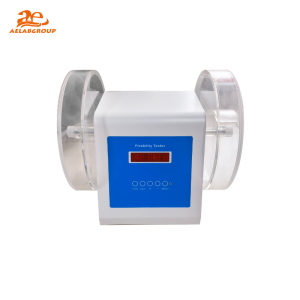
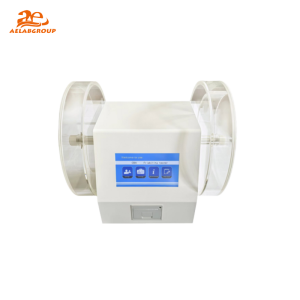
A Tablet Hardness/Friability Tester measures a tablet’s ability to resist mechanical stress such as crushing, chipping, and abrasion during handling and transportation. It ensures tablets are strong enough to maintain integrity but soft enough to dissolve appropriately, complying with USP, EP, JP, and IP pharmacopeia standards.
Devices in This Category
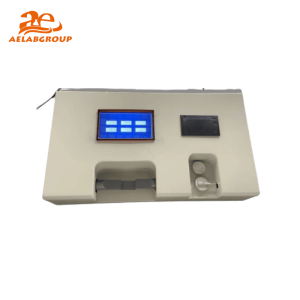
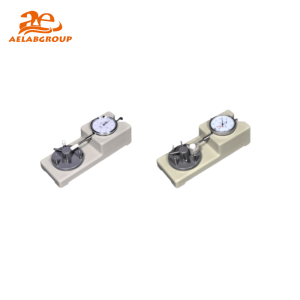
Manual Tablet Hardness Tester
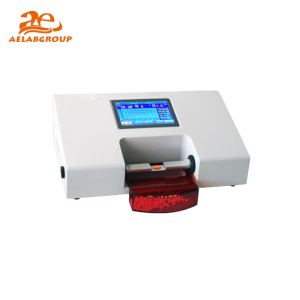
Semi-Automatic Tablet Hardness/Friability Tester
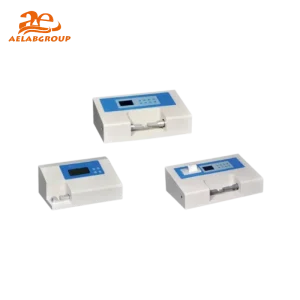
Fully Automatic Tablet Hardness/Friability Tester
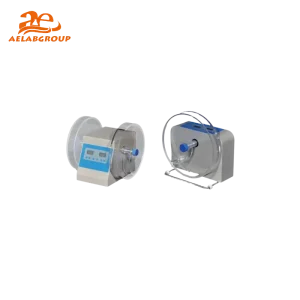
Digital Friability Tester with auto calculation
LIMS-Integrated Tablet Hardness System
Pharmacopeia-Compliant Dual Tester (Hardness + Friability)
Technical Features and Specifications
FeatureTablet Hardness TesterTablet Friability Tester
Measurement Range5–500 N or higher10–100 tablets capacity
Accuracy±1%±0.1% (weight loss)
DisplayDigital LCD or touchscreenDigital with auto-calculation
Speed/PressureManual or programmable pressure25 ±1 rpm (standard)
Testing DurationInstant per tablet4 minutes (standard USP)
Output InterfaceUSB, RS232, EthernetUSB, RS232, LIMS-compatible
ComplianceUSP , EP, JP, IPUSP , EP, JP, IP
Benefits
Ensures mechanical stability and dosage integrity
Confirms compliance with pharmacopeial quality standards
Supports batch uniformity and process validation
Provides traceable, automated data for regulatory audits
Reduces production errors through continuous QC monitoring
Applications and Tests
🔬 Molecular Biology
Testing bioactive tablet strength for controlled-release applicationsAssessing compacted powder formulations for consistencyOptimizing excipient binding properties in drug design
🧪 Clinical Diagnostics
Quality testing of diagnostic tablets or reagentsEvaluating shelf stability of compressed medical formulationsCompliance verification for pharmacopeia audit trails
🏭 Industrial & Food Testing
Monitoring supplement tablet hardness and friabilityTesting confectionery tablets and nutraceuticalsEnsuring robust packaging and transport durability
🌱 Environmental & Agricultural Labs
Testing compressed soil or fertilizer tablets for mechanical consistencyEvaluating release tablets in agricultural formulationsDeveloping biodegradable tablet formulations for controlled delivery
Tablet Hardness/Friability Tester vs. Disintegration Tester
FeatureTablet Hardness/Friability TesterDisintegration Tester
PurposeMeasures tablet strength and resistance to abrasionMeasures disintegration time in a liquid medium
FocusPhysical durabilityDissolution performance
Sample DamageTablet may break (hardness test)Tablet fully disintegrates
Regulatory StandardUSP , USP
ApplicationMechanical QC in productionBioavailability testing
Expert Tips for Choosing the Right Tablet Hardness/Friability Tester
Confirm compliance with USP, EP, and GMP standards before purchase.
Select automation level (manual, semi, or full) based on production volume.
Look for LIMS compatibility and data export features for audit readiness.
Consider built-in calibration and self-check diagnostics for reliability.
Match tablet size range and shape compatibility with your formulations.
Maintenance Best Practices
Calibrate force sensors and load cells regularly using certified standards.
Clean tablet holders, drums, and sensors after every test to prevent residue buildup.
Lubricate mechanical parts periodically to maintain smooth motion.
Store the tester in a dust-free, temperature-controlled environment.
Document all maintenance and calibration activities for GMP traceability.
FAQ
Q: How often should I perform hardness or friability tests?
A: Typically once per batch or at regular intervals per your SOPs and pharmacopeial guidelines to ensure consistency.
Q: Can I test coated tablets for friability?
A: Yes, but account for coating effects on weight loss. Ensure coatings don’t peel excessively during testing.
Q: What’s the acceptable friability limit under USP?
A: The typical allowable tablet weight loss is ≤1% after a 4-minute, 25 rpm rotation test unless otherwise specified.
Q: What’s the difference between friability and abrasion testing?
A: Friability measures overall chipping and breakage under tumbling stress, while abrasion testing focuses only on surface wear resistance.
Q: Do automatic testers require frequent calibration?
A: All testers, including automated models, should be calibrated routinely using traceable standards to ensure measurement accuracy and compliance.