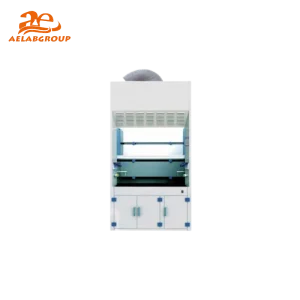
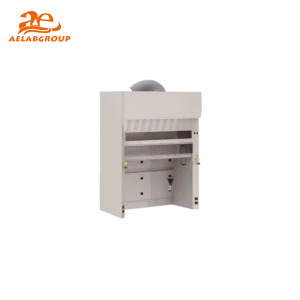
AELAB | Environmental Testing Equipment | Fume Hood
Fume Hood
Introduction
A Fume Hood is a ventilated enclosure that captures and exhausts hazardous fumes, vapors, and particulates to protect users and laboratories. By maintaining controlled airflow and effective containment, fume hoods reduce exposure risks and support compliance in academic, industrial, and pharmaceutical labs.
What Is Fume Hood?
A fume hood (laboratory or chemical fume hood) is a safety device that draws contaminated air away from the operator and either filters and recirculates it (ductless) or exhausts it outside (ducted). Using a sash, baffles, and monitored face velocity, it provides primary protection against VOCs, corrosive gases, and toxic aerosols generated during experiments.
Devices in This Category
Ducted fume hood (external exhaust for hazardous chemicals)
Ductless/recirculating fume hood (carbon/HEPA filtered return)
Walk-in fume hood (large apparatus and pilot-scale setups)
Benchtop fume hood (standard day-to-day use)
HEPA-equipped powder handling hood (particulate control)
Acid-/solvent-resistant lined variants (application-specific)
Technical Features and Specifications
FeatureDetails
Face VelocityTypically 80–120 fpm (feet per minute) for safe containment
SashVertical or combination; adjustable opening (often ≤ 18 in) with position marks
Baffles & AerodynamicsInternal panels manage uniform airflow and minimize turbulence
Construction MaterialsEpoxy-coated steel, stainless steel, or polypropylene work surfaces/liners
Monitoring & AlarmsAirflow monitor with low-flow alarm; optional auto-sash controls
Filtration/ExhaustDucted to atmosphere or ductless with carbon/HEPA filtration modules
CertificationsASHRAE 110 performance test; OSHA/ANSI/AIHA Z9.5; CE, ISO 9001 (manufacturer)
Utilities & ErgonomicsGas/vacuum fixtures, electrical outlets, spill lip, chemical-resistant worksurface
Benefits
Protects users from toxic, corrosive, and flammable vapors
Reduces fire/explosion risk with proper capture and exhaust
Prevents cross-contamination in sensitive chemical workflows
Supports compliance with OSHA, ANSI/AIHA Z9.5, and SEFA guidance
Improves lab air quality and overall safety culture
Applications and Tests
🔬 Molecular Biology
Preparation/handling of volatile solvents and reagentsDNA/RNA extraction steps requiring organic solventsDecontamination procedures using chemical agents
🧪 Clinical Diagnostics
Histology/Pathology solvent handling (xylene, formalin)Cytology stains and fixatives with hazardous vaporsChemical spill response and neutralization in labs
🏭 Industrial & Food Testing
Acid digestion and wet chemistry for metals analysisSolvent extraction and sample prep for LC/GCCleaning/etching steps in materials and coatings R&D
🌱 Environmental & Agricultural Labs
Pesticide residue extraction with volatile organicsAcid/base digestion for soil and water testingPreparation of standards and preservatives
Fume Hood vs. Biosafety Cabinet
AspectFume HoodBiosafety Cabinet
PurposeChemical safety & ventilationBiological safety & contamination control
Airflow/FiltrationInward capture; ducted exhaust or filtered recirculationHEPA downflow + HEPA exhaust; inward inflow
ProtectionUser from chemicalsUser, product, and environment
Suitable ForAcids, solvents, corrosivesPathogens, sterile culture work
StandardsASHRAE 110, ANSI/AIHA Z9.5, SEFANSF/ANSI 49, EN 12469
Expert Tips for Choosing the Right Fume Hood
Match hood type to hazards: ducted for corrosives/solvents; ductless for low-risk with appropriate filters.
Right-size the interior for apparatus and maintain 6 in setback from the face.
Specify low-flow alarms and verify ASHRAE 110 test performance.
Select chemical-resistant liners/worksurfaces suitable for acids or solvents.
Consider energy-saving features (auto-sash, VAV integration) without compromising safety.
Maintenance Best Practices
Inspect and replace filters per schedule (ductless) and verify capture via smoke/fog tests.
Measure face velocity quarterly to bi-annually; keep within 80–120 fpm.
Clean interior/baffles with compatible solvents; prevent residue buildup.
Calibrate airflow monitors annually; document all service events.
Operate with sash at recommended height; keep equipment clear of baffles and slots.
FAQ
Q: How often should a fume hood be tested?
A: At least every 3–6 months or as required by local policies; verify face velocity and containment (e.g., per ASHRAE 110).
Q: Can a ductless fume hood be used with acids?
A: Only with appropriate acid-compatible filters and within manufacturer limits—consult application guidance before use.
Q: What is face velocity and why does it matter?
A: Face velocity is the airflow speed at the hood opening; maintaining ~100 fpm (within 80–120 fpm) ensures effective capture of fumes.