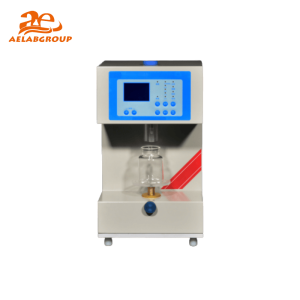
AELAB | Pharmaceutical Equipments | Gel Strength Tester
Gel Strength Tester
Introduction
A Gel Strength Tester is a vital instrument for measuring the consistency, texture, and firmness of gel-based products. Whether in food, pharmaceutical, cosmetic, or biomedical industries, Gel Strength Testers ensure quality, stability, and compliance through accurate, repeatable testing of gel materials.
What Is Gel Strength Tester?
A Gel Strength Tester is a precision device that measures the firmness or rigidity of gels by applying a defined force and recording resistance. It quantifies the force required to rupture or deform a gel sample—expressed in grams or Newtons—providing objective data on gel consistency, stability, and performance across industries such as food, pharmaceuticals, and cosmetics.
Devices in This Category
Manual Gel Strength Tester
Digital Gel Strength Tester
Bloom Test Apparatus (for gelatin strength)
Texture Analyzer with Gel Test Mode
Temperature-Controlled Gel Tester
Hydrogel Strength Measurement System
Technical Features and Specifications
FeatureDetails
Measurement Range0–1000 g or 0–10 N
Probe TypesBloom plunger, cone, flat head
Penetration DepthTypically 4 mm (Bloom Test)
Accuracy±0.5% or better
OutputDigital display, USB, RS232 interface
Temperature ControlOptional temperature-regulated chamber
StandardsBloom Test, ASTM F2392, ISO cosmetic gel standards
Data LoggingCompatible with LIMS or dedicated analysis software
Benefits
Provides standardized, repeatable gel strength measurements
Improves quality control and formulation consistency
Enables optimization of texture, firmness, and shelf stability
Ensures compliance with Bloom, ASTM, and ISO test standards
Enhances product appeal through reliable sensory performance
Applications and Tests
🔬 Molecular Biology
Testing hydrogel matrices for tissue scaffolds
Characterizing gel-based drug carriers
Measuring crosslinking density in biomedical gels
🧪 Clinical Diagnostics
Assessing pharmaceutical capsule shell consistency
Testing gel-based topical formulations for viscosity and strength
Evaluating drug delivery system stability
🏭 Industrial & Food Testing
Measuring gelatin, pectin, and agar gel firmness (Bloom strength)
Ensuring texture uniformity in confectionery and desserts
Quality control in jam, jelly, and gummy production
🌱 Environmental & Agricultural Labs
Testing bio-based gels and biodegradable hydrocolloids
Analyzing plant-based gelling agents for eco-products
Evaluating soil-gel stabilizers for controlled-release fertilizers
Gel Strength Tester vs. Texture Analyzer
AspectGel Strength TesterTexture Analyzer
Primary PurposeMeasures gel firmness and rupture forceMeasures a range of textural properties beyond gels
OutputGel strength (g or N)Force-distance or stress-strain curves
ComplexitySimpler and specialized for gel testingMore versatile but requires advanced setup
CalibrationUses reference weights or gelsUses load cells and multi-parameter calibration
Industry UseFood, pharma, cosmeticsFood, packaging, materials science
Expert Tips for Choosing the Right Gel Strength Tester
Ensure the tester complies with Bloom or ISO gel testing standards.
Choose digital models with software integration for data traceability.
Verify available probe types match your sample materials.
Opt for temperature-controlled systems for improved accuracy.
Assess ease of calibration, maintenance, and user interface before purchase.
Maintenance Best Practices
Clean probes and sample containers thoroughly after each test.
Recalibrate the instrument periodically using certified reference gels.
Store the device in a temperature-stable environment to prevent drift.
Inspect moving parts and sensors regularly for wear or misalignment.
Log maintenance and calibration data for traceability and audits.
FAQ
Q: What is Bloom strength?
A: Bloom strength measures gel firmness as the force required to press a standard plunger 4 mm into the gel. It is the industry standard for gelatin and similar materials.
Q: Can a Gel Strength Tester measure agar or pectin?
A: Yes. Ensure the probe type and measurement range are appropriate for the specific gel matrix and consistency.
Q: What factors affect gel strength readings?
A: Temperature, pH, gel concentration, and setting time can all influence the final measurement. Controlling these variables is crucial for accuracy.
Q: Is calibration important for gel testers?
A: Yes. Regular calibration using reference gels or certified weights ensures reliable, reproducible results and compliance with quality standards.
Q: Which industries benefit most from gel strength testing?
A: Food, pharmaceutical, cosmetic, and biomedical sectors all rely on gel strength testing to ensure texture, stability, and end-user satisfaction.