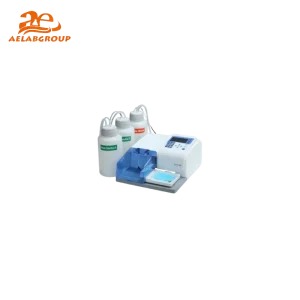
AELAB | Life Science Research | Elisa Microplate Reader/Washer
ELISA Microplate Readers and Washers
Introduction
ELISA Microplate Readers and Washers are essential for high-precision immunoassays, enabling accurate signal detection and consistent plate washing. These instruments streamline workflows, improve reproducibility, and support high-throughput testing in clinical, pharmaceutical, and biotechnology labs. Selecting the right configuration safeguards data quality while maximizing efficiency.
What Is ELISA Microplate Readers and Washers?
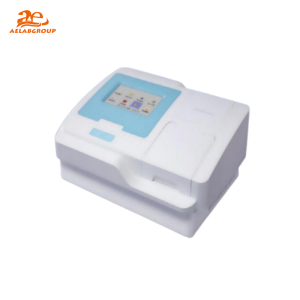
An ELISA microplate reader is a spectrophotometer optimized for microplates that measures absorbance at defined wavelengths to quantify analyte concentration. An ELISA microplate washer automates wash cycles to remove unbound material, reducing background and improving assay accuracy. Together, they deliver reliable, efficient ELISA performance across end-point and kinetic formats.
Devices in This Category
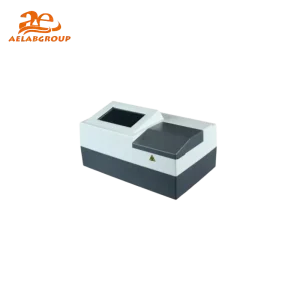
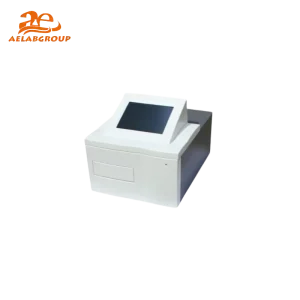
ELISA microplate reader (filter- or monochromator-based)
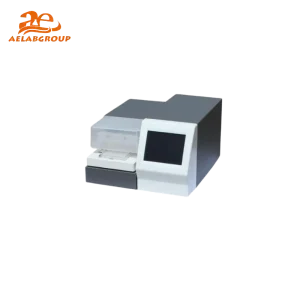
ELISA microplate washer (strip or full-plate)
96- and 384-well interchangeable wash heads
Automated stacker/robot-compatible reader-washer systems
Plate shaker/incubator modules for kinetic ELISA (optional)
Onboard software and external interfaces (USB/RS232/printer)
Technical Features and Specifications
FeatureDetails
Wavelength Range (Reader)400–800 nm to cover common chromogenic substrates and reference measurements
Measurement ModesEnd-point, kinetic, and multi-wavelength reads for curve fitting and background correction
Optical PerformanceResolution 0.001 OD; accuracy ±1.0% at 1.0 OD (model-dependent)
Light SourceTungsten halogen lamp for stable visible-range illumination
User Interface & Data7” high-resolution LCD touchscreen; onboard storage; USB/RS232 and parallel printer interface
Plate Compatibility96-well standard (reader example LMMR-M101); washer supports 96- and 384-well formats
Washer Modes & HeadsFast sequential, continuous, and bottom washing; interchangeable 96/384-well heads
Automation & MaintenanceProgrammable protocols, robotic integration; self-cleaning and standby to prevent clogging
Footprint & Weight (Reader)Approx. 460×350×497 mm; ~10 kg (model example)
Benefits
High throughput with automated reading and washing cycles.
Improved accuracy and lower background via consistent wash performance.
Reproducible results with programmable, validated protocols.
Streamlined data handling and traceability through integrated software and interfaces.
Flexible support for multiple assay formats and plate densities.
Applications and Tests
🔬 Molecular Biology
Protein quantification (e.g., cytokines, enzymes)Antibody/antigen binding studiesKinetic ELISA for enzyme activity
🧪 Clinical Diagnostics
Infectious disease serologyAutoimmune antibody panelsHormone and therapeutic drug monitoring (research use or IVD per region)
🏭 Industrial & Food Testing
Allergen screening in food matricesProcess QC for bioproductsMycotoxin and residue testing
🌱 Environmental & Agricultural Labs
Biomarker detection in environmental samplesPlant pathogen serologyVeterinary ELISA assays
ELISA Microplate Readers and Washers vs. Manual Methods
AspectELISA Microplate Readers & WashersManual Methods (Pipetting & Hand Washing)
ThroughputHigh—automated cycles and rapid readsLow—operator limited
Accuracy & ConsistencyHigh—programmable protocols minimize variabilityVariable—operator dependent
Labor IntensityLow—hands-free wash/readHigh—repetitive manual steps
Initial CostHigh—capital equipmentLow—basic tools
Data ManagementIntegrated storage/export and analysisManual recording; higher error risk
Expert Tips for Choosing the Right ELISA Device
Match wavelength coverage and measurement modes to your assay kits (end-point vs. kinetic).
Confirm plate formats needed now and in the future (96 vs. 384 wells) and availability of appropriate wash heads.
Evaluate automation needs: barcode/stacker support and LIMS connectivity for high-throughput labs.
Scrutinize optical specs (OD accuracy/resolution) and validation tools for QC and compliance.
Assess vendor training, service contracts, and availability of self-cleaning/maintenance features.
Maintenance Best Practices
Run washer self-cleaning and flush lines after use; keep standby routines enabled to prevent clogging.
Inspect and replace tubing, seals, and manifolds on schedule to maintain wash uniformity.
Wipe reader optics window/plate carrier and keep dust covers on when idle.
Verify OD accuracy with plate standards and document calibrations regularly.
Back up methods and results; keep firmware/software updated per vendor guidance.
FAQ
Q: What wavelength range do most ELISA microplate readers cover?
A: Typical readers span 400–800 nm, accommodating common chromogenic substrates and reference measurements.
Q: How do automated washers improve assay accuracy?
A: They deliver consistent wash volumes and patterns, efficiently removing unbound material to reduce background noise and variability.
Q: Can these systems integrate with robotics and LIMS?
A: Yes, many models support robotic loading and offer USB/RS232 or networked data export for LIMS integration.
Q: What are common trade-offs versus manual methods?
A: Automated systems require higher upfront investment and training but deliver superior throughput, consistency, and data traceability.