AELAB | Laboratory Equipment | Sterilizer/Autoclave | Vertical Sterilizer
Vertical Sterilizer
Introduction
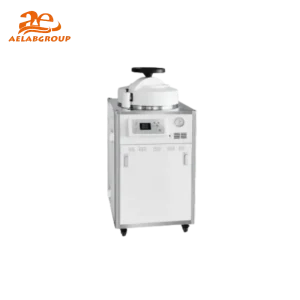
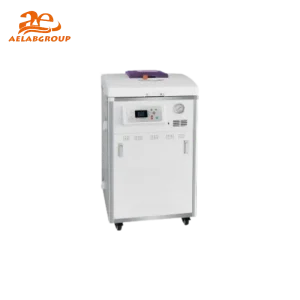
A Vertical Sterilizer is a steam-based autoclave that uses high pressure and temperature to eliminate microorganisms on instruments and supplies. Its vertical, space-efficient design and programmable controls enable precise, reliable sterilization in medical and laboratory environments.
What Is a Vertical Sterilizer?
A Vertical Sterilizer is a top-loading autoclave commonly used in healthcare and research labs to render tools and materials free from bacteria, viruses, and fungi. It operates with saturated steam under pressure and typically offers programmable cycles for exact control of temperature, pressure, exposure time, and drying—helping ensure validated, contamination-free results while optimizing floor space.
Devices in This Category
Top-loading vertical steam autoclaves
Vertical sterilizers with vacuum & drying
Compact vertical bench/floor models
Large-capacity vertical autoclaves for instrument sets
Vertical sterilizers with programmable multi-cycle profiles
Technical Features and Specifications
Feature
Details
Sterilization Method
Saturated steam under high pressure and temperature
Typical Temperature
121–134 °C (cycle-dependent)
Operating Pressure
~15–30 psi (≈1–2 bar) gauge during sterilization
Controls
Programmable cycles with time/temperature/pressure settings; digital display
Chamber Orientation
Vertical, top-loading for efficient floor-space usage
Capacity Range
Approx. 20–100+ liters (model-dependent)
Construction
Stainless-steel chamber; corrosion-resistant fittings
Safety
Lid interlock, over-pressure protection, overheat cut-off, cycle abort
Benefits
Validated sterilization that eliminates bacteria, viruses, and fungi
Space-efficient vertical footprint for crowded labs and clinics
Programmable control for consistent, reproducible cycles
Top-loading design accommodates tall flasks and instrument baskets
Supports a wide range of medical and laboratory materials
Applications and Tests
🔬 Molecular Biology
Sterilization of glassware, media bottles, and autoclavable plastics
Decontamination of pipette tips, tubing, and lab tools
Preparation of sterile culture media and buffers
🧪 Clinical Diagnostics
Sterilizing surgical instrument sets and trays
Decontaminating reusable clinic tools
Waste load deactivation prior to disposal (where permitted)
🏭 Industrial & Food Testing
Sterilization of sampling gear and QA/QC instruments
Preparation of sterile test media for microbiology
Decontamination of reusable processing accessories
🌱 Environmental & Agricultural Labs
Sterilizing soil and water sampling tools
Decontamination of culture vessels for plant/microbial work
Safe treatment of biohazardous materials before disposal
Vertical Sterilizer vs. Horizontal Autoclave
Aspect
Vertical Sterilizer
Horizontal Autoclave
Footprint
Space-saving, small floor area
Larger footprint, bench or floor lengthwise
Loading Orientation
Top-loading; ideal for tall items
Front-loading; easy tray access
Typical Capacity
Small to medium volumes
Medium to large volumes/high throughput
Use Case
General lab/clinic loads, tall flasks, baskets
High-frequency instrument sets and packs
Complexity
Straightforward operation with programmable cycles
More advanced options (e.g., pre/post vacuum, larger trays)
Expert Tips for Choosing the Right Vertical Sterilizer
Match chamber volume to your largest routine load, including baskets or tall vessels.
Verify cycle programmability for your material types and validation needs.
Confirm utilities (water, power, drainage) and floor space requirements.
Look for safety interlocks and clear cycle/status indication.
Consider models with vacuum/drying if packaging or porous loads are common.
Maintenance Best Practices
Wipe chamber and baskets after cycles; remove residues and condensate.
Check gaskets, lid seals, and safety valves periodically and replace as needed.
Use appropriate water quality to minimize scale; descale per manufacturer guidance.
Validate temperature/pressure performance and recalibrate on a routine schedule.
Keep logs of cycle parameters, maintenance, and biological/chemical indicators.
FAQ
Q: How does a Vertical Sterilizer eliminate microorganisms?
A: It exposes items to saturated steam at high temperature and pressure for a defined time, denaturing proteins and effectively killing bacteria, viruses, and fungi.
Q: What types of loads are suitable for vertical autoclaves?
A: Common loads include instrument sets, glassware, culture media, and certain autoclavable plastics; always verify material compatibility with steam sterilization.
Q: Are cycles programmable?
A: Yes. Most vertical sterilizers provide programmable controls to set temperature, pressure, exposure time, and optional drying to match specific protocols.
Q: Why choose a vertical design over a horizontal one?
A: The vertical, top-loading layout optimizes floor space and accommodates tall vessels, making it practical for compact labs or clinics with limited bench length.