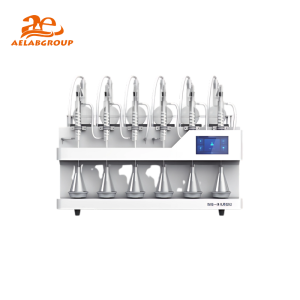
AELAB | Laboratory Equipment | Water Distiller
Water Distillers
Introduction
Water distillers are reliable devices for producing ultra-pure water by removing impurities, minerals, and microbes through distillation. Whether for home, laboratory, or medical use, a water distiller ensures consistent water quality. This guide explains how water distillers work, their advantages, and how to choose the best one for your needs.
What Is a Water Distiller?
A water distiller purifies water by heating it into steam, separating impurities, and condensing the steam back into clean liquid. This process removes up to 99.9% of contaminants—including heavy metals, chemicals, and microbes—resulting in safe, distilled water for drinking, medical, and laboratory use.
Devices in This Category
Countertop Water Distiller
Automatic Water Distiller
Solar Water Distiller
Laboratory Water Distillation Unit
Stainless Steel Boiling Chamber
Glass or BPA-free Collection Container
Technical Features and Specifications
FeatureDetails
Purification MethodThermal distillation (boil–evaporate–condense cycle)
Contaminant RemovalEliminates up to 99.9% of bacteria, viruses, heavy metals, and dissolved solids
Material ConstructionStainless steel body with glass or BPA-free container
Production Capacity1–12 gallons per day (varies by model)
Power ConsumptionApproximately 500–750 W per gallon
Cooling SystemAir- or water-cooled condenser coil
Safety FeaturesAutomatic shut-off, overheat protection, sealed steam path
Optional EnhancementsPost-carbon filter for taste improvement, automatic refill systems
Benefits
Removes up to 99.9% of all contaminants and dissolved solids
Produces sterile, chemical-free water for drinking and lab use
Requires no filter replacements, minimizing maintenance costs
Eco-friendly alternative to bottled water
Durable and easy to operate for home or professional settings
Applications and Tests
🔬 Molecular Biology
Preparation of reagents and solutions requiring ultra-pure water
Instrument cleaning and sterilization
Water source for cell culture and molecular assays
🧪 Clinical Diagnostics
Distilled water for autoclaves and dental equipment
Medical-grade water for lab tests and rinsing
Preparation of sterile saline and solutions
🏭 Industrial & Food Testing
Purified water for quality control and calibration
Use in beverage and food production for contamination prevention
Cleaning and rinsing sensitive equipment
🌱 Environmental & Agricultural Labs
Water purification for soil and water testing
Greenhouse irrigation using mineral-free water
Environmental sampling requiring contaminant-free liquids
Water Distiller vs. Other Purification Methods
FeatureWater DistillerReverse OsmosisCarbon Filter
Removes Viruses✅ Yes❌ No❌ No
Removes Heavy Metals✅ Excellent✅ Good❌ Limited
Removes Fluoride✅ Yes✅ Some❌ No
Filter Replacement Cost❌ None✅ Ongoing✅ Ongoing
Wastewater Produced✅ Minimal❌ High✅ Low
Expert Tips for Choosing the Right Water Distiller
Select capacity based on daily usage—typically 1–12 gallons per day.
Choose stainless steel models for durability and hygiene.
Opt for glass collection containers to avoid plastic leaching.
Look for automatic shut-off and overheat protection features.
Consider a post-carbon filter if you prefer improved taste.
Maintenance Best Practices
Clean the boiling chamber weekly to remove mineral residue.
Use pre-filtered tap water to extend system life.
Inspect seals and connections for leaks or wear.
Descale using mild acid solutions if buildup occurs.
Store distilled water in glass or BPA-free containers.
FAQ
Q: Is distilled water safe to drink every day?
A: Yes, distilled water is completely safe for daily use, though it lacks minerals found in tap water, which may affect taste.
Q: Does a water distiller remove fluoride?
A: Absolutely. Distillation effectively removes fluoride, unlike carbon filters or most standard filtration systems.
Q: How long does it take to produce distilled water?
A: Most countertop units take about 4–6 hours to produce one gallon of distilled water, depending on power and ambient temperature.
Q: Can distilled water be used for cooking?
A: Yes, distilled water enhances flavor in tea, coffee, soups, and baby food, as it’s free from chlorine and minerals that alter taste.