Laboratory Balances
Introduction
A laboratory balance is a precision instrument designed to measure mass with exceptional accuracy, essential in scientific research, pharmaceuticals, and quality control. These balances ensure reliable, repeatable measurements across applications from chemistry experiments to industrial testing. Choosing the right balance guarantees precision, efficiency, and data integrity in every weighing task.
What Is a Laboratory Balance?
A laboratory balance is a highly sensitive weighing device used to measure small masses with microgram-level accuracy. Unlike regular digital scales, laboratory balances offer advanced calibration, stability, and multiple weighing modes for analytical, industrial, and research use. They are fundamental tools in environments demanding precise quantification of solids, powders, and liquids.
Devices in This Category
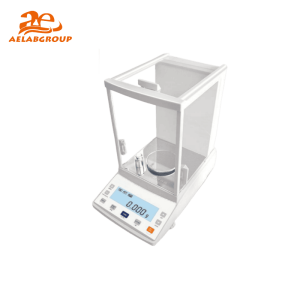
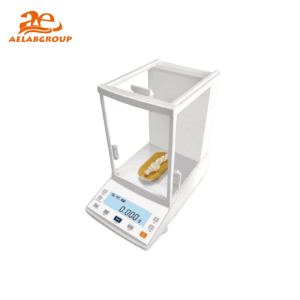
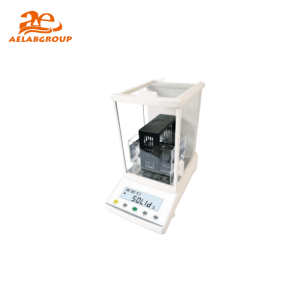
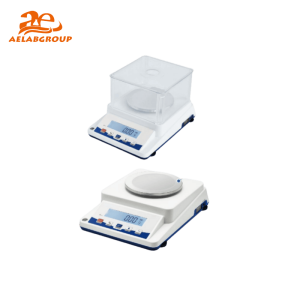
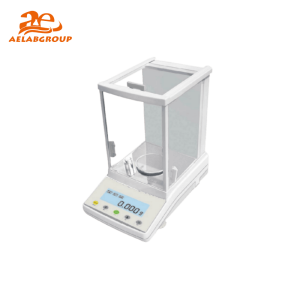
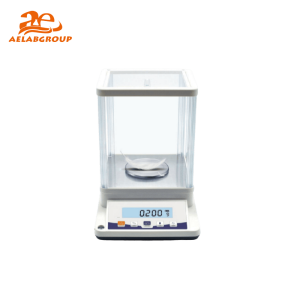
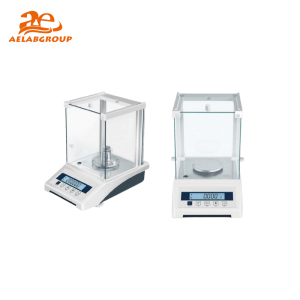
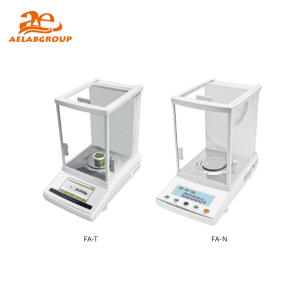
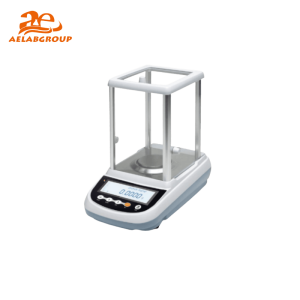
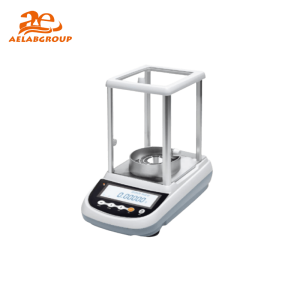
Analytical Balance (with draft shield, 0.0001 g accuracy)
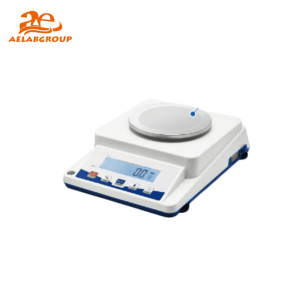
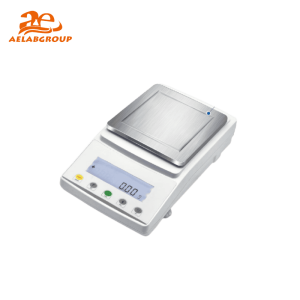
Precision Balance (0.001 g to 0.01 g accuracy)
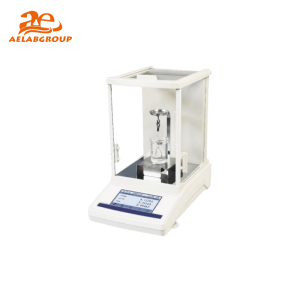
Micro and Semi-Micro Balance (up to 1 µg resolution)
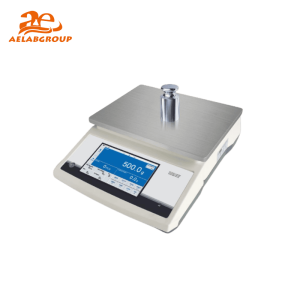
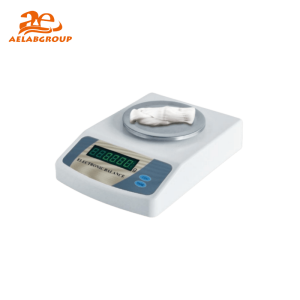
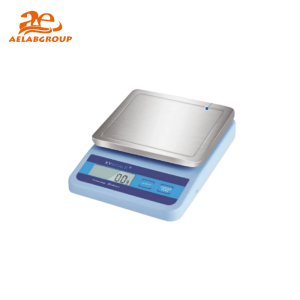
Top-Loading Balance (0.01 g to 1 g accuracy)
Moisture Balance (for moisture content analysis)
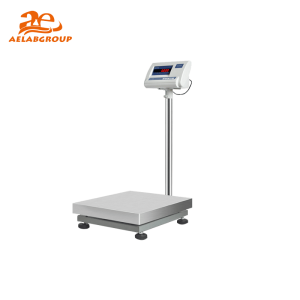
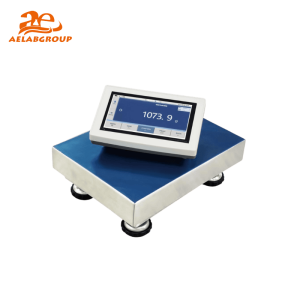
Platform and Industrial Laboratory Balance
Technical Features and Specifications
FeatureDetails
ReadabilityFrom 0.000001 g (micro) to 1 g (top-loading)
Weighing CapacityRanges from 0.1 g up to several kilograms
CalibrationInternal (automatic) or external (manual using weights)
DisplayLCD or touch-screen with unit conversions and statistics
ConnectivityUSB, RS232, or wireless data transfer to PC/LIMS
Environmental ProtectionDraft shield, anti-static coating, vibration compensation
ConstructionAluminum base with stainless steel weighing pan
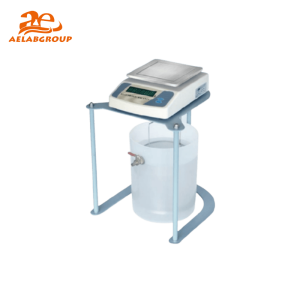
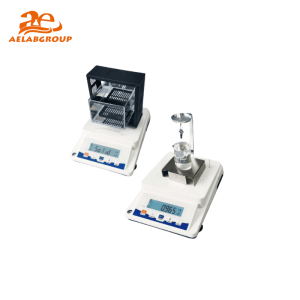
Software FunctionsTare, density determination, piece counting, percentage weighing
Benefits
High accuracy and repeatability for sensitive measurements
Reduces human error with digital calibration and stability controls
Supports multiple weighing modes and data logging
Improves traceability with integrated connectivity features
Durable, easy-to-clean construction suited for various environments
Applications and Tests
🔬 Molecular Biology
Weighing reagents and chemicals for solution preparation
Measuring micro-samples for DNA/RNA extraction and analysis
Accurate quantification for buffer and media formulation
🧪 Clinical Diagnostics
Weighing medical powders and reagents in diagnostics labs
Preparation of calibration standards for assays
Accurate measurement of pharmaceuticals and excipients
🏭 Industrial & Food Testing
Quality control of food, chemicals, and industrial materials
Moisture and density analysis of bulk samples
Batch formulation and component verification
🌱 Environmental & Agricultural Labs
Soil and fertilizer composition testing
Water residue weighing and environmental sample prep
Seed and plant material measurement for studies
Laboratory Balance vs. Regular Scale
FeatureLaboratory BalanceRegular Scale
PrecisionHigh (micrograms)Low (grams)
ApplicationScientific and industrial analysisHousehold or retail weighing
CalibrationFrequent, using certified weightsRarely required
Stability SensitivitySensitive to air drafts and vibrationsLess affected by environment
Weighing RangeSmall to moderate samplesLarge or bulk items
Expert Tips for Choosing the Right Laboratory Balance
Identify your weighing range and precision requirements before purchase.
Opt for internal calibration for environments with frequent temperature changes.
Select balances with draft shields and vibration damping for micro-level weighing.
Ensure compatibility with data transfer systems (USB/RS232/LIMS).
Consider anti-static and spill-resistant designs for long-term durability.
Maintenance Best Practices
Calibrate regularly using certified weights or internal functions.
Keep the weighing area clean and free of dust or drafts.
Handle samples with gloves or tongs to prevent contamination.
Check level and alignment before each use for accuracy.
Clean the weighing pan and housing with lint-free wipes after use.
FAQ
Q: What is the difference between an analytical and a precision balance?
A: Analytical balances offer higher sensitivity (up to 0.0001 g) and are enclosed in a draft shield, while precision balances have lower sensitivity (0.001–0.01 g) but greater capacity and robustness.
Q: Why is calibration important for laboratory balances?
A: Calibration ensures the accuracy of measurements by adjusting for environmental changes and instrument drift, maintaining traceable and reliable results.
Q: How do environmental factors affect weighing accuracy?
A: Air currents, temperature fluctuations, and static electricity can alter readings; using draft shields and anti-static features minimizes these effects.
Q: Can laboratory balances connect to computers or printers?
A: Yes, most modern balances feature USB, RS232, or wireless connectivity for data logging, traceability, and integration with lab software.