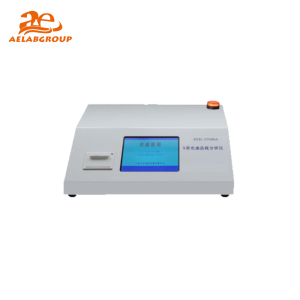
AELAB | Petroleum Testing Equipment | Fuel Oil Tester
Fuel Oil Tester
Introduction
A Fuel Oil Tester verifies that diesel, marine, and heavy fuel oils meet performance and regulatory specifications before use. By assessing viscosity, flash point, sulfur, water, and contaminants, a Fuel Oil Tester helps prevent engine damage, downtime, and compliance issues across power, marine, and industrial operations.
What Is a Fuel Oil Tester?
A Fuel Oil Tester is a laboratory or field instrument that analyzes the physical and chemical properties of fuel oil to determine suitability for safe, efficient combustion. It commonly measures viscosity, flash point, sulfur content, water content, density, acidity (TAN), and sediment to ensure conformity with standards such as ISO 8217 and ASTM D396.
Devices in This Category
Portable Fuel Oil Test Kits (field use, marine)
Laboratory Fuel Analyzers (multi-parameter, benchtop)
Automated Fuel Testing Stations (high-throughput QA)
Diesel Fuel Tester (water, microbial contamination)
Marine Fuel Oil Tester (ISO 8217 compliance checks)
Heavy Fuel Oil Testing Instrument (viscosity, sulfur, sludge)
Technical Features and Specifications
FeatureDetails
Parameters MeasuredViscosity, flash point, sulfur, water, density, TAN, sediment/sludge
Measurement PrinciplesViscometry; closed/open-cup flash point; Karl Fischer titration; XRF/spectrophotometry; gravimetric sediment
Temperature CapabilityControlled measurement per method; flash point up to ~400 °C (method dependent)
Automation LevelManual, semi-automatic, or fully automated workflows
Sample VolumeTypically 50–100 mL (flash point); small aliquots for titration/spectroscopy
ComplianceISO 8217, ASTM D396, ASTM D445 (viscosity), ASTM/ISO flash point methods, MARPOL Annex VI (sulfur limits)
Connectivity & UITouchscreen interfaces; USB/Ethernet data export; onboard LIMS/reporting
PortabilityHandheld/kit options for on-site checks; benchtop analyzers for full compliance testing
Benefits
Prevents engine wear, injector fouling, and boiler issues
Confirms compliance with ISO, ASTM, and MARPOL requirements
Improves combustion efficiency and lowers emissions
Enables early detection of water, sludge, and microbial contamination
Supports data-driven maintenance and procurement decisions
Applications and Tests
🔬 Molecular Biology
Facility backup-generator fuel checks for research campuses
Safety screening of stored fuels used for laboratory utilities
🧪 Clinical Diagnostics
Hospital generator diesel verification (water, microbial contamination)
Boiler/heating fuel suitability and flash point confirmation
🏭 Industrial & Food Testing
Power plant and refinery QA: viscosity, sulfur, density
Marine fuel (MGO/HFO) conformity to ISO 8217
Remote generator operations: storage stability monitoring
Petrochemical and terminal receipt testing for contamination
🌱 Environmental & Agricultural Labs
Tank farm and depot surveillance for water ingress and sludge
Biodiesel blend verification and sulfur limit checks
Irrigation and off-grid generator fuel quality assurance
Fuel Oil Tester vs. Fuel Analyzer
AspectFuel Oil TesterFuel Analyzer
FocusDiesel, marine gas oil, heavy fuel oilsBroader fuels (gasoline, biofuels, blend components)
Test MethodsPhysical/chemical tests (viscosity, flash point, water, sulfur)Adds chromatography/spectroscopy for compositional profiling
PortabilityPortable kits and benchtop unitsPrimarily benchtop laboratory systems
Use CaseMaritime, industrial QA, power plantsR&D, regulatory labs, detailed composition
Compliance FocusISO 8217, ASTM D396, MARPOL limitsBroader method coverage incl. fuel blending and speciation
Expert Tips for Choosing the Right Fuel Oil Tester
Match the tester to fuel type (diesel, MGO, HFO) and the standards you must meet (ISO 8217, ASTM).
Prioritize parameters that drive your risks—water and sulfur for compliance; viscosity and sediment for engine health.
Select portable kits for rapid on-board or field decisions; choose benchtop analyzers for full certification reports.
Consider automation and throughput if testing every delivery or multiple daily batches.
Plan for calibration materials, consumables, and data integration with LIMS/CMMS.
Maintenance Best Practices
Calibrate viscometers, temperature probes, and titrators at defined intervals using certified standards.
Rinse sample paths and cups after each test to prevent cross-contamination and residue buildup.
Inspect filters, syringes, seals, and tubing; replace worn parts proactively.
Verify flash point ignition assemblies (flame/spark) and clean electrodes or jets regularly.
Store reagents and standards per manufacturer guidance; track lot numbers for audit traceability.
FAQ
Q: Which standards govern fuel oil testing?
A: Common references include ASTM D396 (fuel oils), ASTM D445 (viscosity), ISO 8217 (marine fuels), and MARPOL Annex VI for sulfur limits.
Q: How often should fuel oil be tested?
A: For critical operations (ships, power plants, standby generators), test each new delivery and perform periodic checks during storage.
Q: Can I test fuel oil on-site?
A: Yes. Portable fuel oil test kits provide rapid assessments of water, sediment, stability, and microbial contamination, enabling real-time decisions.