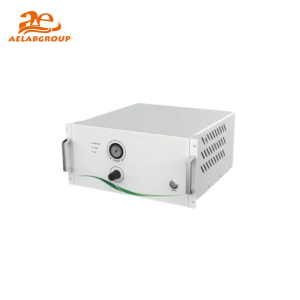
AELAB | Environmental Testing Equipment | AQMS Air Quality Machine
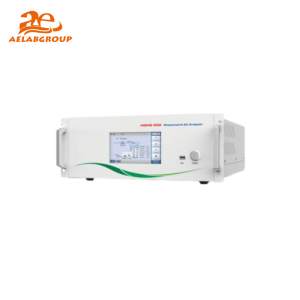
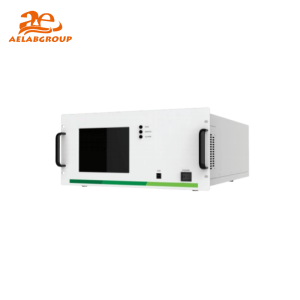
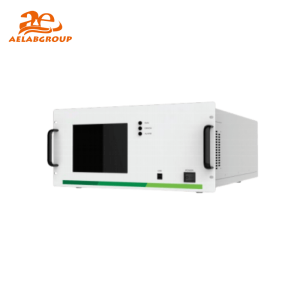
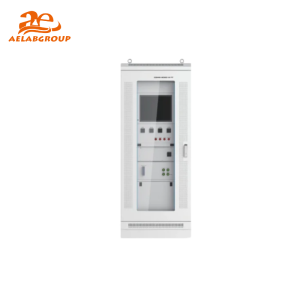
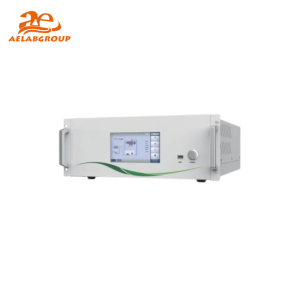
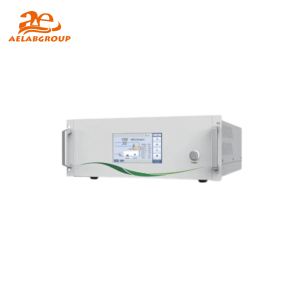
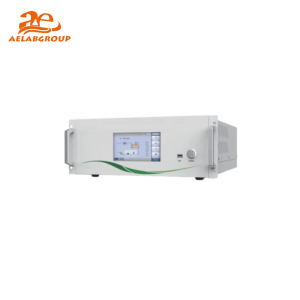
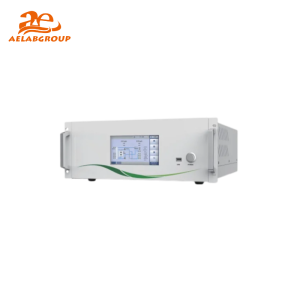
AQMS Air Quality Machine (Laboratory Biological Microscope)
Introduction
The AQMS Air Quality Machine integrates advanced air sensing with a biological microscope to safeguard research integrity and staff safety. This laboratory-grade system delivers real-time insight into particulates and gases while enabling high-clarity imaging. If you need precise, audit-ready monitoring, the AQMS Air Quality Machine streamlines compliance and workflow.
What Is AQMS Air Quality Machine (Laboratory Biological Microscope)?
The AQMS (Air Quality Monitoring System) Air Quality Machine is a lab-grade instrument that unites high-sensitivity air quality sensors (PM, VOCs, CO₂, CO, formaldehyde, ozone) with a 40x–1000x biological microscope. Engineered for cleanrooms, biomedical, environmental, and pharmaceutical labs, it measures indoor air parameters that can affect sample integrity while offering real-time microscopy, data networking, and alerting to reduce contamination risks and support standards compliance.
Devices in This Category
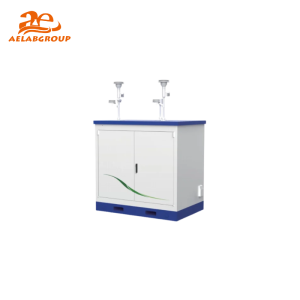
Microscope-integrated AQMS workstation
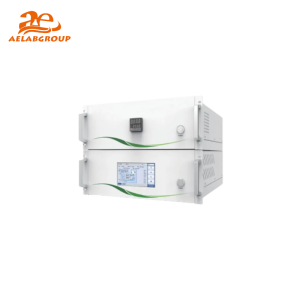
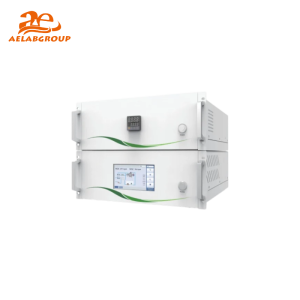
Modular AQMS sensor suite (PM/VOC/CO₂/CO/HCHO/O₃)
Biological microscope module (40x–1000x, LED illumination)
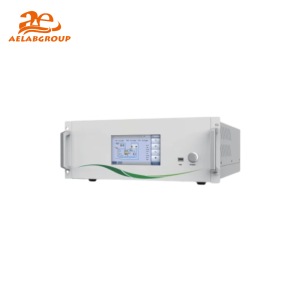
Digital imaging & display capture unit
Network & data interface module (Wi-Fi/Ethernet)
Anti-vibration sample stage assembly
Technical Features and Specifications
FeatureDetails
Particulate SensingPM2.5 & PM10 detection for airborne particulate analysis
Gas DetectionVOCs, CO₂, CO, formaldehyde (HCHO), ozone (O₃)
Microscope Optics40x–1000x magnification; adjustable LED illumination
Imaging & DisplayReal-time digital capture with on-screen visualization
Sample StabilityAnti-vibration sample holder for stable viewing
ConnectivityWi-Fi & Ethernet; remote access; LIMS/data system compatibility
DesignCompact, modular; microscope and AQMS sensors usable independently
ComplianceSupports ISO 14644 cleanroom and WHO lab air quality guidelines
Benefits
Real-time detection of particulates and key gases to prevent sample contamination
Dual functionality integrates air monitoring and microscopy, saving bench space
Unified data and alerts improve response time and traceability
Designed to align with international cleanroom and lab guidelines
Modular, portable configuration reduces total cost of ownership
Applications and Tests
🔬 Molecular Biology
Protecting DNA/RNA workflows from aerosolized contaminants
Monitoring VOC/PM levels near PCR and sequencing prep areas
Microscopic inspection of cells and tissues alongside air metrics
🧪 Clinical Diagnostics
Real-time air quality checks in hematology and microbiology benches
Microscopy for smears and cultures with simultaneous air trend logging
Alerting to CO₂/VOC spikes that could impact analyte stability
🏭 Industrial & Food Testing
Particulate tracking during sample preparation and QA microscopy
VOC/formaldehyde surveillance in materials and packaging tests
On-bench documentation for audits with unified data records
🌱 Environmental & Agricultural Labs
Simultaneous biological imaging and air parameter logging for field samples
Dust/ozone impact assessment on plant or soil microscopy studies
Educational demonstrations of air pollutants and microstructures
AQMS Air Quality Machine vs. Traditional Separate Systems
AspectAQMS Air Quality MachineTraditional Separate Systems
Space EfficiencyHigh—single compact unitMultiple devices consume bench space
Real-Time Air MonitoringBuilt-in sensors with alertsOften external; limited integration
Data IntegrationUnified air + imaging data streamManual collation across systems
Cost EffectivenessLower total cost over timeHigher upfront & maintenance
Portability/ModularityCompact; modules usable independentlyBulky; limited flexibility
Setup & TrainingSingle workflow; faster onboardingMultiple interfaces and SOPs
Expert Tips for Choosing the Right AQMS Air Quality Machine
Calibrate sensors quarterly and verify against lab reference instruments.
Match optical range (40x–1000x) and LED control to your imaging tasks.
Enable automated SMS/email alerts for threshold breaches of PM, VOCs, or gases.
Confirm LIMS or data-management compatibility via Wi-Fi/Ethernet before deployment.
Position away from vents, doors, or direct sunlight to avoid skewed readings.
Maintenance Best Practices
Clean microscope lenses routinely with blower and microfiber; avoid harsh solvents.
Inspect and replace particulate/gas sensor consumables or filters as recommended.
Update firmware/software and back up logs on a defined schedule.
Perform drift checks and gas bump tests (where applicable) between formal calibrations.
Verify anti-vibration stage integrity and tighten mounts to maintain image stability.
FAQ
Q: Which pollutants does the AQMS Air Quality Machine measure?
A: It detects PM2.5/PM10 particulates and gases including VOCs, CO₂, CO, formaldehyde (HCHO), and ozone (O₃).
Q: Can I use the microscope and the air sensors independently?
A: Yes—its modular design allows the biological microscope and AQMS sensor suite to be used separately as needed.
Q: Does it support compliance with ISO 14644 or WHO lab guidelines?
A: The system is designed to support cleanroom and laboratory air quality requirements aligned with ISO 14644 and WHO guidance; verify site-specific thresholds in your SOPs.
Q: How often should I calibrate the sensors?
A: A quarterly calibration schedule is recommended, with interim checks using reference devices for critical workflows.
Q: What connectivity options are available for data export?
A: Wi-Fi and Ethernet are supported, enabling remote monitoring and integration with laboratory data management systems.