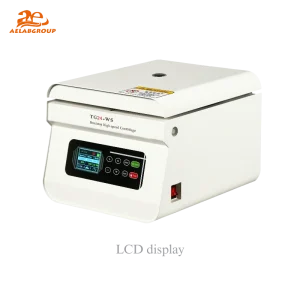
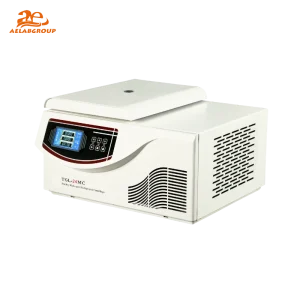
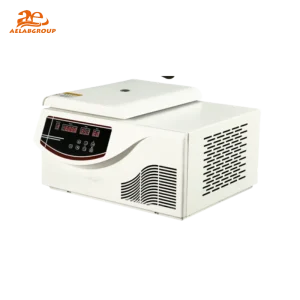
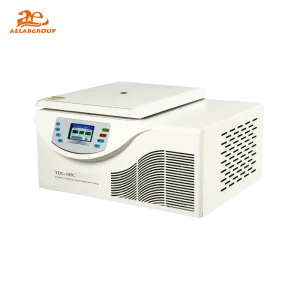
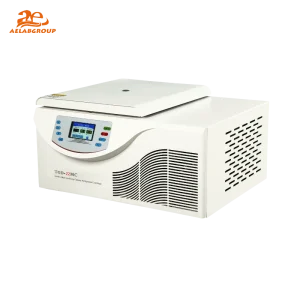
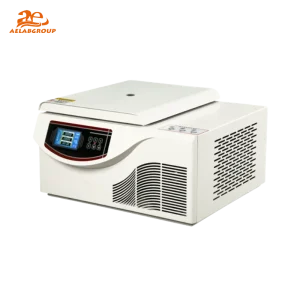
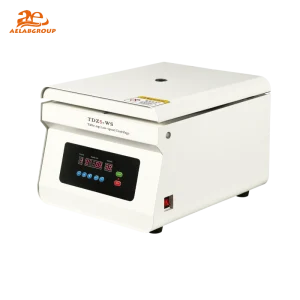
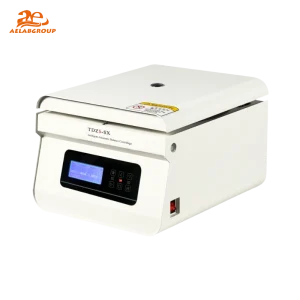
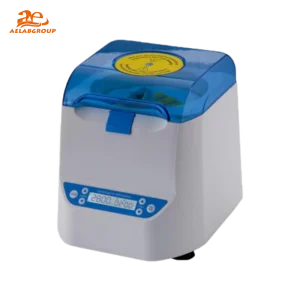
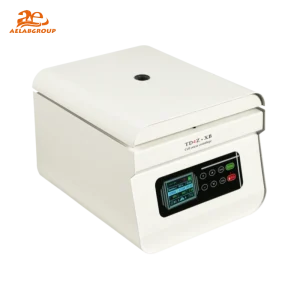
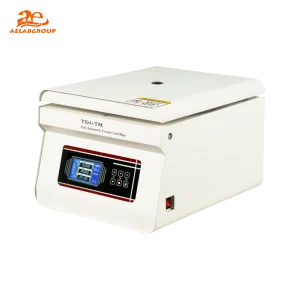
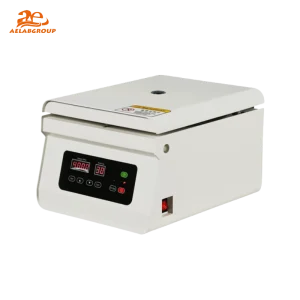
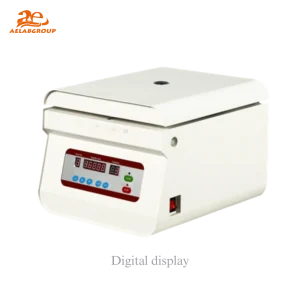
Benchtop Centrifuge
Introduction
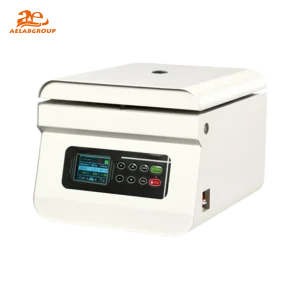
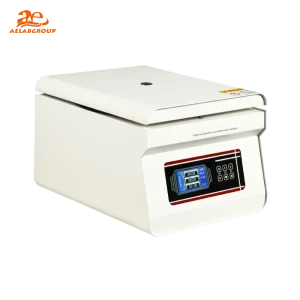
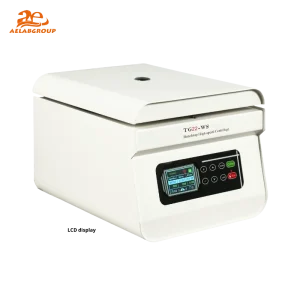
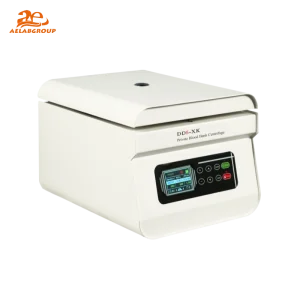
A benchtop centrifuge is a compact and high-performance laboratory instrument designed for sample separation in medical, biological, and industrial research. Built for convenience and efficiency, it fits easily on laboratory benches while delivering powerful and precise results. These centrifuges are essential tools in diagnostics, molecular biology, biotechnology, and pharmaceutical applications.
What Is a Benchtop Centrifuge?
A benchtop centrifuge separates components of a liquid sample based on density using centrifugal force. When samples are spun at high speeds, denser particles move outward while lighter components remain near the top. This process is vital for preparing plasma, purifying cells, and isolating biomolecules such as DNA, RNA, and proteins.
Devices in This Category
Microcentrifuges
Refrigerated Benchtop Centrifuges
High-Speed Benchtop Centrifuges
Clinical Benchtop Centrifuges
Universal Benchtop Centrifuges
Compact Personal Centrifuges
Technical Features and Specifications
Feature
Details
Speed Range
Up to 20,000 RPM depending on model
Relative Centrifugal Force (RCF)
Up to 25,000 × g
Rotor Type
Fixed-angle or swing-bucket rotors
Capacity
From 0.2 mL microtubes up to 250 mL bottles
Temperature Control
Optional refrigeration (-20°C to +40°C)
Display & Controls
Digital LCD with programmable settings
Safety Features
Imbalance detection, lid lock, and auto shut-off
Benefits
Compact and space-efficient design for laboratory benches
Rapid and precise sample separation
Energy-efficient and low-noise operation
Versatile rotor options for different tube sizes
Easy-to-use digital controls with programmable runs
Enhanced safety features for reliable performance
Applications and Tests
🔬 Molecular Biology
DNA and RNA extraction
Protein and enzyme purification
Cell fractionation and pelleting
🧪 Clinical Diagnostics
Blood plasma and serum separation
Urine sediment analysis
Diagnostic reagent preparation
🏭 Industrial & Pharmaceutical Labs
Quality control of formulations
Particle sedimentation studies
Nanoparticle and colloid analysis
🌱 Environmental & Agricultural Labs
Soil and water sample clarification
Microbial and plant cell separation
Monitoring contaminants in field samples
Benchtop Centrifuge vs. Floor-Standing Centrifuge
Aspect
Benchtop Centrifuge
Floor-Standing Centrifuge
Size
Compact, fits on benches
Large, occupies floor space
Capacity
Low to medium sample volume
High-volume processing
Speed Range
Up to 20,000 RPM
Up to 30,000 RPM or more
Portability
Easily movable and lightweight
Stationary
Ideal Use
Research, clinical, and routine lab tasks
Industrial-scale or high-throughput operations
Expert Tips for Choosing the Right Benchtop Centrifuge
Select the right rotor type based on sample tube sizes and volume.
Opt for a refrigerated model when working with temperature-sensitive materials.
Ensure digital speed and time controls for accuracy and repeatability.
Check for built-in safety features like imbalance detection and auto shut-off.
Verify the centrifuge’s maximum speed and RCF meet your experiment’s needs.
Maintenance Best Practices
Balance samples before operation to prevent rotor damage.
Clean the rotor and chamber regularly with mild detergents.
Inspect rubber seals and gaskets for wear and replace as needed.
Lubricate moving parts according to manufacturer recommendations.
Schedule annual calibration and servicing to maintain performance.
FAQ
Q: What is the main advantage of a benchtop centrifuge?
A: It provides high-speed sample separation in a compact, space-saving design suitable for most laboratory settings.
Q: Can a benchtop centrifuge handle temperature-sensitive samples?
A: Yes, refrigerated benchtop centrifuges are designed to maintain stable temperatures for biological or biochemical samples.
Q: What’s the difference between fixed-angle and swinging-bucket rotors?
A: Fixed-angle rotors are faster and suitable for pelleting, while swinging-bucket rotors are ideal for gradient separations and large-volume samples.
Q: How should I maintain my benchtop centrifuge?
A: Regular cleaning, balancing samples, and periodic calibration are essential to ensure optimal performance and longevity.