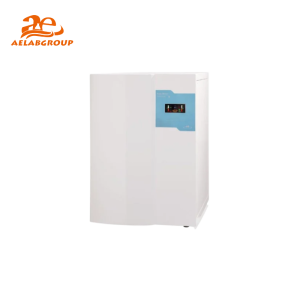
AELAB | Water Testing Equipment | Water Purification System
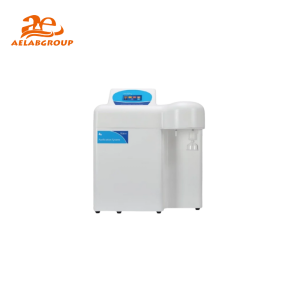
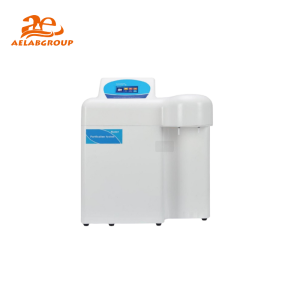
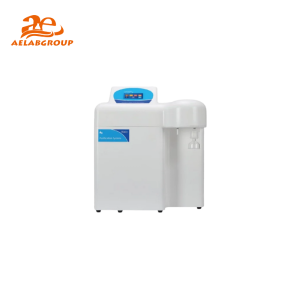
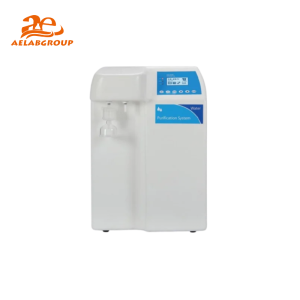
Water Purification System
Introduction
A Water Purification System ensures clean, safe, and great-tasting water for homes, industries, and laboratories. By removing harmful microorganisms, heavy metals, and chemical pollutants, these systems protect health, improve water quality, and meet regulatory standards for safe consumption and use.
What Is a Water Purification System?
A Water Purification System is a multi-stage setup that removes contaminants such as pathogens, chemicals, and sediments from water through physical, chemical, and biological processes. It delivers water that is safe for drinking, manufacturing, medical use, and environmental discharge. Simply put, a purification system transforms contaminated water into clean, safe, and palatable water by integrating advanced treatment technologies.
Devices in This Category
Reverse Osmosis (RO) Systems
Ultraviolet (UV) Sterilizers
Activated Carbon Filters
Ion Exchange Softeners
Ultrafiltration (UF) and Nanofiltration (NF) Units
Deionization (DI) and Distillation Systems
Technical Features and Specifications
FeatureDetails
Flow Rate50 GPD (residential) to 100,000+ GPD (industrial)
Filtration AccuracyUp to 0.0001 microns (RO membrane precision)
Water Recovery Rate50–85% depending on technology and system design
Energy Consumption0.5–5 kWh per 1000 gallons
Filter/Membrane Lifespan6 months to 5 years (usage dependent)
Disinfection MethodsUV light, chlorine dosing, ozone, or advanced oxidation
CertificationsNSF/ANSI, WQA, or ISO certification for safety and performance
Benefits
Removes harmful microorganisms, chemicals, and heavy metals.
Improves taste, odor, and clarity of water.
Protects plumbing and appliances from scaling and corrosion.
Ensures compliance with drinking water and industry standards.
Reduces reliance on bottled water, minimizing plastic waste.
Applications and Tests
🔬 Molecular Biology
Preparation of ultrapure water for reagents and buffersDNA/RNA extraction workflows requiring low TOC waterCell culture and media preparation
🧪 Clinical Diagnostics
Laboratory-grade water for analyzers and instrumentsSterile water generation for rinsing and testingCompliance with CLIA and USP water quality standards
🏭 Industrial & Food Testing
Ingredient water purification in food and beverage productionBoiler feed and cooling water treatmentElectronics and semiconductor process water
🌱 Environmental & Agricultural Labs
Irrigation and soil testing with purified waterGroundwater and surface water analysisEco-toxicological testing with contamination-free water
Water Purification vs. Water Filtration
AspectWater PurificationWater Filtration
ScopeRemoves physical, chemical, and biological contaminantsRemoves only physical particles
TechnologyRO, UV, ion exchange, carbon adsorption, multi-stageMechanical or sediment filters
Safety LevelProduces water safe for drinkingMay need further purification
CostHigher initial investmentLower, but limited performance
Use CaseDrinking, laboratory, industrial waterPre-filtration and general cleaning
Expert Tips for Choosing the Right Water Purification System
Test your water to identify contaminants before selecting a system.
Choose purification methods that match your application (RO for dissolved salts, UV for disinfection, carbon for taste/odor).
Check for NSF, WQA, or ISO certification for safety and reliability.
Consider operating costs including energy and filter replacements.
Ensure easy access for maintenance and availability of replacement parts.
Maintenance Best Practices
Replace filters and membranes according to manufacturer recommendations.
Sanitize the system periodically to prevent microbial buildup.
Inspect for leaks and ensure seals are intact.
Monitor water pressure and flow rate for efficiency.
Flush and clean storage tanks and pipes regularly.
FAQ
Q: What does a water purification system do?
A: It removes physical, chemical, and biological contaminants from water to make it safe for drinking, industrial use, or environmental release.
Q: How is purification different from filtration?
A: Filtration removes visible particles, while purification eliminates microorganisms, dissolved salts, and chemicals, producing safe potable water.
Q: How often should I replace filters?
A: Filter lifespan varies by use and water quality—typically every 6–12 months for households and more frequently for high-load industrial applications.
Q: Do purification systems waste water?
A: Some technologies like RO produce reject water, but modern systems recover up to 85% and can redirect waste for secondary uses.
Q: Are water purification systems eco-friendly?
A: Yes—by reducing bottled water dependency and improving water reuse, they support sustainable resource management.