AELAB | Water Testing Equipment | BOD/COD Analyzer
BOD/COD Analyzers
Introduction
BOD/COD analyzers are essential tools for wastewater and environmental monitoring. They measure the oxygen demand of organic matter in water, helping industries and municipalities maintain compliance with environmental regulations and protect ecosystems from pollution. These analyzers provide accurate, automated analysis critical for quality control and sustainability efforts.
What Is a BOD/COD Analyzer?
A BOD/COD Analyzer is an instrument designed to measure Biochemical Oxygen Demand (BOD) and Chemical Oxygen Demand (COD)—two key indicators of organic pollution in water. BOD measures the oxygen microorganisms need to decompose organic matter biologically, while COD quantifies the oxygen required for chemical oxidation of organic and inorganic matter. These analyzers are widely used in wastewater treatment plants, environmental agencies, industrial facilities, and research laboratories to ensure water quality and regulatory compliance.
Devices in This Category
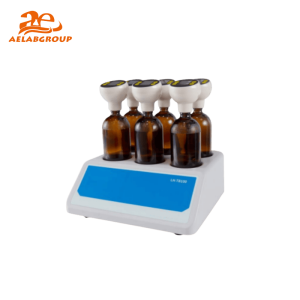
BOD Analyzer with automatic incubation system
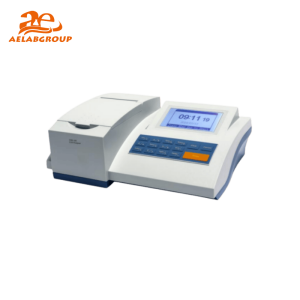
COD Reactor and Colorimeter System
Combined BOD/COD Analyzer (multi-parameter unit)
Portable BOD/COD Meter for field testing
Online COD Analyzer for continuous industrial monitoring
Automatic Digestion System for COD analysis
Technical Features and Specifications
FeatureDetails
Measurement RangeBOD: 0–400 mg/L (extendable); COD: 0–10,000 mg/L
Accuracy±5% typical precision under standard conditions
Automation LevelAutomatic digestion, dilution, and measurement cycles
Sample CapacityMulti-sample carousel or parallel digestion block
Data ConnectivityUSB, RS232, Ethernet; compatible with LIMS software
ComplianceEPA, ISO, CE standards; GLP/GMP traceability
InterfaceTouchscreen display with intuitive menus
Reagent HandlingClosed digestion and automatic reagent dosing options
Benefits
Provides accurate assessment of organic pollution in water.
Ensures wastewater discharge compliance with environmental standards.
Automated sample handling reduces human error and increases throughput.
Supports quality assurance in industrial and municipal water treatment.
Offers data logging and traceability for audits and reporting.
Applications and Tests
🔬 Molecular Biology
Evaluation of organic load in biological effluentsQuality testing of laboratory wastewaterMonitoring of microbial degradation performance
🧪 Clinical Diagnostics
Hospital wastewater monitoring before dischargeResearch on biodegradability of clinical wasteEnsuring safe effluent management in healthcare facilities
🏭 Industrial & Food Testing
Textile, paper, and chemical industry effluent testingFood processing wastewater analysisContinuous COD monitoring for process optimization
🌱 Environmental & Agricultural Labs
River and lake pollution assessmentSoil leachate and runoff quality evaluationCompliance testing for environmental permits
BOD vs. COD
AspectBOD (Biochemical Oxygen Demand)COD (Chemical Oxygen Demand)
Measurement PrincipleBiological decomposition by microorganismsChemical oxidation using strong oxidants
Time Required~5 days (BOD₅ method)2–3 hours
Reagents UsedNone (biological incubation)Potassium dichromate, sulfuric acid, catalyst
IndicatesBiodegradable organic contentTotal organic load (biodegradable + non)
ApplicationsLong-term environmental monitoringRapid industrial and regulatory testing
Expert Tips for Choosing the Right BOD/COD Analyzer
Select a model with measurement range suited to your sample pollution level.
Ensure closed digestion and safety features for handling COD reagents.
Look for ISO, EPA, or CE certification for regulatory compliance.
Consider automation and sample throughput requirements.
Choose analyzers compatible with LIMS or digital data management systems.
Maintenance Best Practices
Calibrate the analyzer regularly with certified standards.
Clean digestion tubes, cuvettes, and probes after each use.
Use high-quality reagents and store them in cool, dark environments.
Check and replace seals, catalysts, and tubing as recommended.
Document calibration, maintenance, and control test results for QA records.
FAQ
Q: What is the main difference between BOD and COD?
A: BOD measures oxygen consumption by biological decomposition, while COD measures oxygen required for chemical oxidation of organic matter—offering faster, broader results.
Q: Why are both BOD and COD important?
A: BOD helps understand biodegradability and long-term impact, whereas COD gives rapid insights into total organic load for immediate process control.
Q: Are COD reagents hazardous?
A: Yes, dichromate-based reagents are toxic and corrosive; analyzers with closed digestion and fume extraction improve operator safety.
Q: How often should the analyzer be maintained?
A: Preventive maintenance every few months ensures accuracy—especially cleaning digestion units and recalibrating optical sensors.
Q: What are future trends in BOD/COD analysis?
A: Emerging systems feature AI-driven data handling, portable analyzers, and green chemistry methods to reduce reagent hazards and analysis time.