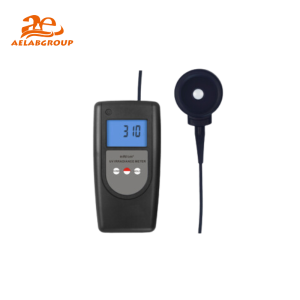
AELAB | Environmental Testing Equipment | Ozone Analyzer
Ozone Analyzer
Introduction
An Ozone Analyzer measures ozone (O₃) concentrations to protect public health, optimize industrial processes, and ensure regulatory compliance. Deployed in environmental networks, laboratories, and factories, Ozone Analyzer systems provide the real-time insight needed to keep ground-level ozone within safe limits.
What Is Ozone Analyzer?
An ozone analyzer is a device that quantifies ozone in air using detection technologies such as UV absorption (254 nm), electrochemical cells, photometric reagent-based methods, or fluorescence. These instruments support ambient air quality monitoring, industrial hygiene, and process control by delivering accurate, continuous measurements and actionable alarms for compliance with air quality standards.
Devices in This Category
UV absorption ozone analyzers for ambient monitoring
Electrochemical portable ozone analyzers for field surveys
Photometric ozone analyzers for real-time outdoor/industrial use
Fluorescence-based trace ozone analyzers (high sensitivity)
Fixed indoor/area ozone monitors integrated with building systems
Online ozone analyzers for process and emissions control
Technical Features and Specifications
FeatureDetails
Detection MethodsUV absorption (254 nm), Electrochemical, Photometric (reagent-based), Fluorescence
Measurement RangeTypical ambient ranges from ppb to low ppm; extended ppm ranges for industrial/process applications
Accuracy & PrecisionHigh accuracy suitable for regulatory monitoring (method & model dependent)
Response TimeReal-time/near real-time reporting (technology dependent)
Outputs & ConnectivityAnalog 4–20 mA, digital (Modbus/RS485/Ethernet), alarm relays; data logging
PortabilityHandheld/battery-powered options for field use; benchtop and rack-mounted for fixed stations
Operating ConditionsDesigned for ambient networks, laboratories, and industrial environments; appropriate sampling and filtration recommended
Maintenance & CalibrationRoutine zero/span checks, certified calibration gases or transfer standards; periodic sensor/reagent replacement
Benefits
High-accuracy ozone measurement for reliable compliance reporting
Real-time monitoring to trigger timely mitigation and alerts
Supports air quality management and pollution control strategies
Flexible formats for portable surveys and fixed network deployments
Integration with environmental and process control systems
Applications and Tests
🔬 Molecular Biology
Monitoring ozone used for lab surface/air sanitation
Verifying fume hood and room ozone levels to protect experiments
Instrument calibration for low-level O₃ interference studies
🧪 Clinical Diagnostics
Indoor air quality checks in clinical labs and hospital facilities
Alarmed monitoring to protect staff and sensitive equipment
Integration with building management systems for ventilation control
🏭 Industrial & Food Testing
Process control where ozone is used for oxidation or sanitation
Leak detection around ozone generators and contact chambers
Quality assurance in food processing and cold storage sanitation
🌱 Environmental & Agricultural Labs
Ambient air monitoring networks for ground-level ozone
Smog and photochemical pollution studies
Impact assessments on vegetation and crop yields
Ozone Analyzer vs. General Gas Detector
AspectOzone AnalyzerGeneral Gas Detector
SpecificityOptimized for O₃; method-specific calibrationMulti-gas capable; less precise for ozone
SensitivityHigh (ppb-level with UV/fluorescence)Moderate; typically higher detection limits
Monitoring ModeContinuous, real-time trending and reportingOften alarm-only or periodic sampling
Compliance UseSuitable for regulatory networksLimited compliance applicability
CostHigher, with precision and loggingLower, but less accurate for O₃
Expert Tips for Choosing the Right Ozone Analyzer
Select the detection method that matches your sensitivity needs (UV/fluorescence for high precision; electrochemical for portable checks).
Confirm the measurement range covers expected ambient or process concentrations.
Evaluate sampling setup (inlet location, filtration, line materials) to minimize interferences.
Ensure data logging and remote connectivity for audits and real-time decision-making.
Plan for maintenance—access to consumables, easy calibration ports, and clear diagnostics.
Maintenance Best Practices
Calibrate regularly using certified standards or transfer references.
Place sample inlets away from local sources and contaminants; verify representativeness.
Inspect and replace filters/reagents; clean sampling lines to prevent losses or artifacts.
Verify zero/span and alarms periodically; document all service events.
Protect instruments from moisture and temperature extremes per manufacturer guidance.
FAQ
Q: How does a UV absorption ozone analyzer work?
A: It measures ozone’s absorption of 254 nm ultraviolet light; the reduction in light intensity through a sample cell is proportional to O₃ concentration.
Q: Which ozone analyzer technology offers the highest sensitivity?
A: UV absorption and fluorescence methods typically provide ppb-level sensitivity suitable for regulatory ambient monitoring.
Q: Are portable ozone analyzers accurate enough for field work?
A: Yes—electrochemical and compact UV-based units can deliver reliable field data when properly calibrated and maintained.
Q: How often should an ozone analyzer be calibrated?
A: Follow manufacturer recommendations and site conditions; routine zero/span checks and periodic full calibrations ensure long-term accuracy.