AELAB | Agricultural Testing Instruments | Thickness Gauge
Thickness Gauge
Introduction
A Thickness Gauge is a critical precision instrument used across industries like manufacturing, automotive, aerospace, and coatings. It measures the thickness of materials and coatings to ensure consistency, safety, and compliance with quality standards. Whether assessing metal integrity, paint uniformity, or material wear, thickness gauges deliver fast, accurate, and non-destructive results for both field and laboratory applications.
What Is a Thickness Gauge?
A Thickness Gauge is an instrument that measures the thickness of a surface or material—ranging from metals and plastics to coatings, films, and rubber. Depending on the application, various technologies are available, such as ultrasonic, magnetic, eddy current, and mechanical types. These instruments are indispensable for quality assurance, material inspection, and research analysis.
📌 Featured Snippet Answer: A thickness gauge is a precision instrument used to measure the thickness of materials or coatings without damaging the surface, commonly used in manufacturing, automotive, and quality control industries.
Devices in This Category
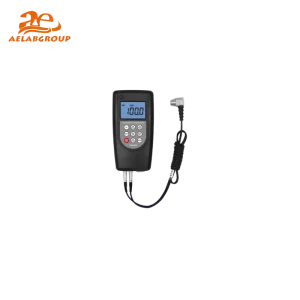
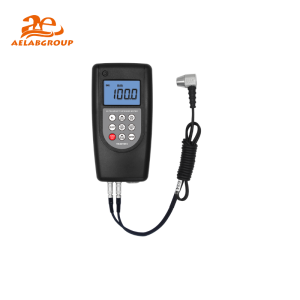
Ultrasonic Thickness Gauge
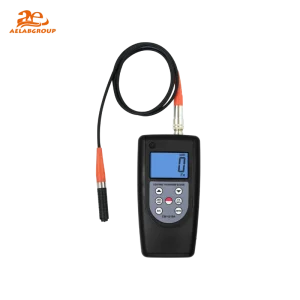
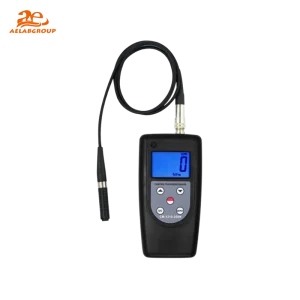
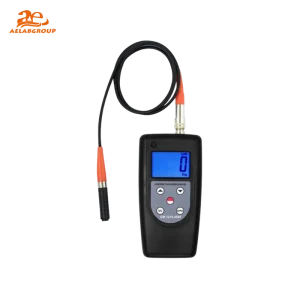
Coating Thickness Gauge
Magnetic Induction Thickness Gauge
Eddy Current Coating Gauge
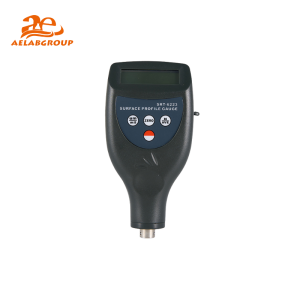
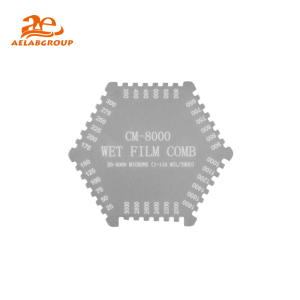
Mechanical Thickness Gauge (Micrometer / Caliper)
Digital Film Thickness Tester
Types of Thickness Gauges
1️⃣ Ultrasonic Thickness Gauge
Use Case: Non-destructive testing (NDT) of metals, plastics, and composites.
Working Principle: Emits ultrasonic sound waves into the material and measures the time for the echo to return. The device calculates thickness using the known sound velocity of the material.
✅ Works on one-sided access (no need to expose both sides)
✅ Non-destructive and suitable for coated materials
✅ High accuracy and ideal for corrosion testing
2️⃣ Coating Thickness Gauge
Use Case: Measures paint, powder, or coating thickness on metals (steel, aluminum, etc.).
Magnetic Induction – for ferrous substrates (steel)
Eddy Current – for non-ferrous substrates (aluminum, copper)
Some advanced models combine both technologies for multi-surface testing.
3️⃣ Mechanical Thickness Gauge
Use Case: Manual measurement of soft materials like paper, rubber, or plastic film.
Common Tools: Micrometers, Vernier Calipers, Dial Thickness Gauges
Ideal for laboratory and QA testing environments
Technical Features and Specifications
SpecificationDescription
Accuracy±1% or better for precision testing
ResolutionAs low as 0.001 mm (model dependent)
Measurement Range0.1 μm to several centimeters
Data Storage & OutputInternal memory with USB/Bluetooth data export
DisplayBacklit LCD or touchscreen interface
CalibrationSingle-point, two-point, or multi-material calibration
PortabilityCompact, battery-powered for fieldwork
Applications of Thickness Gauges
Automotive: Check paint uniformity, corrosion, and coating thickness
Manufacturing: Verify material conformity and part uniformity
Aerospace: Inspect aircraft skin and composite structures
Marine & Shipbuilding: Monitor corrosion and hull integrity
Pipeline & Oil Industry: Perform NDT inspections on metal thickness and wear
Electronics & Coatings: Measure thin films, plating, and anodizing layers
Comparison: Ultrasonic vs. Coating Thickness Gauges
FeatureUltrasonic GaugeCoating Thickness Gauge
Measurement MaterialMetal, plastic, compositesPaint, powder, coatings
Substrate RequirementIndependent of substrateDependent on magnetic/electrical properties
Non-Destructive✅ Yes✅ Yes
Price RangeMedium to HighLow to Medium
Use CasesStructural inspection, NDTCoating quality verification
Expert Tips for Using a Thickness Gauge
Calibrate before each use with certified reference blocks.
Clean the measurement surface to remove debris or oil.
Use coupling gel with ultrasonic gauges for better signal accuracy.
Take multiple readings and average them for reliable data.
Record data digitally for traceability and quality audits.
Maintenance & Best Practices
Inspect probes and sensors regularly for wear or damage.
Store instruments in a temperature-controlled environment.
Replace couplant or contact tips when degraded.
Update firmware for smart digital gauges to maintain performance.
FAQ
Q: Can a thickness gauge measure through paint?
A: Yes. Ultrasonic thickness gauges with “echo-to-echo” functionality can measure metal thickness beneath paint or coatings without removing the surface layer.
Q: What’s the difference between a micrometer and a thickness gauge?
A: A micrometer is a mechanical device for highly precise surface measurements, while a thickness gauge—especially ultrasonic types—can measure internal or coated thicknesses non-destructively.
Q: Do thickness gauges require calibration?
A: Yes. Regular calibration ensures accuracy and compliance with ISO or ASTM standards, especially in regulated industries.
Q: Are digital gauges suitable for outdoor or field use?
A: Many modern digital models are designed to be waterproof, shock-resistant, and portable for harsh field environments.