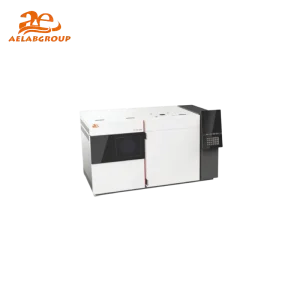
AELAB | Analytical Equipment | Gas Chromatography (GC/GC-MS)
Gas Chromatography (GC) and Gas Chromatography–Mass Spectrometry (GC-MS)
Introduction
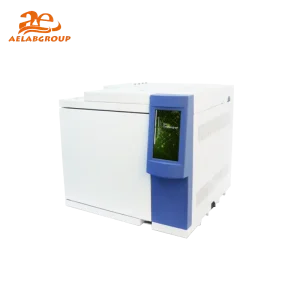
Gas Chromatography (GC) and Gas Chromatography–Mass Spectrometry (GC-MS) are powerful analytical tools used in laboratories to separate and identify compounds with high precision. These techniques are indispensable for applications in environmental analysis, food testing, and forensic investigations.
What Is Gas Chromatography (GC)?
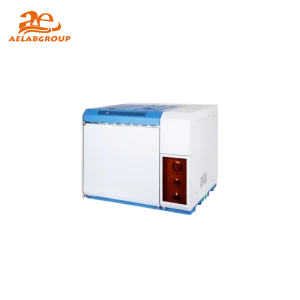
Gas Chromatography (GC) is an analytical technique used to separate and analyze compounds that can be vaporized without decomposition. It is especially powerful for detecting volatile and semi-volatile organic compounds by utilizing a chromatographic column and detectors like FID or TCD to measure the retention times of compounds.
What Is GC-MS?
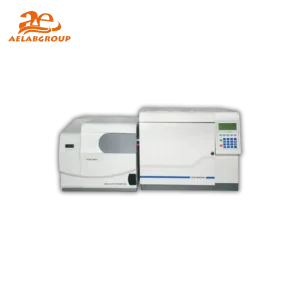
Gas Chromatography–Mass Spectrometry (GC-MS) combines the separation capabilities of GC with the identifying power of mass spectrometry. After separation in the GC column, compounds are detected and identified by their mass spectrum, providing both qualitative and quantitative analysis with unmatched sensitivity.
Devices in This Category
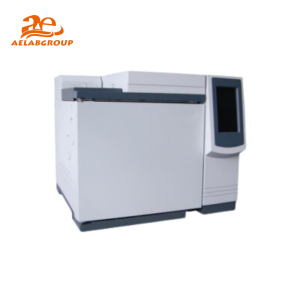
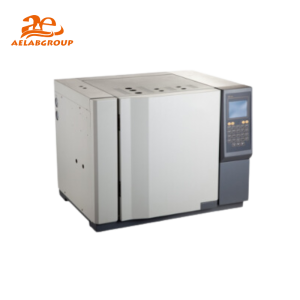
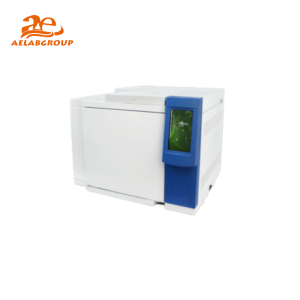
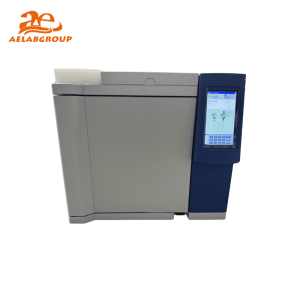
Gas Chromatographs (GC)
Gas Chromatograph-Mass Spectrometers (GC-MS)
Headspace GC Systems
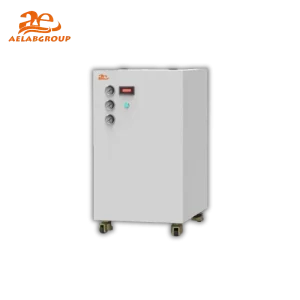
GC Detectors (FID, ECD, TCD)
Technical Features and Specifications
Feature
Details
Column Type
Capillary or packed columns
Carrier Gas
Helium, nitrogen, or hydrogen
Ionization Method
Electron Impact, Chemical Ionization
Mass Analyzer Type
Quadrupole, Time-of-Flight
Detection Sensitivity
Moderate to very high (trace-level with GC-MS)
Analysis Time
5–30 minutes per run
Software
Spectral libraries for compound identification (e.g., NIST)
Benefits
High resolution separation and fast analysis times
Ideal for analyzing volatile and semi-volatile compounds
GC-MS offers unmatched specificity and sensitivity for trace-level analysis
Capable of identifying unknown compounds in complex matrices
Applications and Tests
🔬 Molecular Biology
Drug screening
Pesticide residue testing in biological samples
🧪 Clinical Diagnostics
Clinical toxicology analysis
Identifying biomarkers for diseases
🏭 Industrial & Food Testing
Food flavor profiling and preservative testing
Environmental pollutant detection
🌱 Environmental & Agricultural Labs
Soil and water contamination analysis
Volatile organic compound detection in air samples
GC vs GC-MS
Aspect
GC Only
GC-MS
Cost
Lower initial investment
Higher due to MS component
Detection Sensitivity
Moderate to high
Very high (trace-level)
Qualitative Capabilities
Limited (peak retention only)
Excellent (mass spectrum ID)
Sample Complexity
Good for simple/known mixtures
Ideal for unknown or complex mixtures
Application Fit
Routine quality control, food labs
Research, forensics, environmental labs
Expert Tips for Getting the Best Results
Use headspace sampling for volatile compounds to avoid column contamination.
Choose a column with the right stationary phase for your sample's polarity.
Optimize your oven temperature program by starting low and ramping gradually.
Consult spectral libraries (like NIST) for faster identification of compounds.
Automate sampling and data collection to improve reproducibility and throughput.
Maintenance Best Practices
Regularly clean and maintain the chromatographic column to prevent clogging.
Check and replace detector components as needed to ensure accuracy.
Calibrate your GC and GC-MS systems to ensure consistent results.
Store your GC-MS system in a dust-free environment when not in use.
Inspect and replace any damaged parts, including seals and filters, to prevent leaks.
FAQ
Q: What gases are used in GC?
A: Typically helium, nitrogen, or hydrogen. Helium is common for its inertness and optimal flow characteristics.
Q: Is GC-MS suitable for non-volatile compounds?
A: No. GC and GC-MS are best for compounds that can be vaporized without decomposition. For non-volatile analytes, consider LC-MS instead.
Q: How long does a GC or GC-MS analysis take?
A: Most runs take 5–30 minutes, depending on the complexity of the sample and column type.