AELAB | Laboratory Equipment | Gloss Meter
Gloss Meter
Introduction
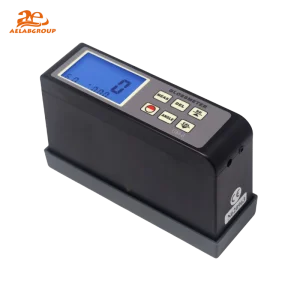
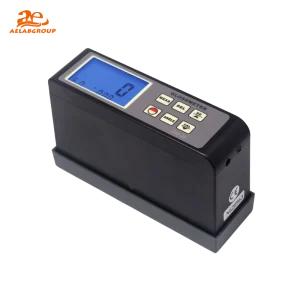
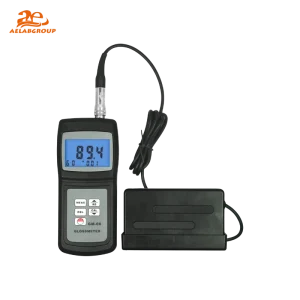
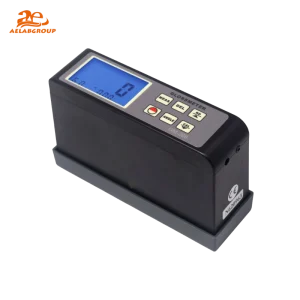
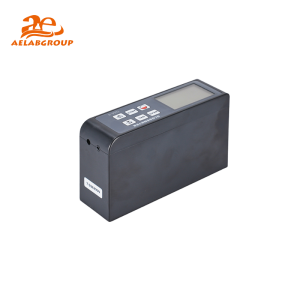
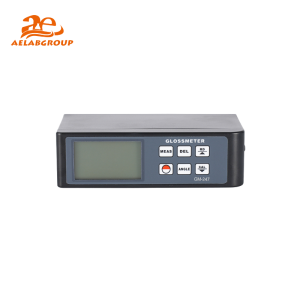
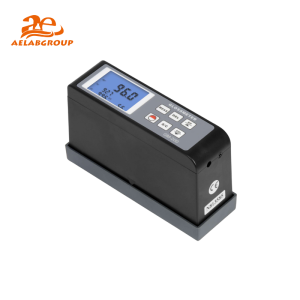
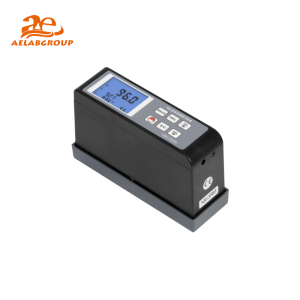
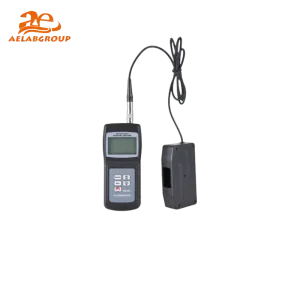
A Gloss Meter is a precise optical instrument used to quantify surface reflectivity and shine. In industries like automotive, coatings, plastics, and electronics, gloss measurement directly correlates with product quality and customer perception, making the gloss meter an essential tool for surface inspection and finish control.
What Is Gloss Meter?
A gloss meter measures the amount of light reflected from a surface at a specific geometry, expressed in gloss units (GU). It provides objective data to evaluate how shiny or reflective a material appears. Using a calibrated light source and detector, it assesses gloss levels at standard angles of 20°, 60°, or 85° to match the surface’s reflectivity profile.
Devices in This Category
Single-Angle Gloss Meter (60°)
Tri-Angle Gloss Meter (20°, 60°, 85°)
Portable Handheld Gloss Meter
Benchtop Precision Gloss Meter
Online/Inline Gloss Measurement System
Non-Contact Laser Gloss Meter
Technical Features and Specifications
FeatureDetails
Measurement Angles20°, 60°, 85° (high, medium, and matte gloss levels)
Measurement Range0–2000 Gloss Units (GU)
Light SourceLED or tungsten lamp with fixed geometry
DisplayDigital LCD or color touchscreen interface
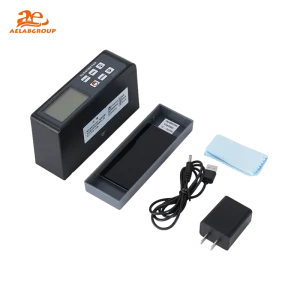
CalibrationCertified black glass standard included
Data StorageInternal memory with USB/Bluetooth transfer
StandardsASTM D523, ISO 2813, DIN 67530 compliant
Power SupplyRechargeable battery or AC adapter
Benefits
Provides objective, quantifiable gloss data eliminating human bias.
Ensures compliance with global standards like ASTM D523 and ISO 2813.
Delivers fast, repeatable, and traceable results for quality assurance.
Improves batch-to-batch consistency in production lines.
Enables real-time surface evaluation for process optimization.
Applications and Tests
🔬 Molecular Biology
Surface gloss inspection of lab-coated instruments or glass slides
Monitoring reflective coatings on diagnostic components
🧪 Clinical Diagnostics
Quality control of device casings and analytical instrument surfaces
Verification of display or sensor panel finishes for consistency
🏭 Industrial & Food Testing
Gloss uniformity checks in automotive and paint industries
Plastic mold finish and surface texture evaluation
Packaging sheen control for printed and laminated products
🌱 Environmental & Agricultural Labs
Inspection of coating gloss on sampling devices
Surface assessment of protective finishes on equipment housings
Gloss Meter vs. Visual Inspection
AspectGloss MeterVisual Inspection
Measurement TypeObjective and quantitativeSubjective and qualitative
RepeatabilityHigh; standardized readingsLow; influenced by lighting and observer
Environmental InfluenceMinimal; controlled geometryHigh; dependent on ambient conditions
Data OutputNumerical gloss units (GU)Visual perception only
Standard ComplianceASTM, ISO compliantNon-standardized
Expert Tips for Choosing the Right Gloss Meter
Select the correct measurement geometry (20°, 60°, or 85°) based on your surface type.
Ensure compliance with relevant international gloss measurement standards.
Opt for multi-angle models if handling diverse materials or finishes.
Look for devices with data logging and software integration for QC documentation.
Choose a robust design suitable for your environment—lab, production floor, or field use.
Maintenance Best Practices
Calibrate daily or before each measurement session using certified gloss tiles.
Keep the measurement lens and calibration tile clean and free of fingerprints.
Store the device in a dust-free case to prevent optical contamination.
Update firmware and calibration records regularly to maintain traceability.
Avoid exposing the sensor to excessive humidity or temperature extremes.
FAQ
Q: What is a good gloss value?
A: It varies by application: below 10 GU indicates matte, 10–70 GU is semi-gloss, and above 70 GU is high gloss.
Q: Can I measure curved surfaces with a gloss meter?
A: Most devices are designed for flat surfaces. For curved or textured materials, use specialized adapters or non-contact gloss meters.
Q: Are gloss meters easy to use?
A: Yes, modern models feature intuitive interfaces and automatic calibration, making them simple to operate.
Q: Which standards apply to gloss measurement?
A: Common standards include ASTM D523, ISO 2813, and DIN 67530, which define measurement geometry and calibration procedures.