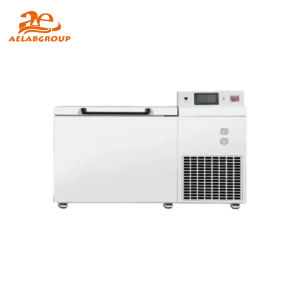
AELAB | Themostat Equipment | Ice Maker/Freezer
Ice Maker/Freezer
Introduction
Ice Makers and Freezers are essential refrigeration tools for laboratories, medical facilities, and commercial environments where temperature stability is vital. While ice makers provide a continuous supply of clean, ready-to-use ice, freezers ensure reliable long-term storage for temperature-sensitive samples, reagents, and products. Together, they form the backbone of efficient cold-chain management and scientific preservation.
What Is an Ice Maker?
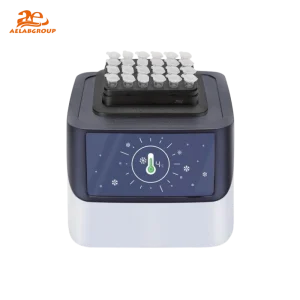
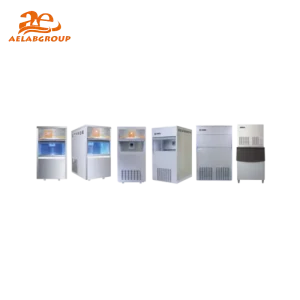
An Ice Maker is a machine that automatically freezes water to form ice cubes, flakes, or nuggets. These units are indispensable in laboratories, hospitals, and hospitality settings where a hygienic and consistent ice supply is required for cooling, preservation, and service applications.
Automatic water intake and freezing cycle
Built-in storage bins for collected ice
Available in cube, flake, or nugget ice types
Production capacities from 20 kg to 100+ kg per 24 hours
Common Applications: Cooling reagents in labs, preserving samples in medical facilities, and beverage service in commercial kitchens.
What Is a Freezer?
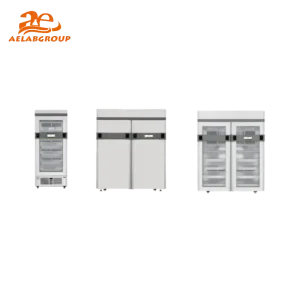
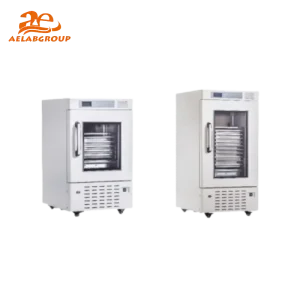
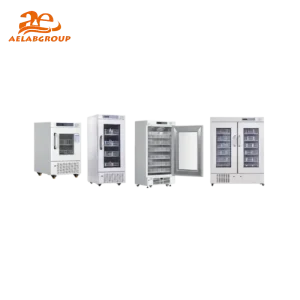
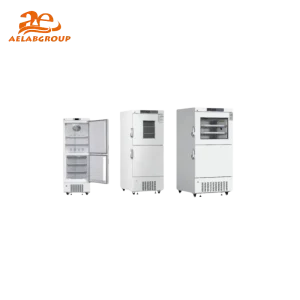
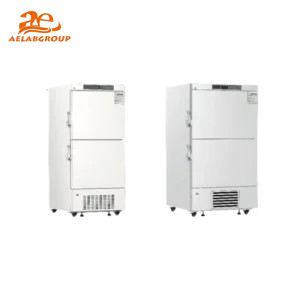
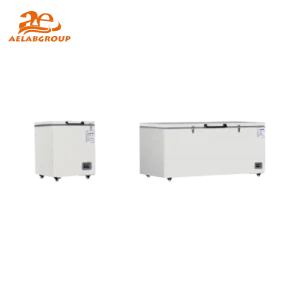
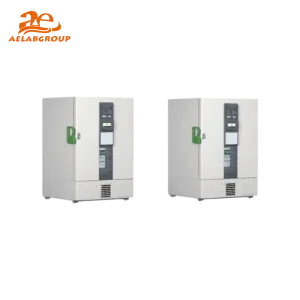
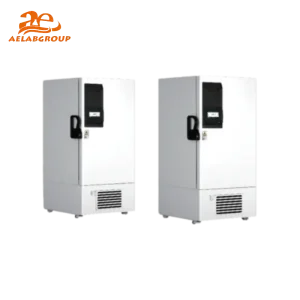
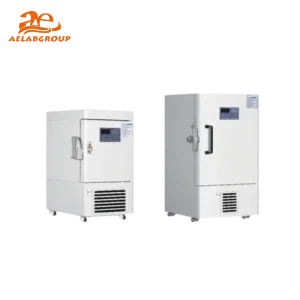
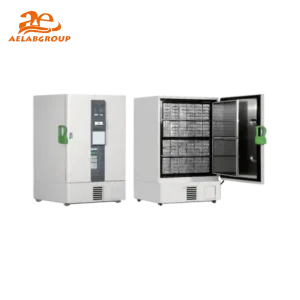
A Freezer is a refrigeration unit designed to store materials at subzero temperatures, typically from -20°C to -86°C. It ensures long-term preservation of biological samples, chemicals, and food items by preventing degradation and microbial growth.
Adjustable temperature range below 0°C
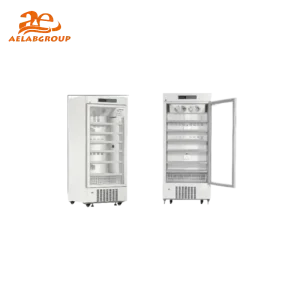
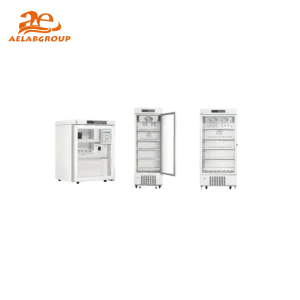
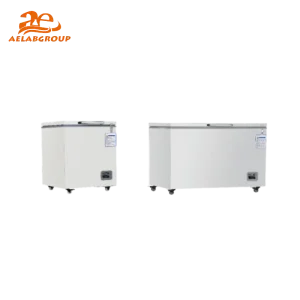
Upright or chest configurations available
Manual or automatic defrost options
Digital temperature control with alarm systems
Common Applications: Storage of biological samples, vaccines, reagents, and frozen foods in scientific, pharmaceutical, and food service industries.
Technical Features and Specifications
FeatureIce MakerFreezer
Temperature Range0°C to -5°C-20°C to -86°C
Primary FunctionIce productionLong-term freezing and preservation
ConfigurationBuilt-in ice binUpright or chest freezer with shelves/baskets
MaterialStainless steel exterior, ABS linerInsulated steel body with inner liner
Control SystemDigital or mechanical thermostatDigital controller with alarms and monitoring
MaintenanceRequires regular cleaning for hygienePeriodic defrosting and temperature validation
Benefits
Ensures reliable cooling and freezing for temperature-sensitive materials.
Maintains product integrity and safety in scientific and commercial settings.
Reduces waste and operational downtime through efficient temperature control.
Provides energy-efficient, user-friendly design with minimal maintenance needs.
Enhances workflow consistency in research, healthcare, and food industries.
Applications and Tests
🔬 Molecular Biology
Preservation of DNA, RNA, and enzyme samples
Cold storage of buffers and reagents
Preparation of ice for temperature-sensitive assays
🧪 Clinical Diagnostics
Storage of biological samples and plasma
Maintaining vaccine and medication stability
Ice production for cryotherapy and specimen cooling
🏭 Industrial & Food Testing
Cold storage for perishable ingredients and test samples
Monitoring freezing effects on product quality
Producing ice for process cooling and transport
🌱 Environmental & Agricultural Labs
Preserving soil and plant extracts
Sample freezing for long-term environmental studies
Maintaining reagents for field research
Ice Maker vs. Freezer
AspectIce MakerFreezer
Primary FunctionProduces ice for coolingStores materials at freezing temperatures
Temperature Range0°C to -5°C-20°C to -86°C
Storage TypeIce binShelves or baskets
Use CaseShort-term coolingLong-term preservation
MaintenanceFrequent cleaning requiredRegular defrost and temperature monitoring
ApplicationsLab cooling, beverage serviceSample and reagent storage
Expert Tips for Choosing the Right Cooling Equipment
Determine your primary use: ice production or sample preservation.
Check temperature range compatibility with your materials.
For ice makers, evaluate daily ice output and ice type.
For freezers, prioritize energy efficiency and alarm systems.
Ensure proper ventilation and avoid installing near heat sources.
Maintenance Best Practices
Clean ice makers every 1–2 weeks to prevent biofilm buildup.
Defrost freezers regularly to maintain efficiency.
Monitor temperature logs daily for laboratory or medical storage.
Use a voltage stabilizer or UPS for critical storage systems.
Check door seals and drainage systems for leaks or wear.
FAQ
Q: What is the main difference between an ice maker and a freezer?
A: An ice maker produces ice for immediate use, while a freezer maintains subzero temperatures for long-term storage of samples or materials.
Q: How often should I clean my ice maker?
A: Clean the ice maker every 1–2 weeks to prevent mineral buildup and microbial contamination.
Q: What temperature should a laboratory freezer maintain?
A: Most lab freezers operate at -20°C, while ultra-low freezers reach -80°C for long-term biological sample preservation.
Q: Can an ice maker replace a freezer?
A: No. Ice makers are designed for short-term ice production, not for freezing or storing samples and reagents long-term.