AELAB | Analytical Equipment | Flow Meter
Flow Meter
Introduction
A flow meter is a critical instrument used to measure the flow of liquids or gases in various industrial and scientific applications. Modern flow meter technologies enable precise monitoring, improved efficiency, and enhanced process control. Understanding their types and functions helps users choose the best model for their operational needs.
What Is Flow Meter?
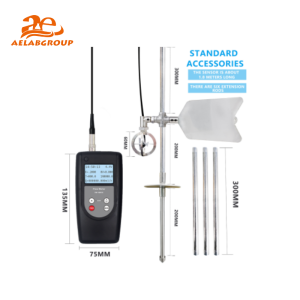
A flow meter measures the flow rate or total volume of a fluid moving through a pipe or channel. Depending on the operating principle—mechanical displacement, pressure differential, electromagnetic, ultrasonic, or thermal—flow meters provide real-time data for monitoring, controlling, and optimizing fluid processes across industries.
Devices in This Category
Electromagnetic Flow Meter (Mag Meter)
Ultrasonic Flow Meter (Clamp-on & Inline)
Turbine Flow Meter
Coriolis Mass Flow Meter
Thermal Mass Flow Meter
Variable Area Flow Meter (Rotameter)
Technical Features and Specifications
Feature
Details
Measurement Types
Volumetric, mass flow, total flow, velocity
Working Principles
Mechanical, differential pressure, electromagnetic, ultrasonic, thermal
Fluid Compatibility
Liquids, gases, conductive/non-conductive fluids
Accuracy Range
High-precision options with low error margins (varies by type)
Installation Type
Inline, insertion, clamp-on models available
Output Signals
4–20 mA, Modbus, pulse, wireless/IoT options
Maintenance Needs
Minimal for non-invasive designs; mechanical types require periodic calibration
Benefits
Enhanced measurement accuracy across diverse fluid types
Improved operational efficiency and reduced waste
Supports regulatory compliance and reporting
Increases process safety and reduces equipment failure
Lower long-term costs through optimized energy and resource use
Applications and Tests
🔬 Molecular Biology
Precise liquid handling in bioprocessing
Buffer and reagent flow monitoring
Control of CIP fluid circulation
🧪 Clinical Diagnostics
Automated analyzer fluid flow monitoring
Gas and liquid control in diagnostic instruments
Accurate dosing of reagents and chemicals
🏭 Industrial & Food Testing
Fuel consumption monitoring
Syrup, beverage, and dairy production
Process control in petrochemical lines
🌱 Environmental & Agricultural Labs
Water distribution monitoring
Sewage and wastewater flow measurement
Nutrient solution flow in controlled agriculture
Flow Meter vs. Flow Sensor
Aspect
Flow Meter
Flow Sensor
Measurement
Flow rate + total flow
Flow rate only
Complexity
More advanced
Simpler design
Output
Digital/analog
Often analog
Use Case
Industrial processes
Embedded systems
Expert Tips for Choosing the Right Flow Meter
Identify whether the fluid is a gas or liquid and note its cleanliness and conductivity.
Define the desired measurement type—mass, volumetric, or total flow.
Check pipe size, installation constraints, and environmental conditions.
Evaluate maintenance requirements and acceptable downtime.
Ensure compatibility with required output signals or smart connectivity features.
Maintenance Best Practices
Perform periodic calibration, especially for mechanical and high-precision devices.
Inspect for buildup, blockages, or corrosion in fluid pathways.
Ensure correct sensor alignment and grounding to prevent reading errors.
Monitor for vibration or electromagnetic interference in sensitive installations.
Keep firmware and digital interfaces updated when applicable.
FAQ
Q: What type of flow meter is best for water?
A: Electromagnetic and ultrasonic flow meters are the most common due to their accuracy and compatibility with water systems.
Q: Can flow meters measure gas?
A: Yes, thermal mass, Coriolis, and ultrasonic flow meters can accurately measure gas flow rates.
Q: Do flow meters require calibration?
A: Most industrial flow meters benefit from periodic calibration to maintain precision and performance.
Q: Are clamp-on flow meters accurate?
A: Modern ultrasonic clamp-on meters can be highly accurate when installed correctly and used under proper conditions.