AELAB | Laboratory Equipment | Pipette Manual | Page 2
Manual Pipette
Introduction
A Manual Pipette is an essential laboratory instrument for precise liquid handling. Used across biological, chemical, and diagnostic labs, manual pipettes offer exceptional accuracy, affordability, and control. Despite increasing automation, they remain a cornerstone of scientific precision and repeatable measurements.
What Is Manual Pipette?
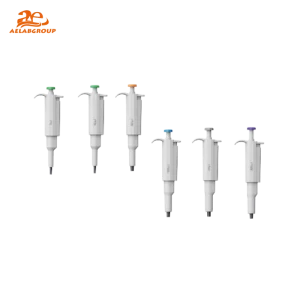
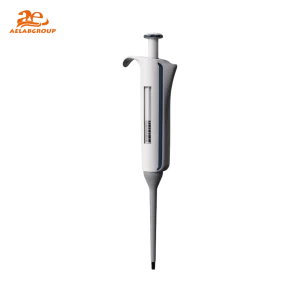
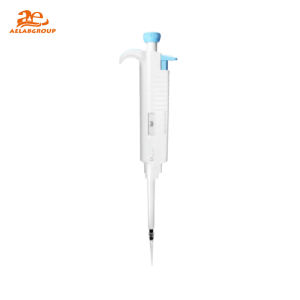
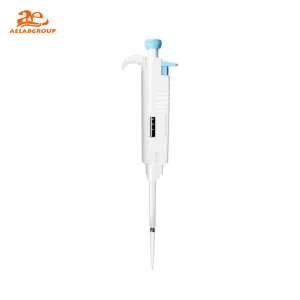
A manual pipette is a hand-operated air displacement device used to aspirate and dispense measured liquid volumes. It typically includes a plunger button, volume adjustment knob, tip ejector, and shaft for attaching disposable tips. Available in various configurations, manual pipettes support routine and advanced applications in research, diagnostics, and industrial quality control.
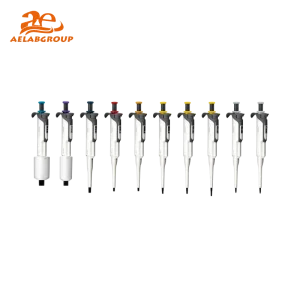
Devices in This Category
Single-Channel Manual Pipette
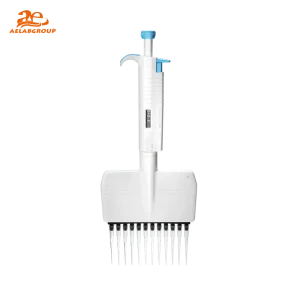
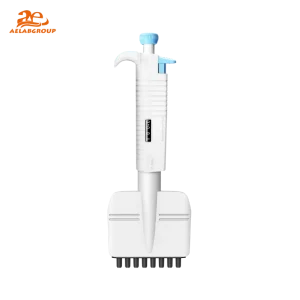
Multi-Channel Manual Pipette (8 or 12 channels)
Fixed Volume Pipette
Adjustable Volume Pipette
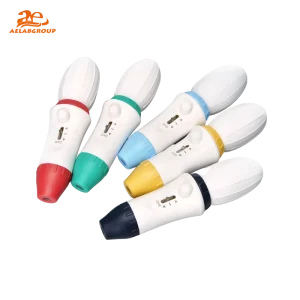
Micropipette (Micro-Volume)
Macropipette (Large Volume)
Technical Features and Specifications
FeatureDetails
Volume Range0.1 µL – 10 mL (depending on model)
AccuracyWithin ±1% of set volume (typical)
MechanismAir displacement for liquid transfer
MaterialDurable polymer with autoclavable parts
ErgonomicsLightweight, low plunger resistance design
Tip CompatibilityUniversal or brand-specific disposable tips
CalibrationManual or digital fine-tuning adjustments
SterilityAutoclavable components for sterile use
Benefits
Delivers precise and repeatable liquid measurements.
Provides tactile user control for delicate sample handling.
More cost-effective and durable than automated systems.
Lightweight and ergonomic for reduced hand fatigue.
Simple to maintain and calibrate for long-term accuracy.
Applications and Tests
🔬 Molecular Biology
DNA/RNA extraction and PCR setup
Enzyme and reagent preparation
Micro-volume transfers for sequencing workflows
🧪 Clinical Diagnostics
Sample preparation for ELISA and immunoassays
Serum or plasma pipetting for biochemical tests
Quality control sample handling
🏭 Industrial & Food Testing
Precise dosing of additives or reagents
Sample aliquoting for contamination testing
Routine quality assurance in production environments
🌱 Environmental & Agricultural Labs
Water and soil sample dilution for pollutant analysis
Preparation of standard solutions
Microbial and pesticide testing sample prep
Manual Pipette vs. Electronic Pipette
FeatureManual PipetteElectronic Pipette
OperationHand-operatedMotorized, battery-powered
CostLowerHigher
User FeedbackTactile feelDigital display
ThroughputLower; manual controlHigher; automated repetition
MaintenanceMinimalRequires charging/calibration
Ideal UsePrecision small-scale workRepetitive high-throughput tasks
Expert Tips for Choosing the Right Manual Pipette
Select a pipette with the optimal volume range for your routine tasks.
Ensure compatibility with high-quality disposable tips to prevent leakage.
Check that the pipette offers low plunger force for ergonomic comfort.
Opt for autoclavable models to maintain sterility in sensitive environments.
Verify calibration certificates for traceable accuracy standards.
Maintenance Best Practices
Pre-wet tips before pipetting to stabilize liquid volume.
Clean external surfaces with 70% ethanol after each session.
Autoclave or disinfect removable components regularly.
Check and recalibrate monthly or quarterly as per usage frequency.
Replace worn O-rings and seals to maintain precision and sealing integrity.
FAQ
Q: What is the purpose of a manual pipette?
A: A manual pipette accurately measures and transfers small liquid volumes, supporting reliable laboratory testing and analyses.
Q: How accurate are manual pipettes?
A: High-quality pipettes typically maintain accuracy within ±1%, provided they are properly calibrated and used correctly.
Q: Can manual pipettes be autoclaved?
A: Yes, most modern manual pipettes include autoclavable lower parts for sterile and contamination-free operations.
Q: How often should I calibrate my manual pipette?
A: Calibration should be performed monthly or quarterly, depending on frequency of use and regulatory requirements.