Microbiology Research Laboratory Equipment Guide Overview
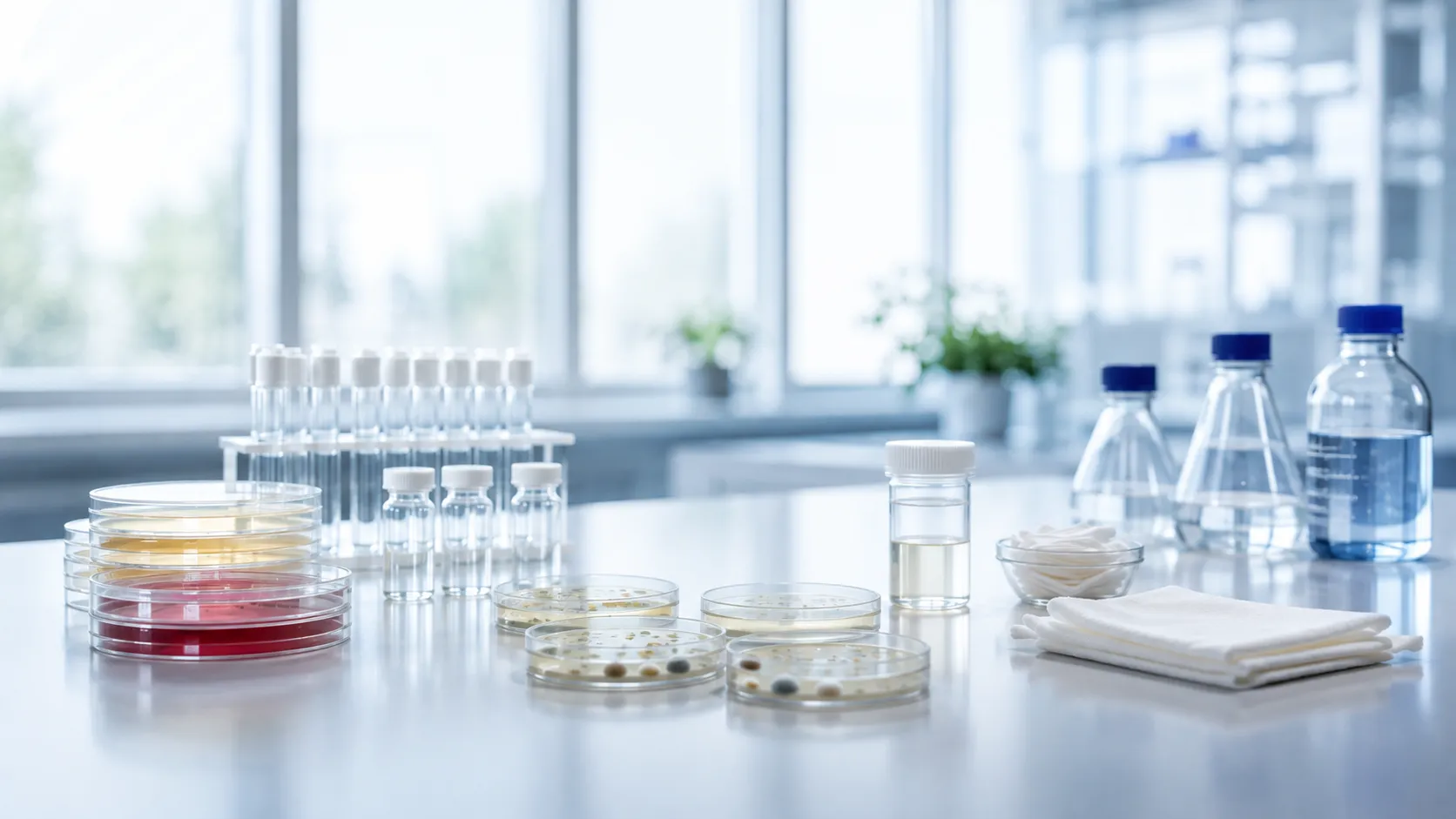
In life science, biotechnology, and pharmaceutical manufacturing, microbiology research and quality control depend on laboratory equipment that supports aseptic sample handling, controlled culture growth, microbial enumeration, identification, and contamination monitoring. Selecting the right microbiology research lab equipment helps laboratories generate reproducible results while reducing contamination, handling, and measurement errors.
In practical terms, a microbiology laboratory commonly requires equipment for five core functions: aseptic preparation, sterilization, incubation, microbial counting, and identification. Depending on the products, microorganisms, test methods, and throughput involved, the laboratory may also require membrane filtration, molecular testing, endotoxin detection, environmental monitoring, and automated identification systems.
For manufacturers of vaccines, antibiotics, probiotics, enzymes, and other bio-products, microbiology laboratories support both research and quality decisions. Equipment selection should therefore follow the actual workflow: what samples are tested, which microorganisms must be detected or characterized, which test methods are used, how many samples are processed, and what level of identification or quantification is required. This guide connects common microbiology applications, quality challenges, required tests, and instrument categories to help technical buyers and laboratory managers plan an appropriate laboratory setup.
Main Products and Applications
- Vaccines and biopharmaceutical products requiring microbiological quality and contamination assessment.
- Antibiotics and antimicrobial agents where potency and contamination testing may be required.
- Probiotics and fermented foods relying on viable cell counts and strain identity confirmation.
- Industrial enzymes and recombinant proteins where microbial culture performance and contamination control affect process consistency.
- Research cultures and clinical isolates used for academic, pharmaceutical, or diagnostic development.
Microbiology Research Quality Control Workflow
Sample Preparation and Inoculation
Microbiology workflows begin with controlled handling of raw materials, intermediate products, cultures, environmental samples, or finished-product samples. A major quality risk at this stage is unintended contamination from the environment, equipment, reagents, or operator. Improper dilution or homogenization can also produce inaccurate microbial counts. Key controls therefore include appropriate aseptic technique, accurate liquid handling, correct media preparation, and preservation of sample integrity.
Technicians may perform serial dilutions, aseptic transfers, sample homogenization, and optical-density adjustments before inoculating culture media. Errors introduced during preparation can carry through incubation and enumeration, so equipment used at this stage should support consistent sample handling and preparation.
Recommended laboratory equipment for this stage:
- Biosafety Cabinet – Provides a controlled work area for microbiological handling when the application requires appropriate product, personnel, and environmental protection.
- Autoclave – Sterilizes suitable media, utensils, and microbiological waste using validated operating procedures.
- Analytical Balance – Supports accurate weighing of culture-media components, reagents, and samples.
- pH Meter – Measures and supports adjustment of culture-media pH where required by the method.
- Adjustable Pipettes – Provide controlled liquid transfer for dilutions, reagent preparation, and inoculation.
- Vortex Mixer – Mixes liquid samples and microbial suspensions before subsequent analysis.


Incubation and Culture Growth
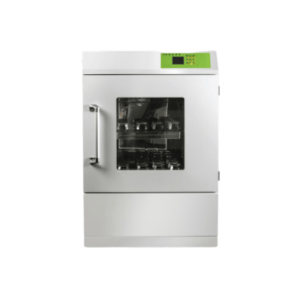
After inoculation, microorganisms are cultured under conditions appropriate to the organism and method. Temperature, atmosphere, incubation time, and, where applicable, agitation can influence microbial recovery and growth. Uncontrolled variation at this stage can make comparisons between samples or batches less reliable.
Static incubators support routine plate and culture incubation, while shaking incubators combine controlled temperature with agitation for liquid cultures. Organisms with specific atmospheric requirements may require dedicated anaerobic or other controlled-atmosphere systems. Where incubation conditions are quality-critical, temperature monitoring and recorded environmental data can support traceability.
Recommended laboratory equipment for this stage:
- Microbiological Incubator – Maintains controlled incubation conditions for routine culture growth.
- Shaking Incubator – Combines temperature control and agitation for suitable liquid cultures.
- Anaerobic Jar System – Provides an oxygen-reduced or anaerobic environment for organisms requiring those conditions.
- Temperature Data Logger – Records incubation temperature over time for monitoring and documentation.

Microbial Enumeration and Isolation
Microbial enumeration determines the number of recoverable microorganisms in a sample and supports applications such as viable counting, bioburden assessment, process monitoring, and environmental microbiology. Important sources of variability include unsuitable dilution levels, uneven sample distribution, overlapping colonies, and manual counting differences.
Methods may include pour plating, spread plating, membrane filtration, or other validated enumeration procedures. Equipment selection depends on the sample type, expected microbial concentration, required throughput, and counting method. For low microbial concentrations in filterable liquids, membrane filtration can concentrate microorganisms before incubation. For routine plate counting, automated colony counters can reduce repetitive manual work and improve consistency.
Recommended laboratory equipment for this stage:
- Automated Colony Counter – Assists with standardized enumeration of colonies on suitable agar plates.
- Membrane Filtration System – Concentrates microorganisms from suitable liquid samples onto a membrane for subsequent culture and detection.
- Spiral Plater – Applies controlled sample volumes across an agar surface for compatible quantitative plating methods.
- Dilution Blender – Homogenizes suitable samples with diluent before microbial enumeration.

Identification and Characterization
After a microorganism has been recovered or isolated, the laboratory may need to determine its identity. The required level of identification depends on the application: preliminary morphology may be sufficient for some research tasks, while contamination investigations, production-strain verification, or other critical applications may require biochemical or molecular confirmation.
Identification can combine microscopy, staining, biochemical testing, molecular amplification, electrophoresis, or automated identification technologies. The appropriate method depends on the organisms involved, required specificity, turnaround time, sample throughput, and the laboratory’s existing workflow.
Recommended laboratory equipment for this stage:
- Microscope – Supports morphological examination and interpretation of stained microbial preparations.
- PCR Thermal Cycler – Amplifies selected DNA targets for molecular identification and related research workflows.
- Automated Microbial Identification System – Supports higher-throughput microbial identification using the analytical approach of the selected system.
- Gel Electrophoresis System – Separates DNA fragments for compatible molecular biology workflows.
- UV-Vis Spectrophotometer – Measures absorbance for applications such as nucleic-acid, protein, or culture-density measurements when appropriate to the method.


Sterility and Contamination Testing
For products and processes where sterility or strict microbiological control is required, the laboratory must be able to detect low levels of viable contamination while minimizing the risk of introducing contamination during testing. The exact test method, environment, incubation conditions, and acceptance criteria depend on the product, applicable procedure, and quality system.
Contamination monitoring can also extend beyond product samples to the manufacturing or laboratory environment. Depending on the facility and monitoring program, air, surfaces, personnel, and utilities may be sampled to identify contamination trends and evaluate whether controlled areas remain within established microbiological conditions.
Recommended laboratory equipment for this stage:
- Laminar Flow Clean Bench – Provides HEPA-filtered unidirectional airflow for applications requiring product protection; it should be selected only where its protection characteristics are appropriate to the material and procedure.
- Sterility Test Incubator – Provides controlled incubation conditions for compatible sterility-testing workflows.
- Endotoxin Detection System – Supports bacterial endotoxin testing using the method selected by the laboratory.
- Air Sampler – Collects viable airborne microorganisms onto suitable culture media for environmental monitoring.
- Contact Agar Plates – Support surface sampling followed by incubation and colony evaluation.

Common Quality Control Challenges in Microbiology Research
- Cross-contamination between samples, reagents, equipment, or personnel compromising test integrity.
- Inconsistent culture conditions caused by uncontrolled incubation temperature, atmosphere, time, or agitation.
- Variable colony counts caused by preparation, plating, dilution, or manual enumeration differences.
- Insufficient isolate identification when the selected method does not provide the specificity required for the application.
- Drift or loss of control in equipment used for critical measurements, including pipettes, thermometers, balances, and pH meters.
- Environmental monitoring programs that do not provide sufficient data to recognize emerging contamination trends.

Key Quality Control Tests for Microbiology Research
| Quality Challenge | Quality Control Test | Recommended Laboratory Equipment | Application |
|---|---|---|---|
| Potential viable contamination | Sterility Test | Appropriate controlled work area, Sterility Test Incubator | Evaluates viable microbial contamination where sterility testing applies |
| Inaccurate microbial load | Total Viable Count (TVC) | Automated Colony Counter, Membrane Filtration System | Supports quantitative assessment of recoverable microorganisms |
| Microbial misidentification | Microbial Identification | Automated Microbial Identification System | Supports identification of production organisms, research isolates, or contaminants |
| Endotoxin contamination | Bacterial Endotoxins Test | Endotoxin Detection System | Supports endotoxin assessment for applicable products and processes |
| Growth variability | Growth Curve Analysis | UV-Vis Spectrophotometer, Shaking Incubator | Monitors culture growth and supports comparison of microbial culture performance |
| Antimicrobial response | Antimicrobial Susceptibility Testing | Zone Reader, Incubator | Evaluates microbial response to antimicrobial agents using the selected method |
| Phage contamination in research | Plaque Assay | Incubator, Colony Counting Equipment | Supports bacteriophage quantification in compatible bacterial culture systems |
| Environmental contamination | Viable Environmental Monitoring | Air Sampler, Incubator | Supports monitoring of viable microorganisms in controlled environments |
Laboratory Equipment Required for Microbiology Research Quality Control
A functional microbiology quality control laboratory combines equipment for aseptic handling, sterilization, incubation, enumeration, identification, and environmental monitoring. The exact configuration depends on the laboratory’s samples and test methods rather than on a universal equipment list.
For routine culture-based work, core equipment commonly includes an appropriate microbiological work enclosure, autoclave, incubator, pipettes, balance, pH meter, microscope, and colony-counting capability. Laboratories performing molecular identification or higher-throughput investigations may add PCR thermal cyclers, electrophoresis systems, spectrophotometers, and automated microbial identification platforms. Product or facility monitoring may also require membrane filtration, endotoxin testing, or environmental sampling equipment.
| Testing Requirement | Laboratory Equipment | Why Manufacturers Need It |
|---|---|---|
| Controlled microbiological sample handling | Biosafety Cabinet or other appropriate work enclosure | Supports contamination control and the required protection strategy for the procedure |
| Media and material sterilization | Autoclave | Supports controlled sterilization of compatible media, tools, and microbiological waste |
| Controlled culture incubation | Microbiological Incubator | Provides repeatable incubation conditions for culture-based methods |
| Colony enumeration | Automated Colony Counter | Reduces repetitive manual counting and supports more consistent enumeration |
| Culture-density measurement | UV-Vis Spectrophotometer | Supports optical-density measurements in compatible microbial growth workflows |
| Microscopic examination | Microscope | Supports morphology and staining-based preliminary characterization |
| Molecular identification | PCR Thermal Cycler | Supports DNA amplification for compatible identification and research methods |
| Endotoxin assessment | Endotoxin Detection System | Supports bacterial endotoxin testing where required by the laboratory’s method |
Together, these instrument categories allow a microbiology laboratory to move from sample preparation and culture to enumeration, identification, and contamination assessment. The most effective configuration is the one matched to the laboratory’s actual methods, sample volume, organisms, and decision requirements.
Basic Laboratory Setup for Microbiology Research Manufacturers
| Laboratory Level | Recommended Equipment | Suitable For |
|---|---|---|
| Basic QC Laboratory | Biosafety Cabinet, Autoclave, Incubator, Manual Colony Counter, Microscope, Basic Pipettes, pH Meter, Analytical Balance | Routine culture work, microbial enumeration, environmental checks, and other basic microbiological QC activities |
| Advanced QC Laboratory | Basic setup plus Automated Colony Counter, UV-Vis Spectrophotometer, PCR Thermal Cycler, Gel Electrophoresis, Automated ID System, Shaking Incubator, Membrane Filtration | Higher-throughput enumeration, molecular workflows, microbial identification, and more comprehensive quality-control testing |
| Advanced Analysis Laboratory | Advanced setup plus Next-Generation Sequencer, Mass Spectrometer, Real-Time PCR, Robotics, LIMS | Research-intensive environments requiring advanced characterization, data management, automation, or contamination investigation capabilities |
How to Choose Laboratory Equipment for Microbiology Research
Choosing microbiology laboratory equipment starts with the test method and sample rather than the instrument catalog. Define what microorganisms or contamination risks must be assessed, whether the result is qualitative or quantitative, how many samples will be processed, and what level of identification is needed. These requirements determine whether a basic culture-based setup is sufficient or whether molecular, automated, or advanced analytical equipment is justified.
Define the Testing Scope
Begin by listing the sample types—such as water, raw materials, finished products, cultures, or environmental samples—and the tests performed on each. Separate qualitative requirements, such as presence/absence testing, from quantitative microbial counts and identification tasks.
Also identify the organisms and culture conditions involved. Anaerobic or other organisms with specific growth requirements may need specialized atmospheric control, while molecular identification introduces different requirements for sample preparation, amplification, and analysis. The instrument should follow the method rather than forcing the method to fit available equipment.
Evaluate Laboratory Workflow Requirements
Testing frequency and sample throughput determine how much capacity and automation are justified. A laboratory processing large numbers of plates may benefit more from automated colony counting than a small research group with occasional enumeration work. Similarly, automated identification becomes more valuable when isolate volume or turnaround requirements exceed what manual methods can handle efficiently.
Consider operator workflow, available bench and floor space, utilities, contamination-control zoning, data handling, and the compatibility of new equipment with existing laboratory procedures. Equipment capacity should be sufficient for normal workload without creating unnecessary complexity.
Match Equipment Level to the Required Result
Not every microbiology laboratory requires advanced molecular or analytical equipment. Routine culture, enumeration, and preliminary identification may be handled with basic microbiology instruments. PCR, automated identification, sequencing, mass spectrometry, robotics, or advanced data systems become more relevant when the laboratory requires greater identification specificity, higher throughput, advanced characterization, or more extensive investigation capability.
This distinction helps prevent both under-specification and unnecessary equipment investment.
Compare Long-Term Equipment Support
Beyond purchase price, evaluate calibration, maintenance, consumables, training, spare-parts availability, and technical support. Calibration and verification frequencies should be established according to instrument function, measurement criticality, usage, manufacturer recommendations, historical performance, and the laboratory’s quality procedures rather than applying one interval to every device.
For equipment used in routine quality decisions, also consider how easily performance can be checked, documented, maintained, and restored after service. AELAB can assist in matching testing requirements with appropriate instrument categories so that the laboratory configuration reflects both technical and operational needs.
Who Needs Laboratory Testing Solutions for This Industry?
- Biopharmaceutical manufacturers performing microbiological quality control on sterile or non-sterile products.
- Quality control laboratories in food, beverage, and probiotic facilities performing microbial enumeration or contamination monitoring.
- Research and development departments working with vaccines, antibodies, industrial enzymes, microbial cultures, or related biotechnology applications.
- Contract research organizations (CROs) conducting microbiology studies for multiple clients.
- Academic institutions with microbiology facilities supporting research, culture work, identification, and characterization.
Frequently Asked Questions
What equipment is essential for a basic microbiology QC laboratory?
A basic microbiology QC laboratory commonly needs an appropriate microbiological work enclosure, autoclave, incubator, colony-counting capability, microscope, pipettes, pH meter, and analytical balance. The exact configuration should follow the samples, microorganisms, and test methods used by the laboratory. Additional equipment such as membrane filtration or environmental monitoring systems may be required for specific applications.
How can manufacturers prevent contamination in microbiology laboratories?
Contamination control combines suitable equipment, facility controls, validated procedures, environmental monitoring, cleaning, and operator technique. Appropriate microbiological work enclosures can reduce contamination risk during critical handling steps, while autoclaves support sterilization of compatible media and materials. Environmental monitoring can help identify contamination trends, but the specific airflow, pressure, gowning, cleaning, and monitoring strategy should follow the facility design and applicable quality procedures.
What are the most common quality control tests in a microbiology research lab?
Common microbiology quality-control activities include viable microbial enumeration, bioburden assessment, microbial identification, sterility testing where applicable, bacterial endotoxin testing where applicable, and environmental monitoring. The exact test set depends on the product, process, sample type, and quality requirements.
How often should microbiology laboratory equipment be calibrated?
There is no single calibration interval that applies to all microbiology laboratory equipment. Calibration or verification frequency should be established according to instrument function, measurement criticality, usage, manufacturer recommendations, historical performance, and the laboratory’s quality procedures. Equipment that directly influences critical test results generally requires particularly well-defined calibration, verification, and documentation controls.
Conclusion
A microbiology research or quality control laboratory should be configured around the tests it actually performs. Basic culture work requires reliable sample handling, sterilization, incubation, liquid handling, microscopy, and enumeration equipment, while laboratories requiring higher throughput or more specific identification may add automated counting, molecular testing, automated identification, or advanced analytical systems.
The key purchasing decision is therefore not simply which instruments are available, but which combination supports the laboratory’s samples, microorganisms, test methods, throughput, and required result. Mapping each test to its purpose and required equipment creates a laboratory configuration that is easier to operate, maintain, and expand as testing needs develop.
Laboratory Equipment Solutions for Microbiology Research
AELAB works with manufacturers and research laboratories to translate microbiology testing needs into practical equipment configurations. By understanding sample types, required quality control tests, accuracy expectations, testing frequency, and laboratory constraints, the appropriate instrument categories can be matched to the workflow—from routine incubation and counting to molecular identification and advanced analysis.
When planning a microbiology laboratory, useful information to define includes the products or samples under test, required methods, expected sample volume, microorganisms of interest, current equipment, available laboratory space, and recurring workflow problems such as inconsistent counting or slow identification. These factors provide a stronger basis for selecting equipment than a generic laboratory equipment list.