Single-Cell Analysis Overview
Single-cell analysis examines individual cells or nuclei rather than averaging signals across a bulk population. In life science and biotechnology research, this approach helps laboratories investigate cellular heterogeneity in areas such as drug response, immune biology, development, cancer research, and cell therapy development.
Quality control is required across the workflow because sample condition, cell concentration, capture performance, library quality, and sequencing data quality can each affect the final dataset. For laboratory managers and R&D teams, equipment selection should therefore follow the workflow: identify the sample type, define the QC measurement at each stage, then select instruments that can support the required throughput and analytical method.
Quick Answer: What Equipment Is Used for Single-Cell Analysis Quality Control?
A practical single-cell QC workflow commonly combines cell counting and viability equipment, microscopy or flow cytometry, centrifugation and sample-preparation tools, PCR and nucleic-acid QC instruments, fragment analysis, and sequencing data infrastructure. The exact configuration depends on whether the laboratory performs only sample preparation and library QC or also carries out cell sorting, single-cell capture, sequencing, and bioinformatic analysis in-house.
Main Products and Applications
Single-cell analysis research produces various sample types and data outputs, depending on the application. Laboratories typically handle:
- Single-cell suspensions from tissues, blood, or cultured cells used for downstream processing.
- Isolated single cells or nuclei captured in droplets, microwells, or microfluidic devices for genomic or proteomic profiling.
- Sequencing libraries and cDNA generated from single-cell transcriptomics or genomics workflows.
- High-dimensional protein and gene expression data analyzed to identify cell subtypes and biomarkers.
- Validated cell populations used in drug screening, cell therapy development, and functional assays.
Applications span drug discovery, cancer heterogeneity research, stem cell differentiation studies, immunology and infectious disease investigation, and regenerative medicine. In each case, the quality of the starting material and the integrity of the analytical workflow directly impact the validity of the results.
Single-Cell Analysis Quality Control Workflow
Sample Preparation and Single-Cell Isolation
The initial step involves dissociating tissue into viable single-cell suspensions or purifying cells of interest from blood or cultures. Quality risks include incomplete dissociation, cell clumping, debris contamination, and loss of fragile cell types. Parameters such as cell yield, viability, and debris percentage must be monitored. Testing typically includes microscopic observation, automated cell counting with viability dyes, and occasionally flow cytometry to assess surface markers. These measurements guide decisions on whether to proceed with downstream steps or re-optimize dissociation protocols.
Recommended laboratory equipment for this stage:
- Automated Cell Counter – Quantifies total cell count and viability using trypan blue or fluorescence staining, ensuring sufficient high-quality input for single-cell workflows.
- Fluorescence Microscope – Visually confirms cell morphology and debris levels, supporting a quick quality check before sorting.
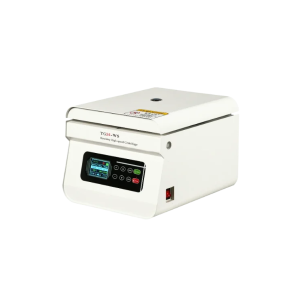
- Benchtop Centrifuge – Used for gentle cell pelleting and washing to remove enzymes and debris after dissociation.
- Biosafety Cabinet – Provides a sterile environment to prevent microbial contamination during sample handling.
- Flow Cytometer – Assesses cell size, granularity, and antigen expression to validate the purity of target cell populations.


Cell Viability and Counting
Before single-cell capture, accurate assessment of live cell concentration is non-negotiable, as dead cells release RNA and degrade data quality. Common defects include underestimated viability due to dye quenching or inaccurate counts from cell clumps. Dual-fluorescence viability assays using acridine orange and propidium iodide provide more reliable metrics. Viability and cell concentration are key inputs when preparing a suspension for loading. Accurate counts help laboratories follow the loading conditions required by their chosen single-cell platform and reduce avoidable variability associated with unsuitable cell concentration or excessive dead-cell material.
Recommended laboratory equipment for this stage:
- Automated Fluorescence Cell Counter – Delivers precise live/dead counts using dual-color detection, minimizing user variability.
- Hemocytometer with Trypan Blue – A manual backup method for quick viability checks when higher throughput is not required.
- Microcentrifuge – Prepares cell pellets for staining or resuspension at standardized concentrations.
- Vortex Mixer – Ensures homogeneous cell suspension before aliquoting to avoid sampling errors.

Single-Cell Capture and Barcoding
Single-cell isolation technologies—such as droplet encapsulation, microfluidic wells, or FACS sorting—aim to partition individual cells with unique barcodes for downstream identification. Quality challenges include doublets (two cells in one partition), empty droplets, and barcode cross-contamination. Laboratories should assess capture performance and potential doublets using the verification methods supported by their chosen workflow, such as imaging and post-sequencing analysis. Real-time monitoring of droplet generation or sort gates verifies that the system is operating within specifications, reducing the risk of failed runs.
Recommended laboratory equipment for this stage:
- Single-Cell Dispenser or Microfluidic Platform – Automates cell isolation and barcoding, often integrated with optical feedback to confirm single-cell occupancy.
- Inverted Microscope with Camera – Visual inspection of microwell or droplet arrays to estimate capture efficiency.
- Analytical Balance – Ensures accurate preparation of reagents for barcoding reactions.
- PCR Thermal Cycler – Used for barcode amplification or reverse transcription immediately after capture.


Library Preparation and Amplification
Following barcoding, single-cell libraries are prepared for sequencing. Common defects include low library complexity, biased amplification, and adapter contamination. Quality control involves measuring library concentration, fragment size distribution, and the absence of primer dimers. Real-time PCR quantification and capillary electrophoresis are standard tests. These QC data points determine whether a library is suitable for sequencing and guide pooling strategies to balance coverage across samples.
Recommended laboratory equipment for this stage:
- Real-Time PCR System – Precisely quantifies library concentration for accurate sequencing loading.
- Fragment Analyzer – Assesses DNA/RNA integrity and library size distribution.
- UV-Vis Spectrophotometer – Measures nucleic acid purity (A260/A280) to check for protein or phenol contamination.
- Magnetic Rack for DNA Purification – Used with bead-based clean-up to remove adapter dimers and enzyme carryover.

Sequencing Data Quality Assessment
Once libraries are sequenced, raw data must be evaluated for quality metrics: base calling accuracy (Q scores), read yield, mapping rate, and potential batch effects. Poor-quality runs can arise from under-clustering, over-clustering, or systematic errors. Sequencing QC software generates metrics that determine if the data meets project requirements. Based on these reports, researchers decide to repeat low-quality samples or proceed with bioinformatic analysis, ensuring that biological conclusions are built on a solid foundation.
Recommended laboratory equipment for this stage:
- Next-Generation Sequencing System – The core platform generating the sequencing data; should be calibrated and maintained per manufacturer guidelines.
- High-Performance Computing Cluster or Server – Essential for processing and QC of large sequencing datasets.
- Data Storage and Management System – Secure and scalable storage for raw and processed data with backup.

Common Quality Control Challenges in Single-Cell Research
Despite technological advances, single-cell analysis laboratories frequently encounter quality issues that compromise data. Key challenges include:
- Low cell viability due to harsh dissociation methods, which introduces background noise from dead cells.
- Doublet or multiplet formation where two or more cells occupy a single partition, leading to false co-expression signals.
- Amplification bias during reverse transcription or PCR, causing uneven gene coverage and dropout of low-expressed genes.
- Primer dimer contamination in sequencing libraries that reduces effective sequencing depth.
- Batch effects from processing samples on different days, reagents, or instruments, obscuring biological variation.
- Data reproducibility issues due to insufficient QC, making it hard to validate findings across experiments.
Key Quality Control Tests for Single-Cell Analysis
| Quality Challenge | Quality Control Test | Recommended Laboratory Equipment | Application |
|---|---|---|---|
| Low cell viability | Dual-fluorescence viability assay | Automated Fluorescence Cell Counter | Pre-capture cell quality check |
| Doublet formation | Capture efficiency and doublet rate estimation | Inverted Microscope with Camera | Post-capture verification of single-cell occupancy |
| Amplification bias | Library concentration and size distribution | Fragment Analyzer System | Library QC before sequencing |
| Nucleic acid contamination | A260/A280 and A260/A230 absorbance ratios | UV-Vis Spectrophotometer | RNA/DNA purity check after extraction |
| Sequencing data quality | Base call accuracy (Q30 score) and read yield | NGS Platform with Data Analysis Software | Run-level data assessment |
| Batch effects | Principal component analysis of gene expression | High-Performance Computing Cluster | Post-sequencing data integration |
| Primer dimer presence | Capillary electrophoresis for fragment analysis | Fragment Analyzer System | Library purification verification |
| Cell clumping and debris | Microscopic morphology check | Fluorescence Microscope | Pre-sorting sample evaluation |
Laboratory Equipment Required for Single-Cell Analysis Quality Control
Establishing a robust single-cell analysis workflow demands a cohesive set of laboratory instruments that span cell biology, molecular biology, and analytical functions. The core equipment groups include cell handling tools (centrifuges, biosafety cabinets, cell counters), nucleic acid quality controllers (spectrophotometers, fragment analyzers, real-time PCR systems), and sequence data generators (next-generation sequencers). Integrating these with high-performance computing resources completes the data generation pipeline.
Critical categories such as automated cell counters and fluorescence microscopes ensure that starting samples meet viability and purity thresholds. Downstream, instruments like fragment analyzers and spectrophotometers safeguard against degraded or contaminated libraries, while real-time PCR systems provide precise quantification for sequencing. Finally, the sequencing platform itself must be supported by robust data storage and analysis infrastructure. Each piece plays a defined role in mitigating the specific failure points that plague single-cell experiments.
The following table summarizes key testing requirements and the corresponding laboratory equipment, highlighting why manufacturers or research labs need each instrument to maintain workflow integrity.
| Testing Requirement | Laboratory Equipment | Why Laboratories Need It |
|---|---|---|
| Cell viability and count | Automated Cell Counter | Ensures correct input for single-cell capture, preventing poor run quality. |
| Sample cell purity | Flow Cytometer | Verifies target cell population enrichment before isolation. |
| Library quantification | Real-Time PCR System | Enables accurate pooling and loading concentration for sequencing. |
| Library size distribution | Fragment Analyzer | Detects adapter dimers, incomplete amplification, and confirms insert size. |
| Nucleic acid purity | UV-Vis Spectrophotometer | Checks for protein, phenol, or salt contamination that inhibit enzymes. |
| Capture efficiency | Inverted Microscope | Allows visual estimation of single-cell occupancy in microwells or droplets. |
| Sequencing run metrics | NGS Platform | Generates high-quality reads for downstream bioinformatics. |
| Data processing | High-Performance Computing Cluster | Handles intensive QC and analysis pipelines with sufficient speed. |
Together, these instruments form a quality-driven ecosystem that addresses pre-analytical, analytical, and post-analytical variables. A well-designed laboratory integrates them into a seamless workflow, minimizing variability and maximizing the reproducibility of single-cell experiments.
Basic Laboratory Setup for Single-Cell Research Labs
| Laboratory Level | Recommended Equipment | Suitable For |
|---|---|---|
| Basic QC Laboratory | Benchtop centrifuge, hemocytometer, automated cell counter, inverted microscope, PCR thermal cycler, spectrophotometer, basic data storage. | Pilot studies, small-scale single-cell projects, teaching labs. |
| Advanced QC Laboratory | All Basic plus flow cytometer, real-time PCR system, fragment analyzer, microfluidic single-cell platform, NGS sequencer, dedicated server. | Core facilities, biotech R&D labs performing transcriptomics regularly. |
| Advanced Analysis Laboratory | All Advanced plus high-throughput cell sorter, liquid handler, automated library preparation, high-performance computing cluster with cloud backup, multi-omics integration tools. | Large-scale pharma discovery, population-scale single-cell studies, multi-site consortia. |
How to Choose Laboratory Equipment for Single-Cell Analysis
Selecting the right combination of instruments requires a clear understanding of your research objectives, sample characteristics, and operational constraints. The decision-making process should balance technical capabilities with practical considerations to build a cost-effective, reliable workflow.
Define the Testing Scope
Begin by cataloging the sample types you will work with—fresh tissue, frozen cells, or cultured lines—because dissociation protocols and viability challenges differ. Determine the required resolution: do you need full-length RNA sequencing, targeted gene expression, or protein profiling? The sensitivity and throughput of each method dictate the necessary instrument performance. For example, laboratories should compare whether the available fragment-analysis method can resolve the library-size range relevant to their workflow and whether the chosen nucleic-acid QC method is suitable for the sample concentration and purity checks being performed.
Evaluate Laboratory Workflow Requirements
Testing frequency and sample throughput heavily influence equipment choice. A core facility processing hundreds of samples per week needs automation and quick turnaround, favoring integrated cell counters and liquid handlers over manual methods. Operator skill level is equally important; simpler instruments with minimal training reduce variability, while advanced labs may invest in fully automated systems that require specialized training. Also, plan laboratory space and environmental controls to accommodate sensitive instruments like sequencers and microfluidic devices.
Compare Long-Term Equipment Support
Beyond the purchase, consider calibration, maintenance, consumable availability, training, and technical support. Follow the instrument manufacturer’s maintenance and calibration requirements, and include recurring consumables such as chips, reagents, purification materials, and QC supplies when evaluating total cost of ownership. AELAB can assist in matching testing requirements with appropriate instrument categories so the laboratory configuration reflects the actual workflow rather than a generic equipment list.
Who Needs Laboratory Testing Solutions for This Industry?
- Biotechnology R&D laboratories developing cell therapies or discovering drug targets through single-cell omics.
- Pharmaceutical R&D and translational teams using single-cell assays for biomarker research, mechanism studies, or drug-response investigations.
- Academic core facilities offering single-cell services to multiple research groups with diverse sample types.
- Contract research organizations (CROs) conducting outsourced single-cell studies with strict reproducibility standards.
- Hospital-based translational research centers applying single-cell analysis to patient-derived samples for personalized medicine.
Frequently Asked Questions
What is the most critical QC step in a single-cell analysis workflow?
The viability and counting step before single-cell capture is most critical because inputting dead or aggregated cells directly compromises data quality by increasing noise and doublet rates. Using a fluorescence-based automated cell counter provides the most reliable assessment.
How can laboratories prevent doublet formation during single-cell isolation?
Doublet formation is minimized by optimizing cell concentration during loading, using gentle resuspension techniques, and selecting microfluidic platforms with active singlet discrimination. Post-capture analysis with imaging or computational tools can estimate doublet rates and identify potential issues.
What equipment is essential for ensuring sequencing library quality?
A fragment analyzer for size distribution and a real-time PCR system for accurate quantification are essential. Together, they verify that the library is free of contaminants, properly amplified, and loaded at the correct molarity for optimal sequencing output.
How should labs handle batch effects in multi-sample experiments?
Batch effects can be mitigated by standardizing sample preparation times, using the same reagent lots, and including technical controls. Post-sequencing, data integration methods and dedicated high-performance computing resources help align datasets from different runs, but proactive lab management is key.
Conclusion
Single-cell analysis unlocks unparalleled insights into cellular function, but its complexity requires a meticulously controlled laboratory environment. By embedding rigorous quality checks at each workflow stage and selecting equipment matched to specific testing needs, laboratories can generate data that withstands scientific scrutiny and accelerates discovery.
Laboratory Equipment Solutions for Single-Cell Analysis Research
AELAB works with biotech and pharmaceutical researchers to bridge the gap between experimental goals and laboratory capability. By evaluating your sample types, required QC tests, accuracy demands, and daily throughput, we help identify the equipment categories—from cell counters to sequencing support instruments—that form a coherent and efficient workflow. This approach ensures that every instrument contributes directly to data reliability without unnecessary redundancy.
For equipment planning, useful project inputs include typical sample type, intended test methods, expected sample volume, current laboratory capabilities, and the main QC bottlenecks. These details help define which instrument categories belong in the workflow and which functions can remain outsourced or shared through a core facility.