Introduction
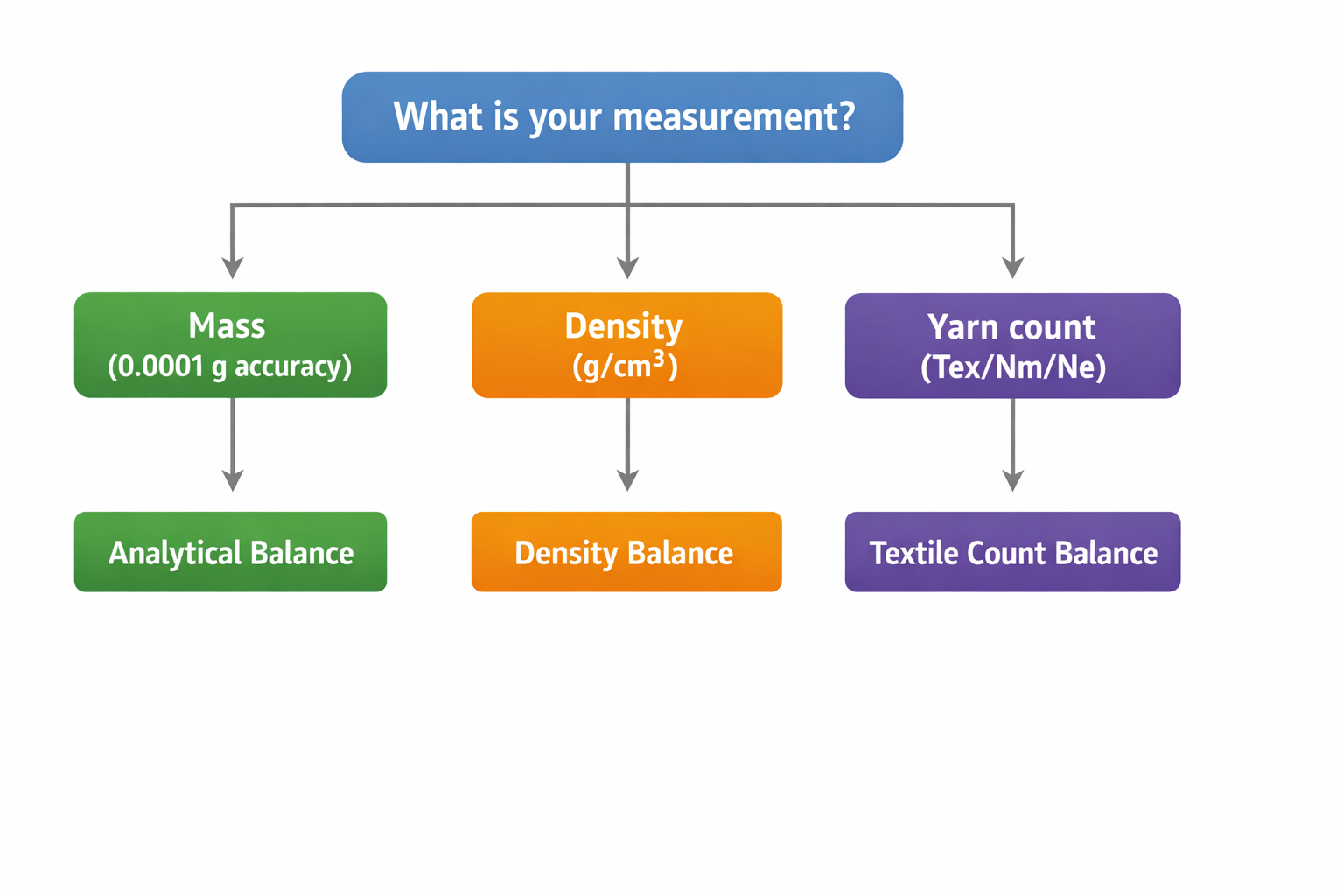
Laboratory and industrial weighing needs vary dramatically. A pharmaceutical QC lab weighing raw materials requires an analytical balance with 0.0001 g readability. A polymer testing department measuring density of solid samples needs a dedicated density balance. A textile mill verifying yarn count needs a textile count balance with specialized units. Choosing the wrong instrument leads to wasted budget, inaccurate results, and compliance risks. This guide clarifies how to match the right balance to your industry and application.
Quick Selection Summary
If your main task is routine high-precision weighing of small samples (powders, solids, liquids) with 0.0001 g readability, choose an analytical balance like the AELAB FA or FA-E/EN Series.
If you need to measure density of solids or liquids directly (e.g., polymers, ceramics, metals, chemicals), select a density balance like the AELAB FA2204T Series.
If you work in textiles and need to determine yarn count (Tex, Nm, Ne) or fabric weight with statistical analysis, go for a textile count balance like the AELAB JA203SD.
Understanding the Three Balance Types
Analytical Balance
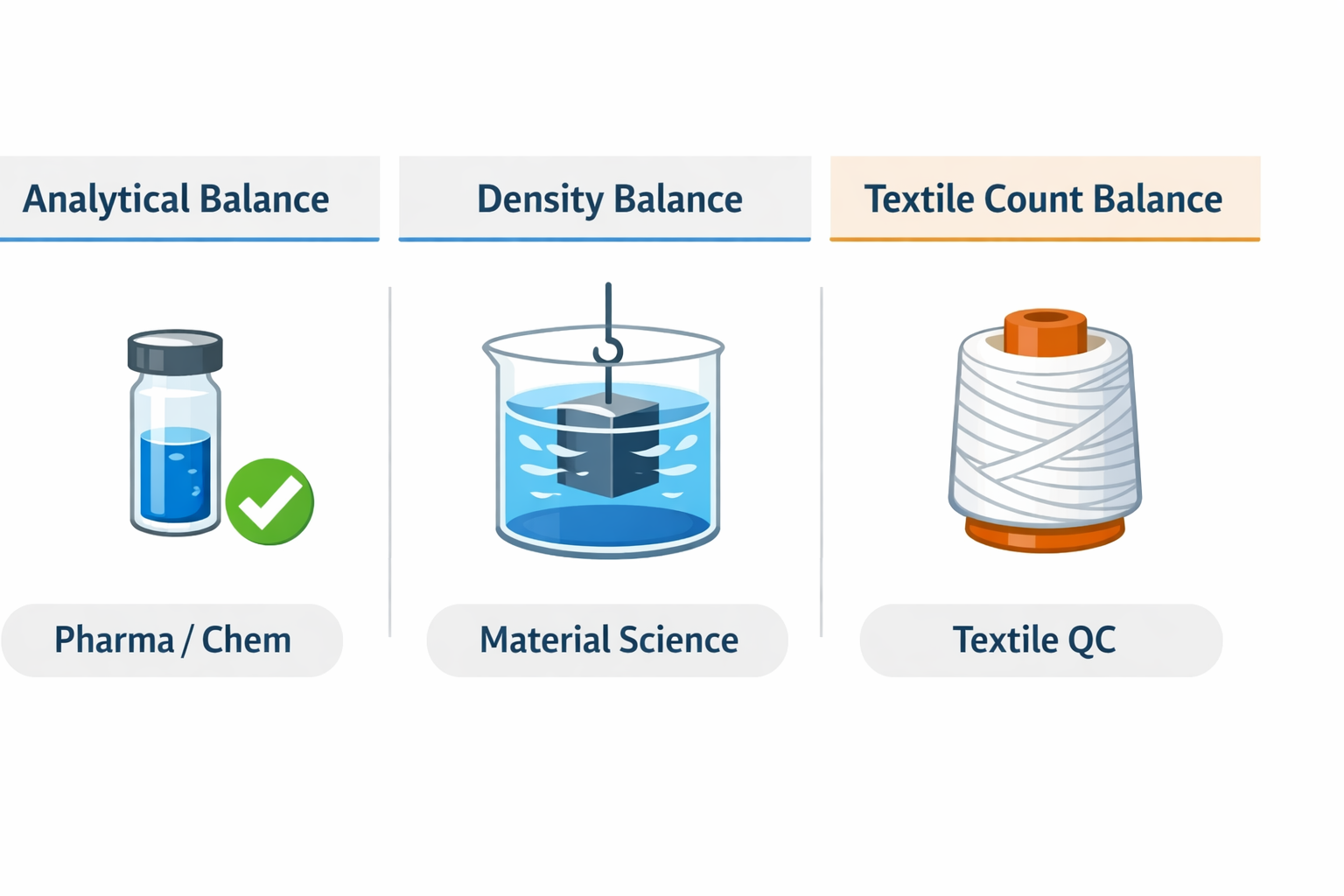
An analytical balance offers readabilities of 0.0001 g (0.1 mg) and capacities typically from 100 g to 220 g. It is designed for precise mass measurement in controlled environments. The electromagnetic force restoration sensor and draft shield minimize environmental interference. Features often include internal calibration, multiple weighing units, and application modes like parts counting, percentage weighing, and density determination (with optional kit).
Density Balance
A density balance is a specialized analytical balance equipped with hardware and software to determine density using Archimedes’ principle. It can measure solid objects (using a solid kit with a water tank) or liquid samples (using a liquid kit with a sinker). It directly calculates density in g/cm³, eliminating manual calculations. This type is essential for material characterization, QC of polymers, ceramics, rubber, and research applications.
Textile Count Balance
A textile count balance is a precision scale with embedded software for textile-specific measurements. It calculates yarn count (linear density) in units like Tex, Nm, Ne, and can determine fabric weight (g/m²). It often includes statistical tools (max, min, average, CV%) and data logging for quality control. Such balances are designed for direct use in textile labs and production floors, with appropriate readability and capacity for yarn and fabric samples.
What to Check Before Buying
Before selecting a model, clarify your primary measurement need. Determine the sample type, required capacity, readability, and regulatory environment. Consider whether you need multiple functionalities (e.g., general weighing plus density) or a dedicated instrument. Evaluate calibration requirements (internal vs. external), connectivity for data management, and available bench space. Also, confirm that the instrument’s operating temperature range aligns with your lab conditions.
-
 AELAB Precision Balance AE3KB1EB – High Accuracy Lab ScaleRead more
-
 AELAB XY-MT Series Multifunction Weighing Scale for Precision Industrial and Laboratory MeasurementRead more
-
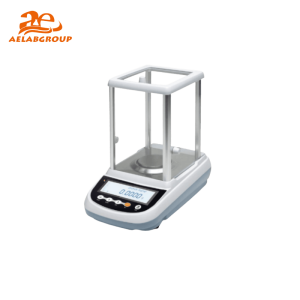 Internal Calibration Analytical Balance FA-A(I) SERIESRead more
-
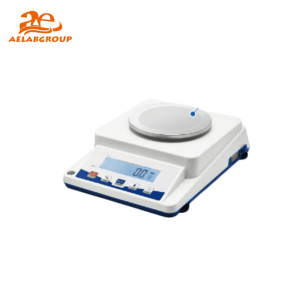 Precision Balance XY-1B/1BF SeriesRead more
-
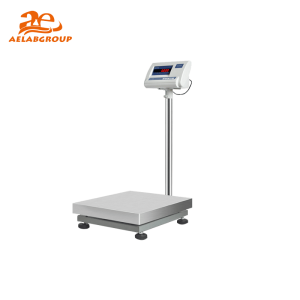 AELAB Industrial Scale XY-E/F Series – High Precision Heavy-Duty Weighing SystemRead more
-
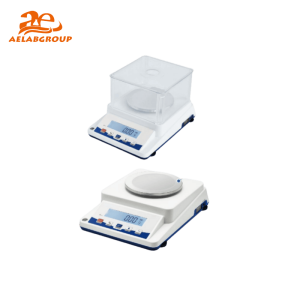 Precision Balance XY-2C SeriesRead more
Key Selection Factors by Industry
Pharmaceutical and Chemical Laboratories
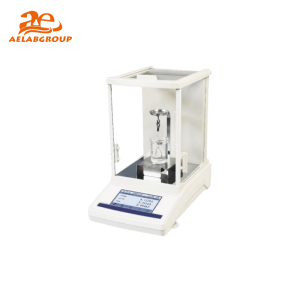
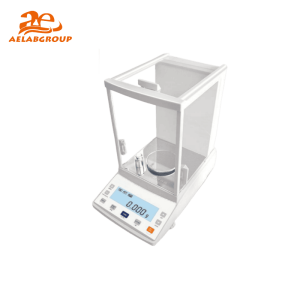
For analytical weighing of active ingredients, excipients, or small sample quantities, an analytical balance with 0.0001 g readability and internal calibration (for GLP compliance) is ideal. The AELAB FA Series (internal calibration models like FA2204N) or FA-E/EN Series (EN models) fit well. The FA-E/EN Series is more compact (300x200x295 mm, 8 kg) compared to the FA Series (340x215x350 mm, 11 kg), which may matter in crowded labs. Both offer RS232 standard and optional USB/printer connectivity for data export.
Material Science and Polymer Testing
When density is the key metric, a density balance saves time and reduces human error. The AELAB FA2204T Series provides automatic internal calibration, touchscreen interface, and a choice between solid (FA2204TS) and liquid (FA2204TL) kits. The solid kit includes a water tank and pan for submersible weighing; the liquid kit uses a beaker and sinker. Select based on sample form. For labs needing both general high-precision weighing and density, having a separate analytical balance plus a density balance may be preferred, though some analytical balances can perform density measurements with an optional kit.
Textile Manufacturing and Quality Control
Textile labs need balances that speak their language. The AELAB JA203SD count balance directly measures yarn count in Tex, Nm, Ne, and can compute fabric weight. It stores up to 100 records and calculates statistical parameters (max, min, average, CV%) for quality reports. With 0.001 g readability and 210 g capacity, it is adequate for yarn and small fabric samples. It includes RS232 and printer support. This is not a general-purpose analytical balance; it is a textile-specific solution.
Product Comparison
The table below summarizes the key specifications of the recommended AELAB models to help you compare at a glance.
| Model Series | Type | Capacity | Readability | Calibration | Dimensions (mm) | Weight (kg) | Key Feature |
|---|---|---|---|---|---|---|---|
| FA Series (N models) | Analytical | 100–220 g | 0.0001 g | Internal (N) or External | 340x215x350 | 11 | Larger housing, full draft shield |
| FA-E/EN Series | Analytical | 100–220 g | 0.0001 g | Internal (EN) or External (E) | 300x200x295 | 8 | Compact design, optional 90 mm pan |
| FA2204T Series | Density | 220 g | 0.0001 g; 0.0001 g/cm³ density resolution | Internal | 365x210x355 | 11 | Solid/liquid density kits, touchscreen |
| JA203SD | Textile Count | 210 g | 0.001 g | External (200 g weight) | Not specified in provided data | 9 | Textile units, statistics, data storage |
Product-specific values are based only on the provided product data and should be confirmed with AELAB before purchase.


Which One Should You Choose?
If your work is purely high-precision weighing of small masses and you need GLP-compliant data handling, choose between the FA and FA-E/EN analytical balances based on space and calibration preference. The FA-E/EN series is lighter and smaller; the FA series has a slightly larger draft shield.
If your primary task is density measurement, the FA2204T density balance is the direct choice. For solid samples, pick FA2204TS; for liquids, FA2204TL.
If you are in textiles and need yarn count statistics, JA203SD is the purpose-built tool.
Some labs may need more than one type. A combination of an analytical balance and a textile count balance, or an analytical balance and a density balance, is common.
Need help matching the right balance to your application?
Contact AELAB with your sample type, required capacity, readability, and industry standards. Our team can recommend the appropriate model, accessories, and configuration before you request a quote.
Conclusion
Selecting the correct balance depends entirely on what you are measuring and why. Analytical balances are for precision mass determination; density balances are for material characterization via density; textile count balances are for yarn and fabric quality control. By defining your measurement output, sample form, and required units, you can narrow the choice quickly.
Do this next: List the primary measurements your lab performs—mass, density, or yarn count—and check the capacity and readability needed from the comparison table above. Then reach out to AELAB with those requirements for a tailored recommendation.
Frequently Asked Questions
Can I measure density with a standard analytical balance?
Some analytical balances support density measurement with an optional kit, but a dedicated density balance like the FA2204T series provides integrated software, a touchscreen, and pre-configured hardware for faster, more accurate results.
Is a textile count balance just a scale with special software?
Yes. It is a precision balance programmed to calculate yarn count and fabric weight directly, with statistical functions tailored for textile QC. A regular analytical balance would require manual calculations.
What capacity do I need for pharmaceutical weighing?
For most pharmaceutical analytical work, capacities between 100 g and 220 g are sufficient because samples are small. Choose based on the maximum tare plus sample weight. For heavier containers, consider a balance with a higher capacity.
Do I need internal or external calibration?
Internal calibration (FA-N/EN models, FA2204T) is more convenient and supports GLP compliance by allowing automatic or scheduled calibration without manual weights. External calibration (FA/E models) is typically less expensive but requires keeping calibrated weight sets.
How do I decide between FA and FA-E/EN analytical balances?
Both offer identical performance (0.0001 g readability). The FA-E/EN series is more compact and lighter, suitable for tight bench spaces. The FA series has a slightly larger draft shield which may be better for larger samples. Check dimensions and weight to decide.