

If you manage a veterinary clinic that handles dogs, cats, horses, exotics, or farm animals under one roof, selecting a haematology analyser can feel like a high‑stakes gamble. The wrong choice leads to unreliable CBCs on certain species, wasted technician time on manual differentials, and constant second‑guessing of results. This article is written for veterinary practice owners, lab managers, and lead technicians who need to move beyond spec‑sheet comparisons and make a decision that genuinely fits their multi‑species workflow. By the end, you will have a practical framework for matching the right automated haematology system to your clinic’s case mix, throughput, and clinical confidence needs—and you will avoid the false assumptions that trip up so many first‑time buyers.
What a Veterinary Haematology Analyser Must Do for Multi‑Species Work
An analyser that works perfectly for a single‑species small‑animal practice often falls apart in a mixed clinic. Multi‑species haematology involves far more than just different reference intervals. Each species brings its own red cell morphology, platelet behaviour, and white cell distribution pattern that challenge even advanced optical and impedance technologies.
At minimum, the instrument must:
- Apply species‑specific algorithms that separate normal from abnormal cell populations for each species you treat, not just dogs and cats.
- Handle wide physiological ranges—a healthy horse’s neutrophil count can look alarming if you only have canine‑trained software.
- Correctly flag specimens that need a manual blood film review, especially for exotics where even “normal” can look atypical to a generic algorithm.
- Produce CBC parameters that match the clinical context. For example, an avian thrombocyte count should not be falsely reported as a platelet count with human‑oriented numbering.
Many so‑called “veterinary” analysers are really human machines with a limited dog‑and‑cat library. In a clinic that regularly sees horses, birds, reptiles, or small mammals, that gap shows up within days.
Key Performance Factors That Matter in Daily Practice
When a sick ferret arrives at 4:30 p.m., no one wants to hear that the analyser needs a 20‑minute warm‑up and a manual dilution because the sample volume is too low. Performance in a busy mixed clinic is not just about throughput numbers; it is about how the instrument behaves when the pressure is on and the sample is far from ideal.
Three factors separate smooth operation from daily frustration:
- Sample volume tolerance. Exotic patients often yield only 0.3–0.5 mL of blood. An analyser that demands a full EDTA tube may force you to turn away critical cases or run manual methods that erode confidence.
- Throughput versus flexibility. A high‑speed line that processes 60 samples per hour can become a bottleneck if every feline sample needs a manual smear because of platelet clumps. Throughput matters, but not as much as the analyser’s ability to reduce manual review through intelligent flagging.
- Species‑specific result reliability. The analyser should produce WBC differentials that match manual counts well across your major species. A machine that performs brilliantly on canine blood but misclassifies monocytes in horses or cannot separate lymphocytes and thrombocytes in birds will undermine your clinical confidence.
Operator Note: When evaluating throughput claims, ask about throughput on real multi‑species panels, not just canine controls. A 60‑sample‑per‑hour rating on one species may drop to 20 when mixed sample types and manual reviews are factored in.
Understanding CBC Parameters and Species‑Specific Interpretation
A CBC printout is not a diagnosis; it is a pattern. In multi‑species work, the same absolute count can mean very different things depending on the animal. A neutrophil count of 25 × 10⁹/L might be unremarkable in a horse but suggests a severe stress leukogram in a rabbit. Relying on built‑in “normal” flags without species‑specific reference intervals is one of the fastest ways to misclassify a patient.
Modern veterinary analysers should offer flexible species profiles that go beyond dog, cat, and horse. Many exotics see wild interspecies variation; a rabbit is not a guinea pig, and a parrot is not a pigeon. The analyser must let you store custom reference intervals, and it should clearly alert you when results fall into borderline zones that demand film review.
Common Misconceptions When Comparing Veterinary Haematology Analysers
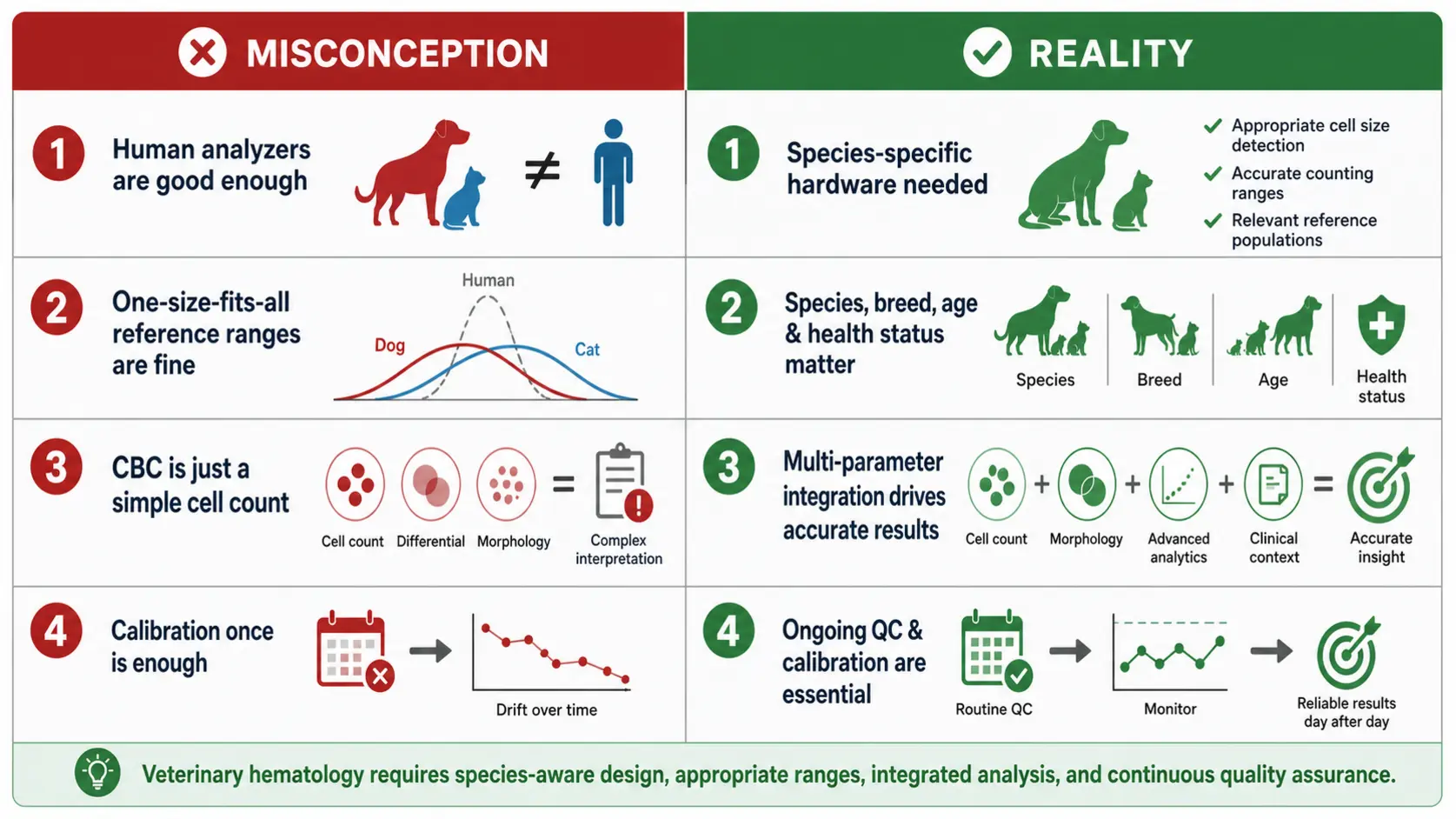
Many clinics walk into the purchasing process with assumptions that were never true. Identifying these early prevents buyer’s remorse when the instrument is live.
Misconception 1: “A human haematology analyser with a ‘veterinary’ software mode is good enough.”
Hardware designed for human blood typically lacks the dynamic range to correctly count large platelets in cats or distinguish nucleated red blood cells from white cells in horses. The software may adjust reference intervals but cannot compensate for the physical measurement limitations of the optics and fluidics. In multi‑species practice, those limitations surface regularly.
Misconception 2: “All veterinary analysers handle exotics equally well.”
Some analysers perform beautifully on mammalian blood but produce erratic results on avian or reptile samples because nucleated red cells are not correctly excluded from the WBC count. If your caseload includes more than an occasional bird, the analyser must be validated for avian haematology, not just labelled as “exotic capable.”
Misconception 3: “More expensive always means better for my multi‑species caseload.”
A premium analyser loaded with advanced optical technologies may be overkill for a clinic that mainly sees dogs, cats, and fit horses while adding maintenance complexity and reagent costs. Conversely, a budget impedance‑only machine will struggle with accurate WBC differentials in mixed populations. Price must be weighed against species coverage and your actual daily workload.
Misconception 4: “Sample throughput is the main bottleneck in mixed practice.”
Throughput charts look great in brochures, but in a real mixed clinic, the true bottleneck is often manual review time. If an analyser flags 40% of exotic samples for smear review because it cannot reliably differentiate cell types, you have not saved time—you have just moved it from the bench to the microscope.
Most Common Workflow Failure Points in Multi‑Species Haematology

Even a well‑chosen analyser can produce misleading results if the pre‑analytical workflow breaks down. Multi‑species clinics encounter failure points that single‑species practices rarely see.
- Sample collection artefact. Stress, poor venipuncture, or prolonged tourniquet application can alter cell counts. In exotics, even minor handling can trigger a stress leukogram that looks pathological. Training all staff on species‑appropriate blood collection techniques is non‑negotiable.
- Anticoagulant mismatch. EDTA is standard for mammals, but in some birds and reptiles, heparin is preferred to avoid thrombocyte clumping. Running a heparinised avian sample on an analyser optimised for EDTA can produce misleading WBC flags and scattergrams that confuse even experienced technicians.
- Inadequate mixing and clot formation. Small sample volumes from exotics are prone to microclots that block fluidics or cause falsely low platelet counts. A mixer that works for a 1‑mL dog tube may not adequately resuspend cells in a 0.3‑mL exotic sample.
- Species code errors. Running a horse sample under a dog profile, or forgetting to switch from cat to rabbit, generates numbers that look precise but are clinically meaningless. Integrated species selection—ideally barcode‑driven—reduces this error significantly.
- Over‑reliance on automated flags without film review. Analyser flags are probability signals, not diagnostic verdicts. In species with high physiologic variation, the flagging algorithm may fire too often or too rarely. A consistent film‑review protocol, especially for all exotics and any flagged cats, catches errors before they reach the patient record.
How Clinic Size and Case Mix Change Your Analyser Needs
The right analyser for a two‑vet mixed practice seeing 70% dogs, 25% cats, and an occasional horse is not the same as the right analyser for a referral clinic handling 30% exotics, 40% equine, and the rest small animals. Context drives the decision.
- Small clinic, limited exotic caseload. A reliable 3‑part differential analyser with strong canine and feline performance and basic equine capability may suffice. The focus should be on low maintenance, small footprint, and easy film review when exotics appear. Investing heavily in 5‑part optical technology may not pay off if 95% of your cases are dogs and cats.
- High‑caseload mixed practice. A 5‑part analyser with species‑specific scattergram interpretation and a high first‑pass yield on differentials will reduce the manual review load. Look for instruments that can process multiple species in one run without constant recalibration, and that produce reliable differentials on species beyond the basic three.
- Exotics‑focused or zoo practice. You need an analyser that has been validated with avian and reptile blood, can handle low sample volumes, and gives you control over gating and flag thresholds. Here, the ability to review scattergrams and manually gate populations becomes far more important than throughput. Some clinics pair an automated analyser with an in‑house blood film evaluation station for rapid manual backup.
- Equine‑heavy practice. Horses produce large red cells and platelets that challenge some optical systems. An analyser that correctly sizes and counts equine RBCs and platelets without requiring manual correction is essential. Additionally, equine haematology often involves fibrinogen measurement; if that is a frequent test, choose a system that can incorporate it.
Practical Decision Path: Matching an Analyser to Your Clinic
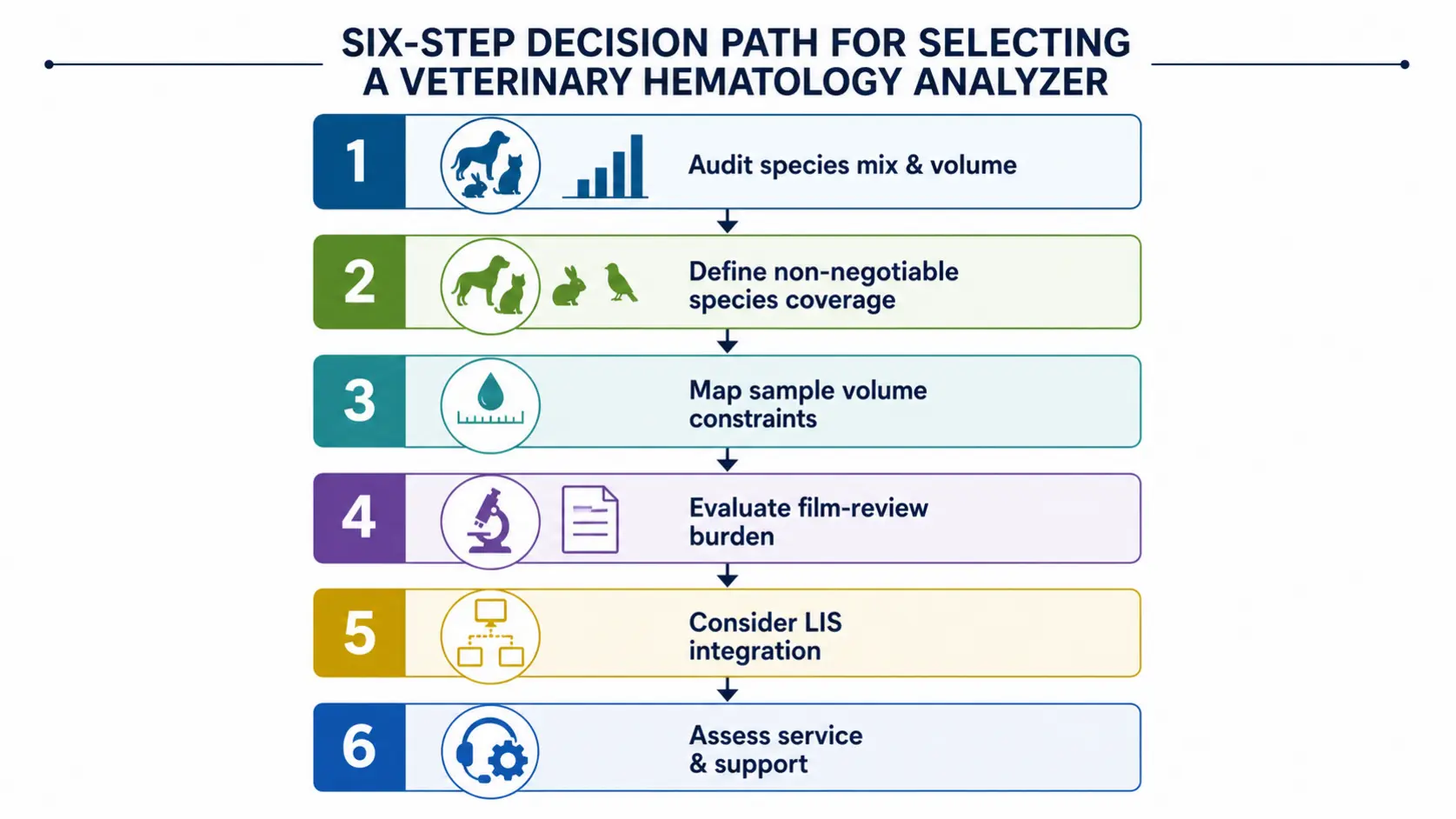
Instead of starting from a list of models, work backward from your actual needs. The following sequence reflects what experienced multi‑species clinics use to avoid the most common selection errors.
- Audit your species mix and testing volume. Pull one year of haematology records. Tabulate the percentage of total CBCs performed by species. Identify the species that appear infrequently but are clinically critical. This data, not memory, should drive your decision.
- Define your non‑negotiable species coverage. Decide which species absolutely must produce reliable automated differentials. If you see more than five horses per month, the analyser must handle equine blood well. If you see more than one exotic per day, avian and reptile validation is a requirement, not a bonus.
- Map your sample volume constraints. Measure the typical minimum sample volume you can reliably collect from your smallest patients. Ensure the analyser’s aspiration volume is at least 30% lower than that minimum to allow for repeats and dead volume.
- Evaluate film‑review burden honestly. During a demo, run a representative mix of your own samples and count how many require manual film review for a clinically usable differential. If more than 15–20% of non‑exotic samples need a smear, the analyser is probably not reducing your workload meaningfully.
- Consider integration with your practice management system. Results that flow directly into the patient record without manual transcription reduce errors and save time. Check whether the analyser supports bidirectional LIS communication that works with your software.
- Assess service and support availability. A multi‑species analyser will occasionally need application support for an unusual species. Confirm that the supplier offers veterinary application specialists, not just general lab service engineers, and that remote diagnostic support is available when a scattergram looks puzzling.
Where many clinics start incorrectly is by comparing price and listed species first, then trying to fit their workflow into the machine’s constraints. Instead, force the machine to demonstrate its value on your most demanding species, under your time pressure, with your staff. Only after it passes those real‑world tests should price enter the conversation.
What to Look for in a Modern Multi‑Species Hematology System
Based on the workflow and species‑coverage requirements just discussed, certain system attributes consistently separate analysers that thrive in mixed practice from those that cause frustration. As you evaluate specific instruments, prioritise the following capabilities.
Species‑specific software profiles are the foundation of reliable multi‑species haematology. Look for a library that covers at least dog, cat, horse, and common exotics like rabbit and avian species, with the ability to create custom profiles as your caseload expands.
Optical and impedance dual‑method platforms give you the best chance of accurate differentials across species. Impedance alone can miss critical cell population distinctions, while optical scatter analysis, when properly gated for each species, improves first‑pass differential yield.
Low sample volume capability is not just a convenience—for exotics, it is a necessity. An analyser that aspirates as little as 15–20 µL and still produces a full CBC with differential opens up direct testing for small mammals and birds that would otherwise need a reference lab.
Intelligent flagging and scattergram review should be part of the standard workflow. The best systems not only flag abnormal populations but also display scattergrams that an experienced technician can interpret to decide whether a smear is truly needed. This combination reduces unnecessary manual differentials without letting real abnormalities slip through.
-
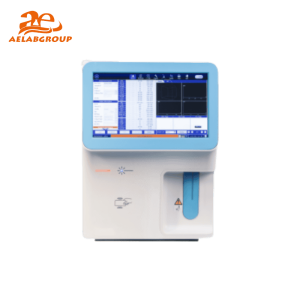 AELAB 5-Part Hematology Analyzer SK9800 – High-Precision CBC & DIFF AnalysisRead more
-
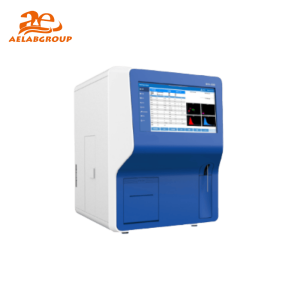 BHA-5000 Automatic Hematology Analyzer | 5-Part Differential, 60 Samples/HourRead more
-
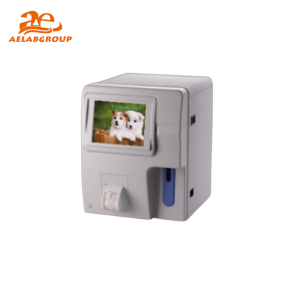 SK8800Vet Veterinary Full-Auto Hematology Analyzer | Multi-Species 3-Part WBC AnalyzerRead more
-
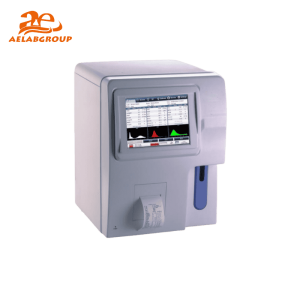 AELAB SK9600 Hematology Analyzer – 3-Part Differential Blood Cell CounterRead more
When you examine the range of available haematology analysers, the critical evaluation is not whether a machine is marketed as “veterinary” but whether its architecture was designed for multi‑species use from the start. Systems that originated as veterinary‑specific platforms tend to have more robust species algorithms and flexible gating, while adapted human machines often show their limits when pushed beyond canine and feline samples.
Your specific clinic profile will dictate which category gives you the safest clinical performance. AELAB’s veterinary haematology range, for example, includes options that span from compact, high‑value single‑species workhorses to 5‑part analysers built with exotic and equine coverage in mind. The key is to map the system’s demonstrated species performance—not its label—against the audit data you gathered earlier in the decision path.
Conclusion
Choosing a veterinary haematology analyser for a multi‑species clinic is not about finding the highest‑spec device on paper. It is about matching real species caseloads, sample volume realities, and clinical interpretation workflows to a system that reduces manual review time and increases diagnostic confidence. The clinics that get it right start from their own data, test candidates with their own challenging samples, and refuse to compromise on species‑specific validation.
Do this next: Pull your clinic’s CBC records from the past twelve months, sort them by species and volume, and write down the top three species where a wrong automated differential would most harm patient care. Take that data, and the workflow questions from this article, into your next analyser demonstration. If the system cannot perform on the samples you actually run, it is not the right system—regardless of its brand or price.
Frequently Asked Questions
Can I use a human haematology analyser for veterinary CBCs?
Most human analysers lack the species‑specific algorithms, cell sizing flexibility, and gating strategies needed for reliable multi‑species haematology. While some may offer limited dog and cat profiles, they often fail with equine platelets, avian nucleated RBCs, and exotic cell populations, leading to inaccurate differentials and increased manual review.
How do I know if an analyser truly handles exotic species?
Request validation data for the exotic species you see, not just a claim on the datasheet. Run your own samples from birds, reptiles, or small mammals during a demo and compare the automated differential to a manual count. If the analyser cannot correctly classify cells or flags every sample for review, its exotic capability is limited.
What is the minimum sample volume needed for a veterinary CBC?
This varies by instrument, but many modern veterinary‑specific analysers accept as little as 15–50 µL. For clinics treating small exotics, low aspiration volume is critical to avoid sample exhaustion and allow repeat testing. Always check the analyser’s dead volume and the volume required for a full CBC with differential.
Should I choose a 3‑part or 5‑part differential analyser for a mixed practice?
A 5‑part differential provides more granular white cell information, which is especially useful when working across species with different leukocyte patterns. However, if your caseload is predominantly dogs and cats and you are comfortable performing manual differentials on the few exotics you see, a well‑validated 3‑part instrument may be sufficient and more budget‑friendly.
How often should I run quality control on a veterinary haematology analyser?
At minimum, run commercial controls daily before patient testing and whenever you switch species profiles. Use control materials that are appropriate for veterinary use; human controls may not reflect performance on animal blood. Follow the manufacturer’s recommendations and document all QC results for traceability.
What support should I expect after purchasing a multi‑species analyser?
Beyond basic installation and service, look for application support from specialists who understand veterinary haematology. The supplier should help you set up species profiles, train staff on scattergram interpretation for different species, and provide remote troubleshooting when unusual results arise. AELAB and other dedicated veterinary instrumentation companies often provide such ongoing application assistance.