Overview
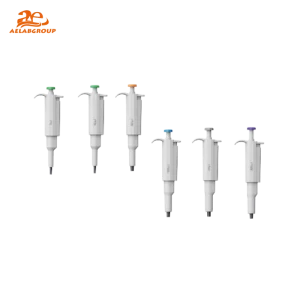
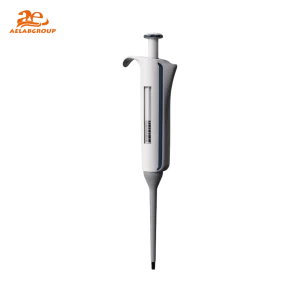
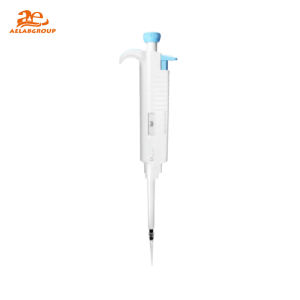
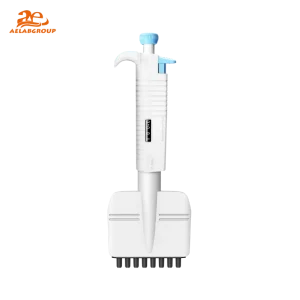
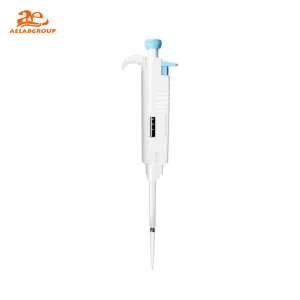
The new generation of fully autoclavable manual pipette is lightweight, precise, stable and durable. It adopts new pistion structure, metal screw structure, fluorine rubber compound sealing ring and other technologies to reduce the pipetting resistance. At the same time, it can withstand high temperature and high pressure sterilization, resist strong chemical corrosion, and have a long service life. In addition, volume lock helps achieve more precise pipetting operations.
A manual fully autoclave adjustable pipette is a versatile and durable laboratory tool designed for precise liquid handling. It features adjustable volume settings, allowing users to accurately measure and transfer different liquid volumes. Being fully autoclavable, it can be sterilized at high temperatures, ensuring contamination-free usage and longevity. This pipette is ideal for various applications, from molecular biology to clinical diagnostics, offering both accuracy and ease of maintenance. Its ergonomic design ensures user comfort during extended use, making it a reliable choice for any laboratory setting.
How It Works
The pipette combines a precision piston system with a fluorine rubber sealing ring to reduce pipetting resistance.
Advantages
- High Accuracy & Stability – Volume lock ensures reliable pipetting
- Fully Autoclavable – Sterilizable at high temperatures for contamination control
- Durable Materials – Resistant to wear, chemicals, and corrosion
- Ergonomic Design – Lightweight, comfortable, reduced hand fatigue
- Wide Range – Covers micro (0.1 µL) to macro (10,000 µL) pipetting needs
- Long Service Life – Robust piston and sealing technology for years of use
Recommended Models by Use Case
- Educational Labs – Low-volume ranges (0.1–10 µL, 2–20 µL) for training and basic research
- Research Centers – Mid-range (10–200 µL, 30–300 µL) for molecular biology and life sciences
- QC & Industrial Labs – High-capacity models (100–1000 µL, 500–5000 µL) for sample processing and analysis
- Clinical Diagnostics – Versatile ranges (20–200 µL, 100–1000 µL) for routine testing and assays
Ideal For
- Molecular biology and genetics labs
- Clinical and diagnostic laboratories
- Food testing and quality control
- Chemical analysis and pharmaceutical R&D
- Environmental and forensic laboratories
FAQ
Is the pipette fully autoclavable?
Yes. It can withstand high temperature and high pressure sterilization, which supports contamination-free use and a long service life.
What volume ranges are available?
The ranges are 0.1-2.5, 0.5-10, 2-20, 5-50, 10-100, 20-200, 30-300, 100-1000, 500-5000, and 1000-10000 µL, covering micro (0.1 µL) to macro (10,000 µL) pipetting.
What does the volume lock do?
The volume lock helps achieve more precise pipetting operations by keeping the set volume reliable.
How does the design reduce pipetting resistance?
It uses a new piston structure, a metal screw structure, and a fluorine rubber compound sealing ring to reduce pipetting resistance.
Which pipette range suits an educational lab?
Low-volume ranges such as 0.1-10 µL and 2-20 µL are recommended for training and basic research.
Which ranges suit molecular biology and research centers?
Mid-range models such as 10-200 µL and 30-300 µL are recommended for molecular biology and life sciences.
Which ranges suit QC, industrial and clinical labs?
QC and industrial labs use high-capacity models such as 100-1000 µL and 500-5000 µL. Clinical diagnostics uses versatile ranges such as 20-200 µL and 100-1000 µL.
Is the pipette resistant to chemicals and comfortable to use?
It resists strong chemical corrosion, and its lightweight ergonomic design reduces hand fatigue during extended use.