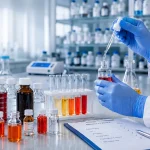
Pharmaceutical Stability Testing Laboratory Setup Overview
In the pharmaceutical and biopharmaceutical industry, product stability is a critical quality attribute directly linked to patient safety, drug efficacy, and regulatory compliance. Stability testing is a complex scientific program that evaluates how the quality of a drug substance or product varies over time under the influence of environmental factors such as temperature, humidity, and light. Establishing a dedicated pharmaceutical stability testing laboratory is essential for manufacturers to generate reliable data that supports shelf-life claims, storage conditions, and packaging decisions.
Quality control through stability studies is not a one-time test but a longitudinal process that requires precise environmental simulation, systematic sampling, and rigorous analytical testing. A well-designed laboratory setup ensures that all equipment, from stability chambers to analytical instruments, operates with accuracy and consistency. This guide provides technical insights for pharmaceutical manufacturers, QC managers, and R&D teams planning or upgrading their stability testing capabilities, covering the product categories, quality challenges, required tests, essential equipment, and practical selection criteria.
In practical terms, a pharmaceutical stability testing laboratory needs three connected capabilities: controlled storage for defined stability conditions, scheduled physical/chemical/microbiological testing, and traceable sample and environmental data. Core equipment typically includes stability chambers and monitoring systems, HPLC and other analytical instruments selected for the methods in use, physical dosage-form testers, and microbiology equipment where the product and protocol require it.
Main Products and Applications
Stability testing applies to a wide range of pharmaceutical products and substances. The main categories include:
- Solid oral dosage forms: Tablets, capsules, powders, and granules that require monitoring for physical integrity, dissolution behavior, and chemical potency.
- Liquid and semi-solid formulations: Solutions, suspensions, emulsions, creams, and ointments, where phase separation, microbial growth, and pH shifts are common stability concerns.
- Parenteral and injectable products: Sterile solutions, lyophilized powders, and biologics that demand stringent particulate, sterility, and aggregation analysis.
- Active pharmaceutical ingredients (APIs): Bulk drug substances evaluated for degradation pathways and polymorphic changes.
- Packaging materials and container-closure systems: Blister packs, vials, ampoules, and pre-filled syringes assessed for extractables, leachables, and barrier integrity.
Pharmaceutical Stability Testing Quality Control Workflow
Sample Preparation and Storage
The stability testing workflow begins with the preparation of representative samples from production batches. Samples are placed in stability chambers set to defined temperature and humidity conditions as per ICH guidelines (e.g., 25°C/60% RH, 30°C/65% RH, 40°C/75% RH). Incorrect chamber loading, inadequate air circulation, or improper sample labeling can lead to non-uniform exposure and compromised data integrity. Therefore, chambers must be qualified, mapped for temperature and humidity uniformity, and loaded to ensure proper airflow around each sample unit.
Environmental monitoring sensors and data loggers continuously record conditions, while defined alarm and excursion procedures help the laboratory identify and assess deviations. The impact of an excursion should be evaluated according to the study protocol and quality system rather than assumed from duration alone.
Recommended laboratory equipment for this stage:
- Stability Chambers – Provide controlled, constant temperature and humidity conditions; available in reach-in and walk-in sizes to accommodate study volumes.
- Data Loggers and Environmental Monitoring Systems – Record real-time temperature and humidity, with alarm notifications for deviations; essential for compliance.
- Sample Management Software – Tracks sample location, pull dates, and study timelines, reducing human error in record keeping.
- Laboratory Refrigerators and Freezers – For low-temperature storage conditions (e.g., 2-8°C, -20°C) required for certain biologics or temperature-sensitive products.
- Temperature Mapping Kits – Used for initial chamber qualification and periodic re-qualification to ensure uniform conditions.


Physical Stability Testing
At scheduled pull points, samples are removed and subjected to physical tests that assess the product’s visual appearance, mechanical integrity, and other attributes not directly related to chemical content. For tablets, this includes appearance (color, cracking), hardness, friability, and weight variation. Capsules are checked for brittleness and leakage. Liquid formulations are examined for clarity, viscosity, and phase separation. Any physical degradation can signal packing, transport, or storage issues that may affect patient acceptance or dosing accuracy.
Physical tests are often simple yet require careful standardization to ensure reproducibility. Equipment such as friability testers, hardness testers, and viscometers must be calibrated and suitable for the sample type. Results from physical stability testing guide decisions on formulation robustness and packaging design.
Recommended laboratory equipment for this stage:
- Analytical Balance – For precise weight determination of individual dosage units and loss on drying studies.
- Tablet Hardness Tester – Measures the crushing strength of tablets to monitor mechanical integrity over time.
- Friability Tester – Evaluates tablet resistance to abrasion and chipping during handling and transport.
- Disintegration Tester – Determines the time for a solid dosage form to break apart in a specified medium; a precursor to dissolution testing.
- Viscometer – Measures the viscosity of liquid and semi-solid formulations, which can indicate stability changes.


Chemical Stability Testing
Chemical stability is the cornerstone of a stability program, focusing on assay (active ingredient content), degradation products, and related substances. Over time, APIs can degrade due to hydrolysis, oxidation, or photolysis, leading to reduced potency and formation of potentially toxic impurities. Stability-indicating methods, often using HPLC or UPLC, are developed and validated to separate and quantify the API and its degradation products under stress conditions.
Other chemical tests include pH measurement for liquid products, water content by Karl Fischer titration (especially for hygroscopic drugs), and content uniformity. The chemical data is plotted over time to determine the shelf-life and to verify whether the product meets specifications throughout its intended storage period.
Recommended laboratory equipment for this stage:
- High-Performance Liquid Chromatograph (HPLC) – The primary tool for potency assay and impurity analysis; requires UV or PDA detectors for compound detection.
- Karl Fischer Titrator – Accurately measures water content in drug substances and products, critical for hydrolysis-prone compounds.
- pH Meter – Checks acidity/alkalinity of liquid formulations, as pH shifts can indicate chemical degradation.
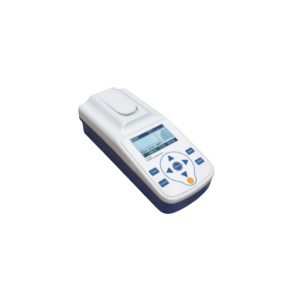
- Spectrophotometer (UV-Vis) – Used for content uniformity and dissolution analysis; can also support photostability testing.
- Gas Chromatograph (GC) – Analyzes volatile impurities, residual solvents, and extractables from packaging.




Microbiological Stability Testing
For non-sterile products, microbiological stability testing ensures that preservatives remain effective and that microbial contamination does not occur during storage. This involves total aerobic microbial count (TAMC), total yeast and mold count (TYMC), and tests for specified pathogens. For sterile products, sterility, bacterial endotoxin, or other microbiological tests may be included when required by the product specification, stability protocol, or applicable quality program. Container-closure failures can also create a risk of microbial ingress and loss of product protection.
Microbiological testing requires aseptic technique and controlled environments such as laminar flow hoods or biosafety cabinets. The tests are conducted at several time points to demonstrate that the product remains microbiologically safe throughout its shelf-life.
Recommended laboratory equipment for this stage:
- Laminar Flow Hood – Provides a controlled clean-air work area for suitable microbiological sample preparation and handling; the required environment should be defined by the laboratory procedure and application.
- Autoclave – Sterilizes microbiological media, glassware, and waste to prevent cross-contamination.
- Incubators – Maintain precise temperatures for microbial cultivation (e.g., 22.5°C for TYMC, 32.5°C for TAMC).
- Membrane Filtration System – Used for testing preservative efficacy and microbial limits in liquid products.
- Colony Counter – Facilitates accurate and rapid enumeration of microbial colonies on agar plates.


Photostability Testing
Photostability testing, per ICH Q1B, evaluates the susceptibility of a drug substance or product to light-induced degradation. Samples are exposed to a combination of cool white fluorescent and near-ultraviolet lamps, and then analyzed for physical and chemical changes. Many APIs are light-sensitive and can form photodegradation products that may be toxic or reduce efficacy. The need and scope of photostability work should be defined by the applicable development and registration program.
The test requires a photostability chamber capable of delivering controlled light doses in both the visible and UV-A ranges. After exposure, the same physical and chemical tests are performed, and results are compared with dark-control samples. Adequate packaging with light-resistant materials can then be designed based on these findings.
Recommended laboratory equipment for this stage:
- Photostability Chamber – Equipped with programmable light sources to deliver defined exposure levels (e.g., 1.2 million lux hours visible and 200 W·h/m² UV).
- Radiometer/Light Sensors – Monitor and verify the actual light dosage inside the chamber.
- UV-Vis Spectrophotometer – Analyzes changes in absorbance due to degradation; often used as a screening tool.
- HPLC System – Required for post-exposure chemical analysis to detect and quantify photodegradation products.
Container-Closure Integrity and Packaging Stability
The packaging of a pharmaceutical product plays a vital role in maintaining stability by acting as a barrier against moisture, oxygen, light, and microbial ingress. Container-closure integrity testing (CCIT) is performed to detect leaks or seal failures that could compromise sterility or hermeticity. Additionally, packaging materials such as blister films and bottles are evaluated for extractables and leachables—compounds that migrate from the packaging into the drug product, potentially causing toxicity or degradation.
Tests include dye ingress, vacuum decay, and high-voltage leak detection for vials and syringes, as well as moisture permeation testing for blister packages. Results from these tests inform the selection of appropriate packaging materials and help justify shelf-life extensions.
Recommended laboratory equipment for this stage:
- Leak Tester (Vacuum Decay or Pressure Decay) – Non-destructive method to detect pinhole leaks in sealed containers.
- High-Voltage Leak Detection System – Suitable for ampoules and small-volume parenterals to find micro-cracks.
- Moisture Permeation Analyzer – Measures the transmission rate of water vapor through packaging films.
- Headspace Gas Analyzer – Checks oxygen and carbon dioxide levels in sealed containers, critical for nitrogen-flushed products.
- Extraction Apparatus – For preparing packaging extracts for subsequent GC-MS or LC-MS analysis of leachables.


Common Quality Control Challenges in Pharmaceutical Stability Testing
Setting up and running a stability testing laboratory involves navigating several operational and regulatory hurdles. Common challenges include:
- Chamber performance variability: Inadequate temperature and humidity control can result in out-of-specification conditions that invalidate study results.
- Method validation failures: Stability-indicating methods must be robust enough to detect small changes in degradation products; otherwise, results may not be reliable for shelf-life determination.
- Sample management complexity: With thousands of samples at various time points and storage conditions, tracking and timely pull can become overwhelming without proper systems.
- Data integrity compliance: Regulatory agencies expect complete, accurate, and secure data; manual recording or uncontrolled systems increase the risk of data integrity violations.
- Cross-contamination risks: In labs handling multiple potent products, inadequate cleaning between tests can lead to false-positives or product mix-ups.
- Resource constraints: Smaller manufacturers may lack the capital for walk-in chambers or advanced analytical instruments, leading to compromised study scopes.
Key Quality Control Tests for Pharmaceutical Stability Testing
| Quality Challenge | Quality Control Test | Recommended Laboratory Equipment | Application |
|---|---|---|---|
| Loss of active ingredient potency | Assay by HPLC | HPLC System | Quantifies API over time to determine shelf-life |
| Formation of degradation products | Related substances testing | HPLC with gradient elution | Detects and quantifies impurities emerging during storage |
| Physical degradation of tablets | Friability and hardness testing | Friability tester, hardness tester | Assesses mechanical durability after storage |
| Moisture-induced hydrolysis | Water content determination | Karl Fischer Titrator | Monitors water uptake that accelerates degradation |
| Microbial spoilage | Total aerobic microbial count | Incubators, membrane filtration | Ensures preservative efficacy and absence of pathogens |
| Light sensitivity issues | Photostability testing | Photostability chamber | Identifies products requiring light-protective packaging |
| Container-closure integrity failure | Dye ingress or vacuum decay test | Leak tester | Verifies packaging seal to prevent contamination |
| pH shift in liquid formulations | pH measurement | pH Meter | Detects chemical decomposition or interaction with container |
Laboratory Equipment Required for Pharmaceutical Stability Testing Quality Control
Establishing a stability testing laboratory demands a strategic mix of environmental simulation, analytical chemistry, physical testing, and microbiological equipment. The centerpiece is the stability chamber—a controlled environment cabinet that maintains precise temperature and humidity over extended periods. Chambers range from small bench-top units for limited studies to large walk-in rooms for high-volume products. Complementing the chambers are data loggers and monitoring systems that provide a continuous, auditable record of storage conditions.
Analytical instruments form the second critical pillar. HPLC systems are indispensable for potency and impurity profiling, while Karl Fischer titrators address moisture concerns. Physical testing devices like dissolution apparatus, hardness testers, and friability testers evaluate the drug product’s structural integrity. For sterile and non-sterile products, microbiological equipment including laminar flow hoods, incubators, and autoclaves ensures that the product remains free from harmful microorganisms. Together, these instruments create a comprehensive testing ecosystem that supports every stage of the stability study, from initial sample storage to final data analysis.
| Testing Requirement | Laboratory Equipment | Why Manufacturers Need It |
|---|---|---|
| Controlled storage environments | Stability chambers | Simulate long-term, intermediate, and accelerated storage conditions per ICH guidelines. |
| Environmental monitoring | Data loggers, temperature mapping kits | Validate chamber performance and trigger alarms for excursions. |
| Chemical analysis | HPLC, GC, spectrophotometer | Measure API content, impurities, and dissolution behavior. |
| Moisture determination | Karl Fischer titrator, moisture analyzer | Detect water content that can hydrolyze drug substances. |
| Physical testing | Balance, hardness tester, friability tester, viscometer | Monitor tablet integrity, viscosity changes, and uniform dosage. |
| Microbiological safety | Laminar flow hood, autoclave, incubator | Prevent microbial contamination and validate preservative systems. |
| Light sensitivity screening | Photostability chamber | Evaluate photodegradation and determine appropriate packaging. |
| Packaging integrity | Leak tester, headspace gas analyzer | Ensure container-closure systems maintain product sterility and barrier properties. |
A well-equipped stability testing laboratory integrates these instruments into a coherent workflow. From the moment samples are placed in a validated chamber to the final analytical report, each piece of equipment plays a role in generating the reliable, reproducible data that regulators and patients depend on. Manufacturers that invest in the proper setup not only expedite product approvals but also build a foundation for ongoing quality excellence.
Basic Laboratory Setup for Pharmaceutical Stability Testing Manufacturers
The appropriate setup depends on dosage form, study conditions, analytical methods, microbiological scope, sample throughput, and whether specialized packaging or photostability work is performed in-house. A basic laboratory should cover the routine tests in its approved stability protocols; advanced instruments are justified when the product portfolio or analytical methods require capabilities beyond that routine scope.
| Laboratory Level | Recommended Equipment | Suitable For |
|---|---|---|
| Basic QC Laboratory | Stability chambers (benchtop), analytical balance, pH meter, dissolution tester, friability tester, basic HPLC, UV-Vis spectrophotometer, data loggers, laminar flow hood, incubator | Small generic manufacturers conducting standard ICH stability studies on solid oral dosage forms. |
| Advanced QC Laboratory | Walk-in stability chambers, automated HPLC with autosampler, Karl Fischer titrator, disintegration tester, viscometer, photostability chamber, colony counter, container-closure integrity tester, sample management software | Mid-size and contract manufacturers handling a mix of products including liquids, parenterals, and light-sensitive drugs. |
| Advanced Analysis Laboratory | All above plus UPLC/UHPLC, headspace GC, GC-MS, ICP-MS, lyophilizer for biologic stability, particle size analyzer, comprehensive LIMS, and walk-in cold storage rooms | Biopharma companies and large innovators with complex biologics, combination products, and rigorous extractables/leachables programs. |
How to Choose Laboratory Equipment for Pharmaceutical Stability Testing
| Selection Question | Why It Matters | Equipment Decision |
|---|---|---|
| Which storage conditions are in the stability protocol? | Determines the controlled environments and capacity that must be maintained for the study duration. | Stability chambers, refrigerators, freezers, monitoring systems, and mapping tools as applicable. |
| Which dosage forms and tests are performed? | Different products require different physical, chemical, and microbiological measurements. | Select only the analytical and physical testers needed for approved methods and specifications. |
| How many samples and pull points must be handled? | Throughput affects chamber capacity, analytical bottlenecks, staffing, and sample tracking. | Size chamber capacity and automation around expected study volume and scheduling needs. |
| Are specialized tests performed in-house? | Photostability, CCIT, advanced impurity work, and extractables/leachables can require dedicated systems and expertise. | Add specialized equipment only when the laboratory scope and methods justify it. |
| How will data and equipment status be controlled? | Long-duration studies depend on traceable environmental records, calibration, maintenance, and sample history. | Plan monitoring, data logging, sample management, qualification, calibration, and service support together. |
Selecting the right instruments for a stability testing laboratory requires a systematic evaluation of your product portfolio, regulatory obligations, and operational capacity. The choices made at the planning stage directly impact the quality, speed, and cost of stability programs. Here are the key considerations to guide your equipment procurement.
Define the Testing Scope
Start by cataloging the types of products you intend to test, the required storage conditions, and the analytical parameters specified in your stability protocols. Solid dosage forms will need chambers primarily, plus HPLC, dissolution, and physical testers; biologics demand additional cold storage, particle analysis, and sterility testing capabilities. Determine the measurement range, sensitivity, accuracy, and control requirements defined by your approved methods and stability protocols, because these requirements drive instrument selection. Also consider whether photostability testing or container-closure integrity testing will be performed in-house, as these activities require specialized equipment.
Evaluate Laboratory Workflow Requirements
Assess the volume of samples you will handle and the frequency of testing. High-throughput labs automating stability pull points benefit from autosamplers on HPLC and multiple chamber units to avoid bottlenecks. Operator skill level is another factor: simpler benchtop instruments with guided workflows may be optimal for less experienced staff, while advanced systems with full data integration suit sophisticated teams. Laboratory space and available utilities (power, exhaust, water) may limit chamber sizes or the feasibility of installing walk-in rooms. Plan for modular setups that can expand as your product pipeline grows.
Compare Long-Term Equipment Support
Beyond initial purchase price, evaluate the total cost of ownership. Consider calibration requirements: most instruments need periodic verification by certified technicians to maintain accuracy. Check the manufacturer’s service offerings, including preventive maintenance contracts, spare parts availability, and technical support responsiveness. Training is equally critical—ensure that the supplier provides comprehensive user training to minimize errors and downtime. Finally, assess the availability of consumables like columns, reagents, and microbiological media, as these recurring costs significantly affect operational budgets. Partnering with a knowledgeable supplier can simplify this process; AELAB, for example, helps manufacturers align their testing needs with suitable instrument configurations and provides ongoing support to keep laboratories running efficiently.
Who Needs Laboratory Testing Solutions for This Industry?
- Pharmaceutical manufacturers developing new drug products and filing for regulatory approvals.
- Contract research organizations (CROs) offering stability testing as a service to multiple clients.
- Generic drug companies requiring bioequivalence and stability data for ANDA submissions.
- Biopharmaceutical firms dealing with temperature-sensitive biologics, vaccines, and gene therapies.
- Quality control departments in established pharmaceutical plants responsible for routine stability monitoring of commercial batches.
Frequently Asked Questions
What are the ICH stability testing conditions for pharmaceutical products?
ICH Q1A(R2) describes commonly used long-term, intermediate, and accelerated stability conditions, with the applicable condition depending on the product, intended storage statement, and study design. The article examples include 25°C/60% RH, 30°C/65% RH, and 40°C/75% RH, while refrigerated and frozen products use different temperature conditions. Photostability is addressed separately in ICH Q1B. The final protocol should use the conditions applicable to the specific product and regulatory program.
How many stability chambers do I need for a typical pharmaceutical lab?
The number depends on your study volume and the range of storage conditions required. A basic lab might manage with one reach-in chamber per condition, while larger operations often install multiple chambers (or walk-in rooms) for redundancy and to segregate different products. Always plan for extra capacity to accommodate unexpected batches or extended studies.
What is the difference between a stability chamber and a standard incubator?
Stability chambers are designed for precise, long-term control of both temperature and humidity over a wide operating range, with homogenous conditions throughout the interior. They include robust monitoring and alarm systems to meet regulatory requirements. Standard incubators typically only control temperature and lack the uniform humidity control and data logging needed for formal stability studies.
How often should stability testing equipment be calibrated?
Calibration and qualification intervals should be defined by the laboratory quality system based on instrument criticality, usage, performance history, manufacturer guidance, and applicable procedures. Stability chambers also require documented qualification and mapping at intervals established by the site program. The laboratory should follow its approved SOPs rather than applying one universal interval to every instrument.
Conclusion
Setting up a pharmaceutical stability testing laboratory is a multifaceted undertaking that demands careful planning around environmental simulation, analytical instrumentation, and microbiological safety. By aligning the equipment with your specific product portfolio and regulatory obligations, manufacturers can generate robust stability data that underpins shelf-life claims and ensures patient safety. The right setup not only satisfies compliance but also streamlines workflows, reduces operational risks, and accelerates time to market.